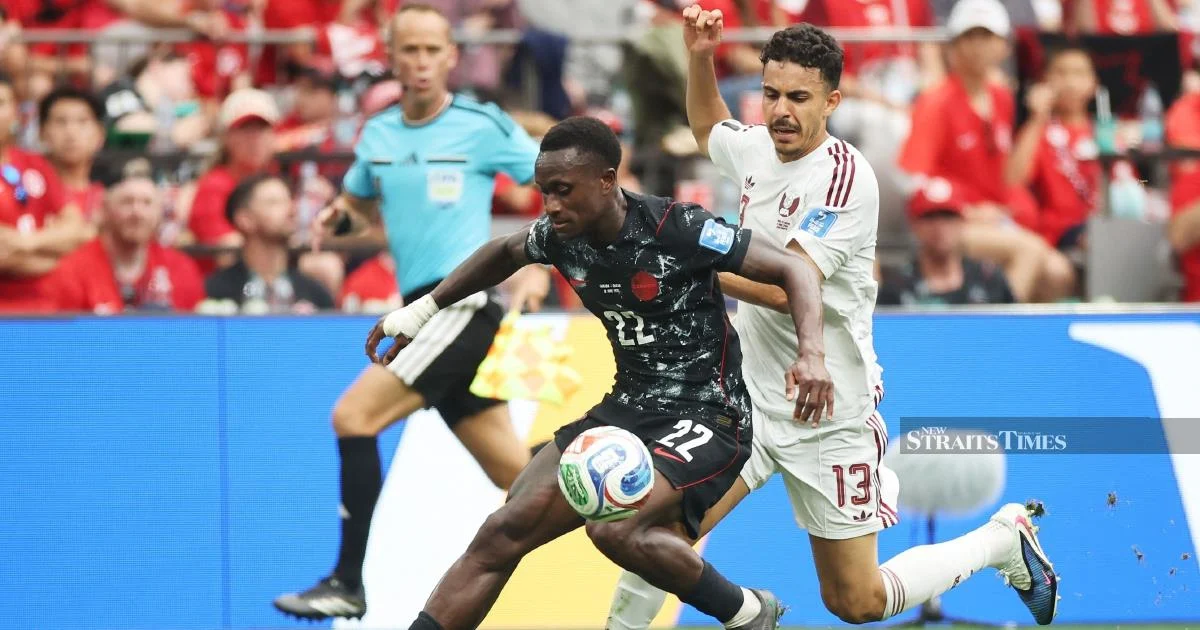
Qatar's catastrophic 6-0 defeat to Canada has become a cautionary tale for wealthy nations attempting to purchase their way into global football prominence. The lopsided scoreline exposed fundamental weaknesses that no amount of petrodollar investment could conceal, drawing sharp criticism from football observers who argue that the Gulf state's approach to developing a competitive squad fundamentally misunderstood how elite football programmes are built.
The thrashing represents more than a disappointing tournament result for Qatar, which was hosting the World Cup. It crystallised years of scepticism about whether the nation's vast financial resources—channelled into everything from lavish player contracts to state-of-the-art facilities—could substitute for the organic development of homegrown talent and the strategic patience required to build sustainable sporting excellence. Football experts have pointed out that successful international sides, regardless of wealth, rely on years of youth academy infrastructure, tactical cohesion, and experienced domestic leagues that develop players through genuine competitive crucibles rather than manufactured environments.
The depth of Qatar's collapse against Canada is particularly instructive for emerging football nations in Southeast Asia and the broader region considering their own investment strategies. While several countries in the area have increased football spending in recent years, Qatar's World Cup experience suggests that simply acquiring established foreign talent and constructing premium facilities cannot overnight transform a programme lacking deep roots and competitive culture. The Canadian victory demonstrated that tactical preparation, team cohesion, and genuine international experience often trump individual player quality when sides are misaligned strategically.
Qatar's trajectory reveals how financial advantages, when deployed without complementary long-term institutional development, can create mirage-like success that collapses under competitive pressure. The nation had invested billions into becoming a football superpower, offering extraordinary salaries to attract world-class players and constructing training complexes that rival anything in Europe. Yet these investments failed to produce the synergies necessary for consistent international performance, suggesting that money addresses only the surface symptoms of football underdevelopment rather than its underlying causes.
The structural problems that contributed to Qatar's debacle extend beyond individual player selection or coaching decisions. Observers note that the national league lacks the competitive intensity and quality necessary to properly condition international players, meaning squad members often arrive at World Cups without sufficient match sharpness despite regular club football elsewhere. This creates a paradox: players earning premium wages in the domestic league may actually regress through participating in lower-quality competitions that fail to challenge them systematically.
For Malaysia and other Southeast Asian football nations, Qatar's cautionary example carries particular relevance as regional federations consider where to direct limited resources. The implication is clear: rather than attempting to replicate Qatar's spending model, developing nations should prioritise long-term architectural improvements including youth academy systems, domestic league strengthening, and strategic coaching development that compounds over decades. These foundations, though less glamorous and requiring greater patience, produce the competitive depth that enabled Canada to dismantle a far wealthier opponent.
Qatar's World Cup participation itself was historically significant as the first time an Arab nation hosted the tournament, yet this symbolic achievement became overshadowed by on-field performance that betrayed the disconnect between financial investment and football reality. The Canadian team's efficient, organised approach proved devastatingly effective against an opponent that, despite individual talent, could not achieve tactical cohesion or demonstrate the psychological resilience that characterises tournament-winning sides.
The critic's assertion that "money can't buy success" in football has echoed throughout sports analysis circles for generations, yet Qatar's experience provides perhaps the most dramatic modern illustration of this principle. While wealthy nations like France, Spain, and Germany have achieved sustained success partly through financial advantages, these countries built their success atop generations of grassroots development and domestic competitive infrastructure. Their spending amplified already-existing advantages rather than creating them from scratch.
Looking forward, Qatar's World Cup experience will likely influence how other nations with significant capital approach football development. The lesson appears to be that financial investment must work in concert with institutional patience, domestic league development, and youth system cultivation rather than attempting to substitute for these elements entirely. Nations attempting accelerated football development pathways cannot simply import ready-made solutions—they must develop internal ecosystems capable of sustaining competitive excellence across multiple generations and tournament cycles.
The 6-0 defeat will remain a defining moment in Qatar's football history, not merely as an embarrassing result but as a transparent demonstration of the limitations inherent in believing that financial resources alone can overcome the structural impediments facing nations trying to establish themselves as football powers. For Southeast Asian football administrators carefully weighing investment decisions, Qatar's experience offers an invaluable lesson about where true sporting development begins and the fundamental importance of patient, systematic institutional building.