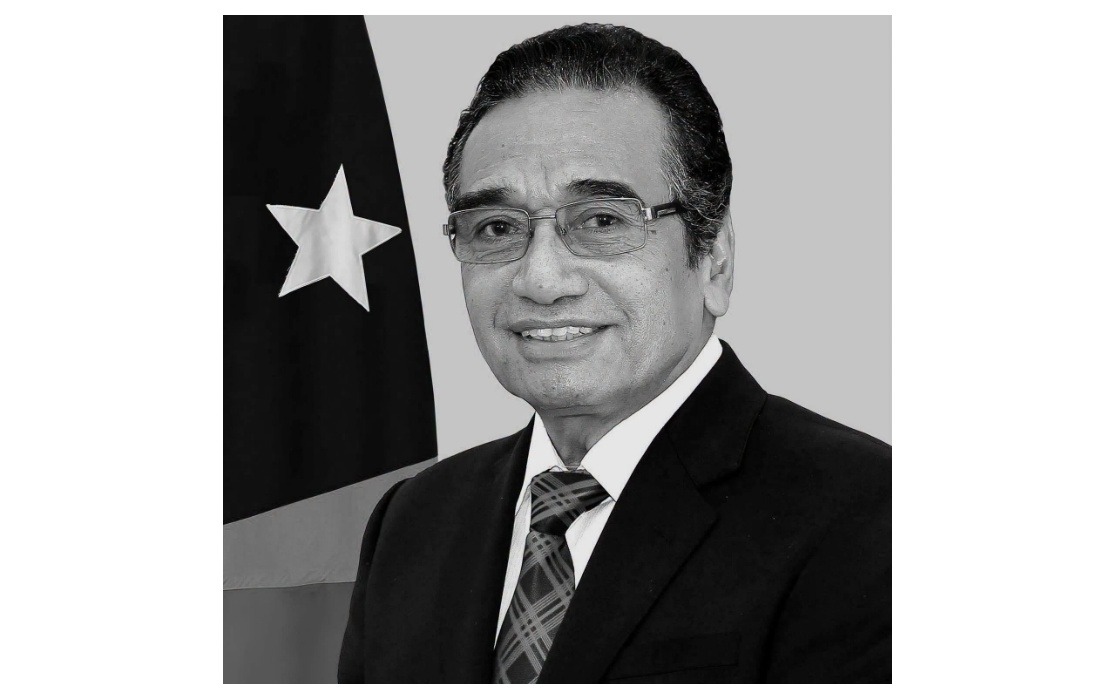
Prime Minister Datuk Seri Anwar Ibrahim has extended Malaysia's official condolences following the death of Francisco Guterres, the former president of Timor-Leste who passed away on June 21 at Prince Court Hospital in Kuala Lumpur. The 71-year-old leader, who governed Timor-Leste from 2017 to 2022, had been undergoing intensive medical treatment at the private medical facility before his death. Through a Facebook statement released on June 22, Anwar expressed the nation's grief and acknowledged Guterres' significant contributions to Southeast Asian history and his country's democratic development.
Guterres stood among the generation of Timorese leaders whose lives were defined by their struggle for national independence and self-determination. As a young activist, he became widely recognised by his nom de guerre Lú-Olo during his years in the resistance movement, a period that saw him endure considerable personal sacrifice in pursuit of his nation's freedom. His political trajectory reflected the determination of those who fought against external occupation, culminating in Timor-Leste's achievement of independence, an event that resonated across the broader Southeast Asian region as a pivotal moment in the struggle for self-governance.
Before assuming the presidency, Guterres held significant institutional roles that prepared him for national leadership. He served as President of the National Parliament, establishing himself as a key figure in building the young nation's democratic foundations and legislative structures. His eventual election to the highest office represented recognition of his decades-long commitment to his country's cause, validating the path he had taken from resistance fighter to senior statesman. During his five-year presidency, he worked to consolidate Timor-Leste's democratic institutions and international standing.
Anwar's public expression of mourning underscores the diplomatic ties and mutual respect that exist between Malaysia and Timor-Leste. The fact that Guterres was receiving treatment in Kuala Lumpur at the time of his death reflects the medical linkages between the two nations and the trust placed in Malaysian healthcare facilities by regional leaders. Such medical relationships, whilst not always highlighted in public discourse, constitute an important dimension of bilateral relations and demonstrate practical cooperation beyond formal diplomatic channels.
The passing of Guterres carries particular significance for Southeast Asia's broader historical narrative. As one of the final figures from the immediate post-independence generation of leadership, his death marks the gradual transition of regional politics to a new cohort of leaders. Timor-Leste's journey from occupation to independence represented a defining moment in late twentieth-century Asian history, and those who orchestrated this transition have become iconic figures whose legacies extend across national boundaries. Malaysia, having witnessed its own independence struggles and development trajectory, shares common historical reference points with Timor-Leste regarding nation-building and democratic consolidation.
Guterres' tenure as president coincided with Timor-Leste's ongoing efforts to establish itself as a stable, prosperous nation. During his five years in office, the country continued to develop its institutions, manage its natural resource wealth from the Timor Sea, and navigate complex regional relationships. His leadership contributed to the stabilisation of the young nation during a critical period of institutional maturation, challenges that resonate with development concerns relevant throughout Southeast Asia. The region has long recognised that newly independent nations require wise stewardship to overcome early obstacles and establish durable democratic practices.
Anwar's tribute emphasised that Malaysia would remember Guterres with respect and affection, sentiments reflecting the personal esteem in which regional leaders hold their counterparts who have demonstrated unwavering commitment to democratic principles and nation-building. The Prime Minister's statement positioned Guterres not merely as a historical figure but as someone whose contributions to building a democratic Timor-Leste remain directly relevant to contemporary Southeast Asian political discourse. This recognition acknowledges that independence alone does not complete a nation's development; the subsequent work of building functional, inclusive democratic institutions represents the enduring legacy of leaders like Guterres.
The timing and manner of Guterres' death in Malaysia's capital also reflects the interconnected nature of Southeast Asian leadership circles. Regional leaders frequently seek medical treatment in major regional centres, and the use of Malaysian healthcare facilities by prominent figures from neighbouring countries demonstrates the established networks of cooperation and trust that underpin ASEAN relations. Guterres' presence in Kuala Lumpur for medical care represented a quiet testimony to these bonds, even as he faced his final illness.
Looking forward, Guterres' passing will likely prompt reflection within Timor-Leste about historical transitions and leadership succession. As the nation continues developing its institutions and addressing contemporary challenges ranging from economic diversification to regional security concerns, the memory of those who secured independence and initiated democratic governance remains influential. Malaysia's formal acknowledgment of this loss through the Prime Minister's statement reinforces the shared values that bind Southeast Asian nations together, particularly the commitment to independence, democratic governance, and mutual respect among regional states.

%22%2F%3E%3C%2Fpattern%3E%3C%2Fdefs%3E%3Crect%20width%3D%22100%25%22%20height%3D%22100%25%22%20fill%3D%22url(%23ph1riqwg)%22%2F%3E%3Crect%20width%3D%22100%25%22%20height%3D%22100%25%22%20fill%3D%22url(%23ph1riqwp)%22%2F%3E%3Ctext%20x%3D%2250%25%22%20y%3D%2250%25%22%20text-anchor%3D%22middle%22%20dominant-baseline%3D%22central%22%20fill%3D%22rgba(255%2C255%2C255%2C0.95)%22%20font-family%3D%22Georgia%2C%20'Times%20New%20Roman'%2C%20serif%22%20font-weight%3D%22700%22%20font-size%3D%22320%22%20letter-spacing%3D%22-0.02em%22%3EMACC%3C%2Ftext%3E%3C%2Fsvg%3E)
%22%2F%3E%3C%2Fpattern%3E%3C%2Fdefs%3E%3Crect%20width%3D%22100%25%22%20height%3D%22100%25%22%20fill%3D%22url(%23ph3s8o3g)%22%2F%3E%3Crect%20width%3D%22100%25%22%20height%3D%22100%25%22%20fill%3D%22url(%23ph3s8o3p)%22%2F%3E%3Ctext%20x%3D%2250%25%22%20y%3D%2250%25%22%20text-anchor%3D%22middle%22%20dominant-baseline%3D%22central%22%20fill%3D%22rgba(255%2C255%2C255%2C0.95)%22%20font-family%3D%22Georgia%2C%20'Times%20New%20Roman'%2C%20serif%22%20font-weight%3D%22700%22%20font-size%3D%22170%22%20letter-spacing%3D%22-0.02em%22%3EMalaysia%3C%2Ftext%3E%3C%2Fsvg%3E)