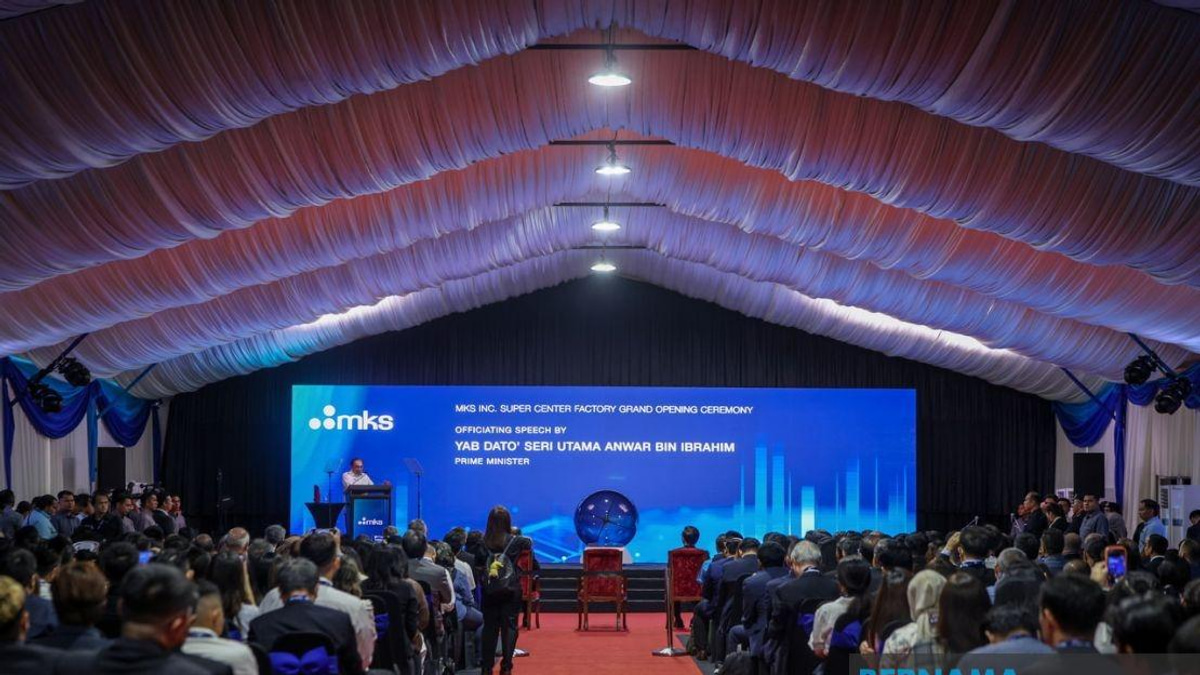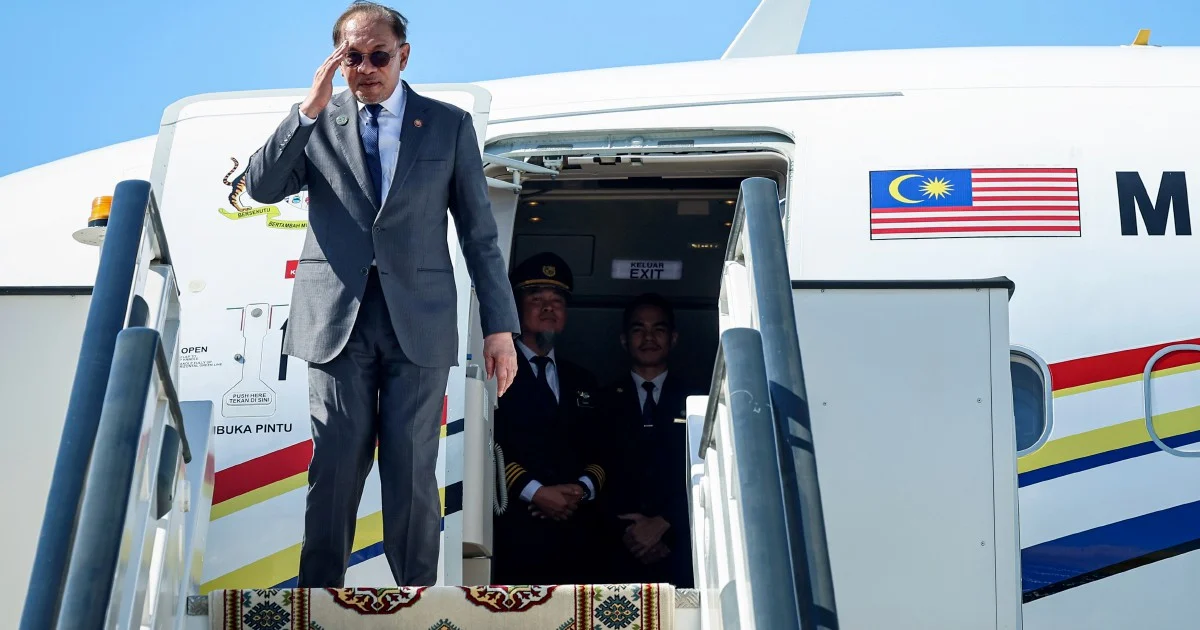
Prime Minister Datuk Seri Anwar Ibrahim touched down in Penang today, transitioning seamlessly from his official engagement in Turkmenistan to participate in the national celebration of journalism and spearhead investment initiatives in Malaysia's northern region. The move reflects the government's commitment to maintaining diplomatic momentum while simultaneously nurturing domestic media relations and economic development at the state level.
The National Journalists' Day 2026 grand finale, known locally as Hawana, represents one of the year's most significant gatherings for Malaysia's media fraternity. By gracing the event personally, the Prime Minister underscores the administration's recognition of journalism's role in democratic discourse and national development. Hawana serves as a platform for recognising outstanding contributions to the profession and fostering dialogue between media practitioners, policymakers, and civil society.
Anwar's immediate transition from Turkmenistan to Penang demonstrates the intensive nature of the Prime Minister's schedule and his administration's strategic approach to balancing international relations with domestic priorities. The Central Asian nation visit likely involved discussions on bilateral trade, cultural exchanges, and potential partnerships in energy and infrastructure—sectors where both nations have complementary interests. Turkmenistan's position along the ancient Silk Road and its significant natural resources make it a key player in expanding Malaysia's diplomatic and economic footprint beyond Southeast Asia.
Penang's selection as the destination for the Hawana grand finale carries symbolic weight. As Malaysia's second-largest urban economy and a historic centre of commerce and culture, the state has consistently positioned itself as a hub for innovation and investment. The event's location in the northern region sends a message about equitable development across the peninsula and acknowledges Penang's media industry contributions. The state hosts numerous news operations, digital media ventures, and broadcasting facilities that collectively shape national narrative and regional coverage.
The investment events accompanying the Prime Minister's visit are expected to showcase opportunities across various sectors, from manufacturing and technology to services and tourism. Penang's established industrial zones, educated workforce, and strategic geographical position—offering proximity to growing markets in Thailand and beyond—make it an attractive destination for both domestic and foreign investors. Government officials typically use such visits to launch new initiatives, announce incentives, or facilitate business-to-business networking among corporate leaders and potential investors.
Anwar's hands-on engagement in state-level activities reflects a broader governance philosophy centred on regional connectivity and inclusive economic growth. By personally attending events rather than delegating exclusively to cabinet members, the Prime Minister signals that his government takes provincial development seriously. This approach helps bridge the gap between federal policymaking and grassroots implementation, allowing the leadership to hear directly from journalists, entrepreneurs, and local stakeholders about challenges and opportunities.
The convergence of diplomatic travel, media engagement, and economic promotion on a single trip optimises the Prime Minister's time and conveys a holistic vision of governance. It demonstrates that diplomacy, press relations, and business development are interconnected pillars of national progress. International partnerships create the context for attracting foreign direct investment, while positive media coverage amplifies the message of stability and opportunity that investors seek.
For Malaysian journalists attending Hawana, the Prime Minister's presence provides a valuable opportunity for direct engagement with the nation's highest executive office. Media practitioners can pose questions about government policies, transparency initiatives, and the evolving relationship between government institutions and the fourth estate. Such interactions, when facilitated openly, strengthen democratic accountability and build institutional trust.
Penang's media community and broader civil society will likely use this occasion to raise issues specific to the state's development trajectory. From infrastructure bottlenecks to affordable housing concerns and environmental sustainability, the Hawana platform offers a moment of heightened political attention. Journalists and editors present can articulate regional narratives that might otherwise be overshadowed by Kuala Lumpur-centric coverage.
The timing of the visit also reflects Malaysia's positioning within Southeast Asia and beyond. As Malaysia seeks to deepen engagement with Central Asian nations and diversify its international partnerships, such high-level visits signal serious intent. Concurrent domestic engagement ensures that the benefits of expanded foreign relations—whether through trade deals, technology transfer, or cultural exchange—are understood and appreciated by local stakeholders and the public.
Anwar's itinerary demonstrates an understanding that modern governance requires simultaneous attention to multiple spheres. The Prime Minister must cultivate international relationships, engage with domestic institutions like the media, and foster economic growth. By executing these roles within a compressed timeline, he sends a message about government efficiency and purposeful leadership.
The Hawana 2026 grand finale in Penang thus becomes more than a celebration of journalistic excellence; it transforms into a statement about Malaysia's aspirations and its leader's commitment to balanced development. As the event unfolds and investment forums commence, observers will be watching not only for policy announcements but also for signals about the direction of Malaysia's economy and its place in the evolving Asian geopolitical landscape.
%22%2F%3E%3C%2Fpattern%3E%3C%2Fdefs%3E%3Crect%20width%3D%22100%25%22%20height%3D%22100%25%22%20fill%3D%22url(%23ph1hg20g)%22%2F%3E%3Crect%20width%3D%22100%25%22%20height%3D%22100%25%22%20fill%3D%22url(%23ph1hg20p)%22%2F%3E%3Ctext%20x%3D%2250%25%22%20y%3D%2250%25%22%20text-anchor%3D%22middle%22%20dominant-baseline%3D%22central%22%20fill%3D%22rgba(255%2C255%2C255%2C0.95)%22%20font-family%3D%22Georgia%2C%20'Times%20New%20Roman'%2C%20serif%22%20font-weight%3D%22700%22%20font-size%3D%22272%22%20letter-spacing%3D%22-0.02em%22%3EJamal%3C%2Ftext%3E%3C%2Fsvg%3E)