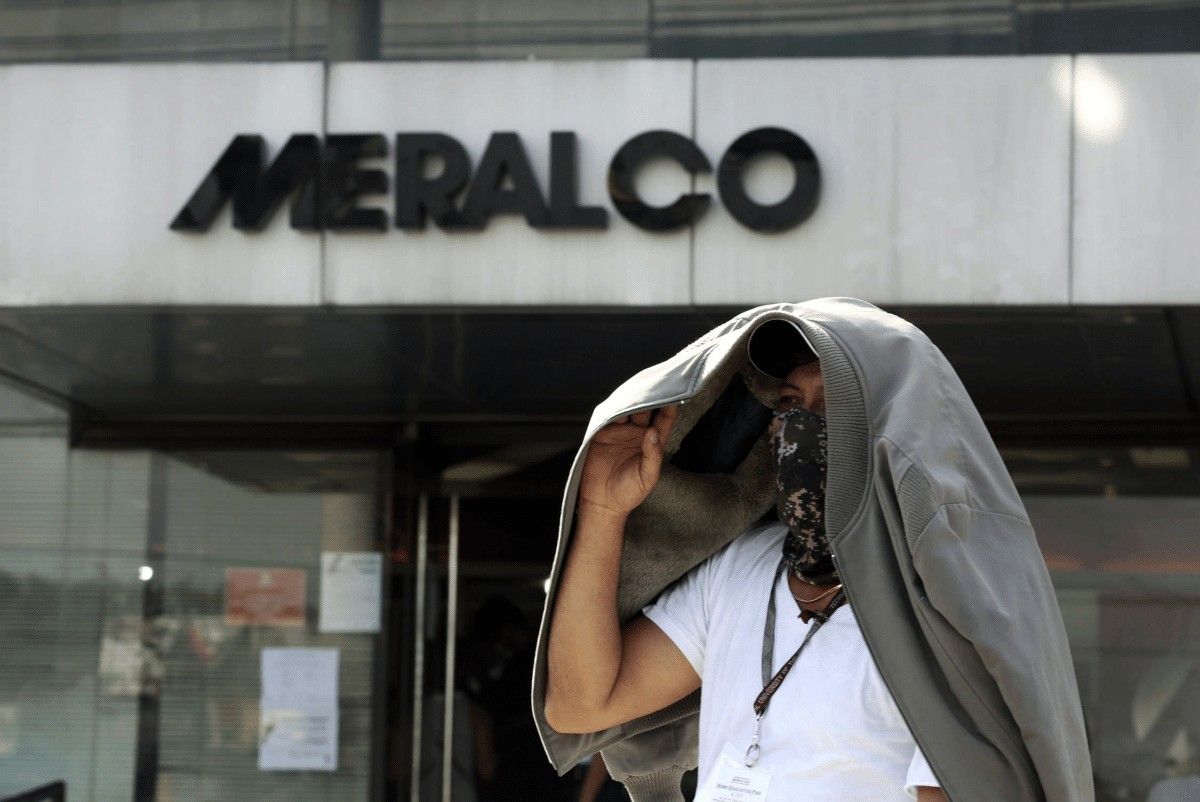
Manila Electric Company (Meralco), the Philippines' dominant power distributor, has been ordered by the country's energy regulator to return nearly ₱9.5 billion to its consumer base following a determination that the utility over-collected charges during a critical regulatory period. The Energy Regulatory Commission (ERC) issued the directive on July 31, establishing a framework through which the refund will flow back to households and businesses as a distinct entry on their monthly electricity bills over the coming half-year.
The mechanics of this refund stem from how Philippine utility regulation functions. When utilities like Meralco undergo rate-setting proceedings, they submit detailed projections of operational costs and capital investments, typically covering five-year cycles, to justify proposed tariff levels. However, gaps inevitably emerge between these regulatory periods. During such intervals—termed "lapsed periods"—consumers continue paying under the previous approved rate structure while the utility awaits new tariff determinations. The span from January through December 2025 constituted such a lapsed period for Meralco, during which the actual costs of service delivery diverged from the rates being charged.
According to ERC chair Francis Saturnino Juan, implementation of the refund mechanism will commence with the next billing cycle once the July 31 ruling enters the company's systems. Rather than issuing a single payment, which would strain both Meralco's cash flow and create administrative complexity, the refund will appear as a separate, identifiable line on consumer bills—allowing households to see exactly what they are recovering. This transparency measure serves broader regulatory objectives by demonstrating to the public that oversight mechanisms function and that utilities cannot indefinitely retain excess revenues.
The ₱9.5 billion quantum represents the cumulative over-recovery across Meralco's entire consumer base during the 2025 lapsed period, translating to approximately ₱0.3449 per kilowatt-hour (kWh) that will be credited backward. For a typical Metro Manila household consuming, say, 300 kWh monthly, this could translate to roughly ₱100 in monthly relief during the refund period—modest by global standards but meaningful in a developing economy context where electricity costs constitute a significant household expense percentage.
What distinguishes this ERC decision is the inclusion of interest calculations on the over-collected amounts. The regulator determined that because Meralco held onto funds it should not have retained during the lapsed period, applying interest charges to those sums represented a prudent allocation of the time-value cost to the utility rather than to consumers. This reflects a growing sophistication in Philippine regulatory thinking, acknowledging that delayed returns of consumer funds carry an implicit cost equivalent to the returns Meralco could have earned through alternative uses of that capital.
For Southeast Asian observers, the case illustrates tensions inherent in utility regulation across the region. Power distributors require stable, predictable returns to justify infrastructure investment, yet consumers demand protection from rate shock and over-charging. The Philippines' approach—utilizing structured rate reviews punctuated by lapsed periods during which older rates persist—creates inevitable mismatches. These gaps compress when inflation rises or input costs surge, as occurred with electricity generation costs during 2024-2025 globally.
Meralco's position as the nation's largest power distributor, serving millions in the National Capital Region and surrounding provinces, amplifies the cascading effects of such regulatory determinations. Even a ₱0.34 per-kWh adjustment, when multiplied across the utility's consumer base and extended over six months, reaches billions. The company's response to this refund mandate will signal its financial resilience and commitment to regulatory compliance, factors that influence investor confidence in Philippine utility stocks and the broader energy sector.
The timing of this refund also carries macroeconomic significance for the Philippines. With inflation concerns persisting and household budgets tightening, the ₱9.5 billion returning to consumer accounts represents a modest but genuine boost to disposable income across millions of households simultaneously. Unlike targeted cash transfer programmes, this refund reaches all Meralco consumers proportionally, creating a broad-based stimulus with immediate purchasing power implications.
Regulatory disputes over lapsed periods recur across Southeast Asia's power sectors, from Thailand to Vietnam, where utilities similarly await rate adjustments while costs fluctuate. The Philippines' approach—making the refund transparent, including interest, and requiring distribution within a defined timeline—establishes a procedural template that other regional regulators monitor. Should the implementation proceed smoothly, it reinforces ERC's institutional credibility and demonstrates that Philippine regulatory frameworks can balance utility viability with consumer protection effectively.
Looking ahead, the case underscores the importance of accelerating rate-review cycles to reduce lapsed period duration and volatility. Meralco and the ERC will likely examine whether quarterly or semi-annual adjustments, rather than multi-year intervals, could reduce the magnitude of future over- or under-recoveries. Such reforms would benefit both consumers and the utility by reducing regulatory uncertainty and preventing the accumulation of large refund obligations that occasionally trigger political friction.
The refund's implementation beginning in the next billing cycle means Meralco consumers should begin observing the ₱0.3449 per-kWh credit within weeks, provided administrative systems align properly. For the utility, distributing ₱9.5 billion over six months requires careful cash management and transparent accounting to ensure no administrative delays extend the timeline further. The ERC's decision thus becomes a test case for regulatory effectiveness in the Philippine power sector.

