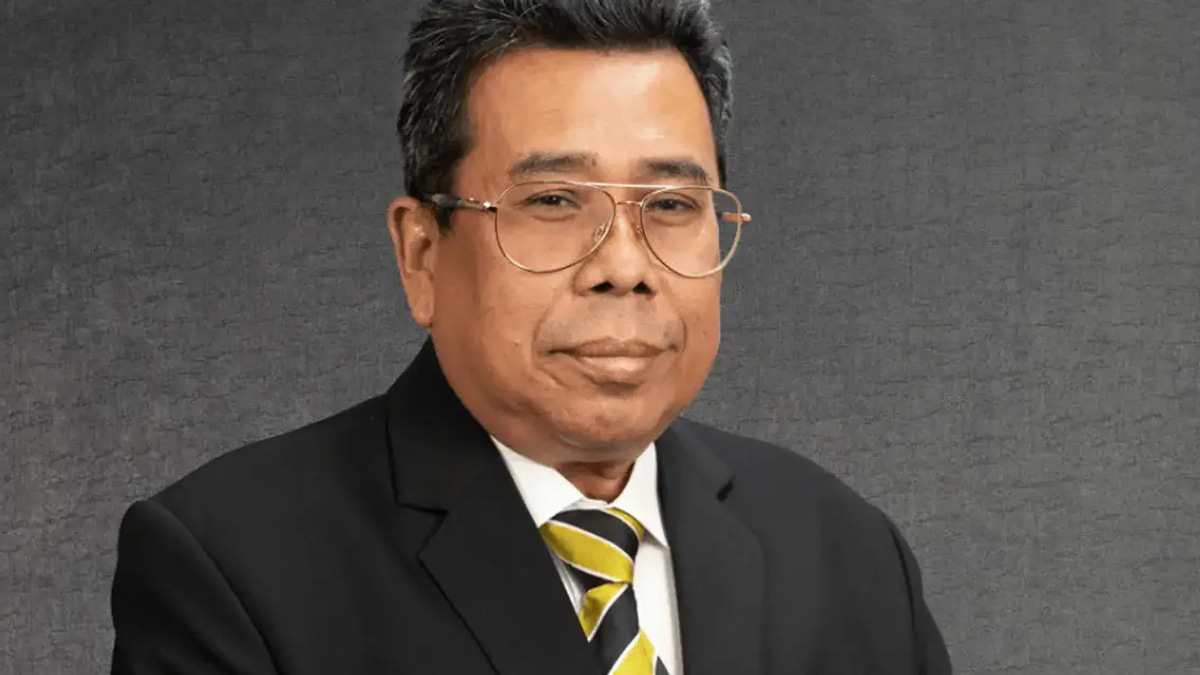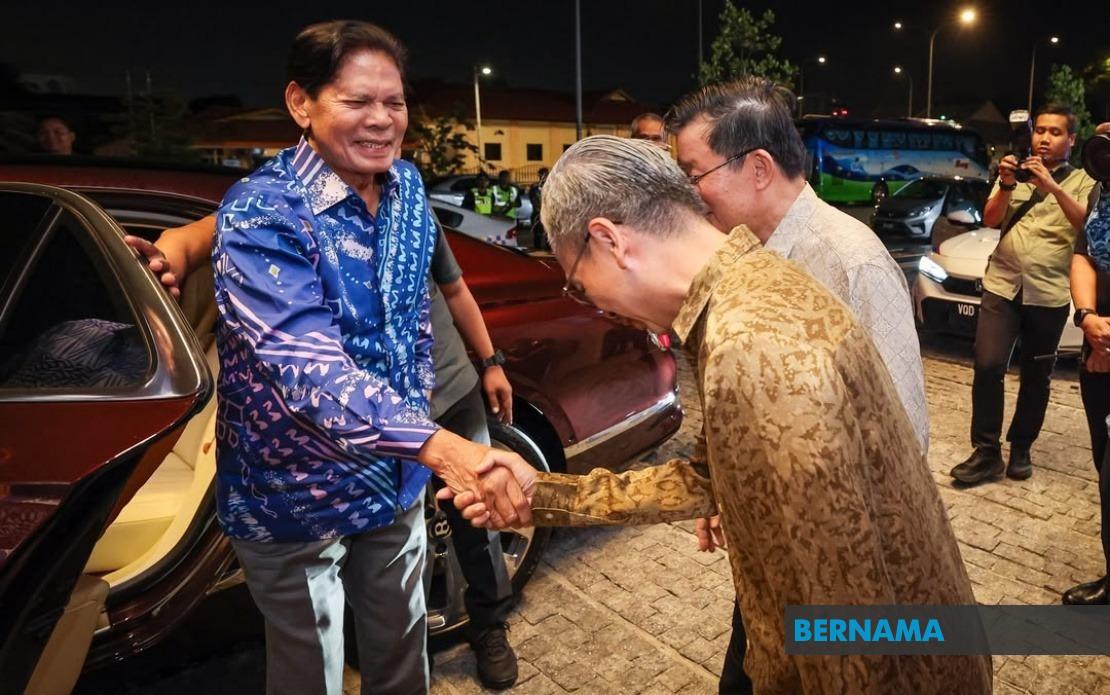
Penang Governor Tun Ramli Ngah Talib organised a prestigious dinner reception on June 19 in Butterworth to recognise the contributions of media professionals throughout Malaysia and the broader ASEAN region. The gathering, staged as a prelude to National Journalists' Day 2026 (known locally as HAWANA), drew approximately 350 distinguished guests spanning newsrooms, editorial leadership and communications executives from both domestic and international organisations. The occasion served as an opportunity to acknowledge the media's indispensable contribution to the country's ongoing development and the advancement of informed public discourse across Southeast Asia.
The atmosphere throughout the evening reflected the celebratory nature of the occasion, with prominent government officials, media executives and veteran journalists mingling to discuss the evolving media landscape in the region. Among the notable government figures present were Penang Chief Minister Chow Kon Yeow and Communications Minister Datuk Fahmi Fadzil, signalling the high-level political support for the media industry. The state administration's hosting of this pre-event dinner underscored Penang's commitment to nurturing professional journalism and strengthening communication networks within the state and across Southeast Asia.
Senior bureaucrats also attended, including Penang State Secretary Datuk Seri Zulkifli Long and Communications Ministry Secretary-General Datuk Abdul Halim Hamzah, whose presence reinforced the government's recognition of media's structural importance to national governance and public information dissemination. The inclusion of Timor-Leste's Secretary of State for Social Communication Expedito Loro Dias Ximenes highlighted the event's transnational significance and the growing cooperation between Malaysia and neighbouring countries on media and communications matters.
The dinner brought together leadership from Malaysia's most influential news organisations. Bernama, the national news agency, was well represented through Chairman Datuk Seri Wong Chun Wai and Chief Executive Officer Datin Paduka Nur-ul Afida Kamaludin. Editors-in-chief and senior content executives from major publishers including Media Prima's New Straits Times, Sin Chew Daily, The Star, Daily Express Sabah and Astro Awani all participated, demonstrating broad-based industry representation at the function. This gathering of senior newsroom figures reflected the significance of HAWANA as a platform where Malaysia's fractious media landscape—spanning Malay-language, Chinese-language, English-language and digital outlets—converges around shared professional principles.
International delegates underscored HAWANA's emergence as a significant regional institution for the journalism community. The presence of officials from Timor-Leste's national news agency TATOLI, representatives from Indonesian media networks and ANTARA News Bureau leadership demonstrated that the annual celebration has acquired traction beyond Malaysia's borders. This international participation reflects broader Southeast Asian recognition of the value of journalist networking and professional development initiatives, particularly as media across the region navigates challenges related to misinformation, digital transformation and the consolidation of news organisations.
The formal HAWANA 2026 main event was scheduled for the following day at the PICCA Convention Centre @ Butterworth Arena, where Prime Minister Datuk Seri Anwar Ibrahim was to deliver the opening address. The gathering was expected to attract approximately 1,000 media practitioners from Malaysia and several ASEAN nations, transforming Penang into a temporary hub for regional journalism discourse. This scale of participation illustrates the importance that professional media associations and government institutions across Southeast Asia place on annual forums dedicated to journalism standards and professional development.
The overarching theme for HAWANA 2026—'Media Integrity Strengthens Credibility'—speaks to contemporary concerns within the journalism profession regarding public trust in news organisations and the proliferation of unreliable information across digital platforms. This thematic focus is particularly relevant for Malaysia, where concerns about media polarisation and the challenge of maintaining editorial independence amid political pressures have occupied significant attention in recent years. By foregrounding integrity as the central concept, the organisers signalled an intention to address these systemic challenges facing the profession.
The Communications Ministry, partnering with Bernama as the implementing organisation, designed HAWANA 2026 to recognise the dedication and professionalism that Malaysian journalists bring to their work. The event structure—combining formal recognition with professional networking opportunities—reflects an understanding that journalism advancement requires both institutional acknowledgement and practical mechanisms for knowledge-sharing and relationship-building among practitioners. The ministry's engagement with the event demonstrates government awareness that media industry health is a matter of public importance rather than purely private commercial concern.
Concurrently with the formal journalists' celebration, organisers unveiled the RIUH Pi HAWANA Carnival, a three-day public festival scheduled to commence on the same evening at the convention centre. This populist component was designed to attract approximately 30,000 visitors to celebrate media and creative industries more broadly. The carnival brought together over 24 Malaysian creative product brands and 20 food and beverage vendors, positioning media and journalism within a wider cultural context that emphasises Malaysia's creative economy.
The entertainment programming for the carnival featured 16 stage performances showcasing Malaysian musicians and artists, including established acts such as Exists, Bunkface and Sakura Band alongside emerging performers. Free admission to the carnival was intended to maximise public access and engagement, reflecting an institutional commitment to demystifying journalism and media production for general audiences. This approach recognises that media literacy and public understanding of journalistic practice require opportunities for direct engagement beyond traditional newsroom settings.
The carnival also included interactive workshops providing visitors with practical exposure to creative industries and media-related activities, positioning journalism within Malaysia's broader creative economy narrative. As Malaysia continues to develop its creative industries as an economic driver and soft power resource, events like HAWANA serve the dual function of celebrating existing media achievements while nurturing future practitioners and digital-literate citizens. The combination of professional recognition for journalists and public-facing cultural programming illustrates how contemporary media anniversaries function as multivalent events serving industry, government and public constituencies simultaneously.
For Malaysian media practitioners, particularly those working across the multilingual, multiethnic newsrooms typical of the country's major publications, HAWANA 2026 provided a rare occasion to gather under a shared professional banner. The presence of international colleagues from across ASEAN added a regional dimension to what could otherwise remain a nationally-focused exercise. As digital platforms continue to reshape news production and consumption patterns, and as Malaysian media organisations grapple with the technical, financial and editorial challenges of the digital transition, forums like HAWANA that reinforce professional identity and regional solidarity assume increasing significance for industry cohesion and resilience.