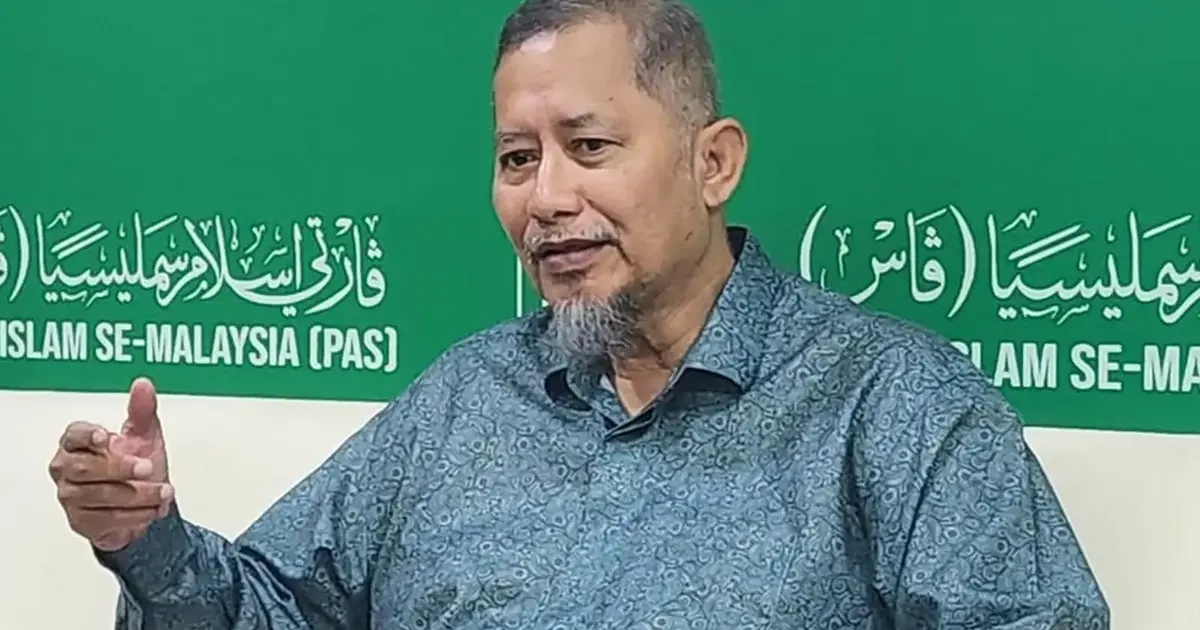
PAS treasurer Iskandar Abdul Samad has expressed confidence that his Islamic party would decisively outperform Bersatu in any direct electoral confrontation, signalling deepening tensions within the Perikatan Nasional coalition over seat allocation and electoral strategy. The assertion reflects growing apprehension among Malaysia's Islamic establishment parties about preserving political relevance as the coalition navigates post-election positioning and the allocation of parliamentary representation ahead of potential future electoral contests.
Iskandar's statement underscores a significant shift in the political dynamics within PN, which has historically maintained an uneasy alliance between its constituents. PAS, as Malaysia's largest Islamic party with deep grassroots networks spanning rural constituencies and urban Muslim enclaves, believes it commands substantially greater electoral machinery and community penetration than its coalition partner. The treasurer's confidence rests partly on the party's organisational infrastructure built over decades of political consolidation and its proven ability to mobilise voters across diverse geographic regions.
Bersatu, by contrast, emerged more recently as a splinter formation and lacks the entrenched organisational apparatus that PAS has cultivated. The party depends significantly on the political capital and personal networks of its leadership rather than institutional depth. Iskandar's remarks suggest PAS strategists view their coalition partner as more vulnerable to electoral erosion, particularly among traditional PN supporters who view Islamic parties as more ideologically aligned with the coalition's stated religious and conservative principles.
The treasurer's public confidence also reflects internal PAS calculations about voter behaviour and electoral mathematics. Party leadership appears convinced that should direct competition materialise, supporters currently aligned with PN would naturally gravitate toward the party with deeper Islamic credentials and superior organisational capacity. This assessment carries implications for how PAS may approach future negotiations over seat-sharing arrangements, potentially emboldening the party to demand larger allocations or premium constituencies.
The statement emerges amid broader recalibration of Malaysia's coalition politics following recent electoral cycles. PN has struggled to maintain unity as its member parties pursue sometimes divergent strategies and compete for influence within the alliance structure. PAS's assertion of electoral superiority over Bersatu reflects underlying anxieties about political survival and relevance in a crowded electoral landscape where multiple Islamic and conservative parties compete for overlapping voter bases.
For Malaysian readers and regional observers, such intra-coalition positioning signals that PN may face genuine structural challenges in maintaining cohesion if electoral mathematics force difficult seat negotiations in upcoming contests. The confidence PAS is publicly displaying about outperforming Bersatu suggests that party strategists have calculated they possess sufficient organisational advantages to survive or even benefit from coalition fragmentation, a calculation that could fundamentally alter Malaysian political alignments if electoral contests materialise.
Iskandar's remarks also carry implications for the broader opposition landscape. If PN becomes fractured by internal competition between PAS and Bersatu, it could reshape parliamentary configurations and coalition formations at both federal and state levels. The statement implicitly acknowledges that the current coalition structure, while formally intact, masks significant tensions about which parties represent the authentic voice of the PN constituency and possess genuine electoral legitimacy.
The treasurer's assertion reflects confidence, but it also suggests that PAS leadership recognises the need to strengthen its negotiating position within PN before seat allocations become fixed for future contests. By publicly staking claims to superior electoral viability, PAS is essentially signalling to coalition partners and potential voters that it merits preferential treatment in seat distribution and strategic positioning. This approach follows established patterns in Malaysian coalition politics, where parties use media positioning and public declarations to influence behind-the-scenes negotiations.
Looking forward, Iskandar's comments highlight how Malaysian coalition politics remain inherently unstable, with member parties maintaining contingency strategies in case formal alliances fracture. The statement serves multiple audiences simultaneously: reinforcing PAS grassroots supporters' conviction that their party remains dominant within the conservative-Islamic political spectrum, warning coalition partners about the potential costs of disadvantaging PAS in seat negotiations, and signalling to potential swing voters that PAS possesses superior electoral resilience compared to competitors.
For Malaysia's political ecosystem, such declarations represent a reminder that while coalitions provide structural stability, they simultaneously contain internal contradictions that can erupt into open competition if electoral incentives shift dramatically. PAS's confidence in outperforming Bersatu directly reflects calculations that despite current alliance arrangements, its party possesses sufficient structural advantages to survive, and potentially benefit from, political realignment scenarios.

%22%2F%3E%3C%2Fpattern%3E%3C%2Fdefs%3E%3Crect%20width%3D%22100%25%22%20height%3D%22100%25%22%20fill%3D%22url(%23ph21o2sg)%22%2F%3E%3Crect%20width%3D%22100%25%22%20height%3D%22100%25%22%20fill%3D%22url(%23ph21o2sp)%22%2F%3E%3Ctext%20x%3D%2250%25%22%20y%3D%2250%25%22%20text-anchor%3D%22middle%22%20dominant-baseline%3D%22central%22%20fill%3D%22rgba(255%2C255%2C255%2C0.95)%22%20font-family%3D%22Georgia%2C%20'Times%20New%20Roman'%2C%20serif%22%20font-weight%3D%22700%22%20font-size%3D%22170%22%20letter-spacing%3D%22-0.02em%22%3EGabungan%3C%2Ftext%3E%3C%2Fsvg%3E)