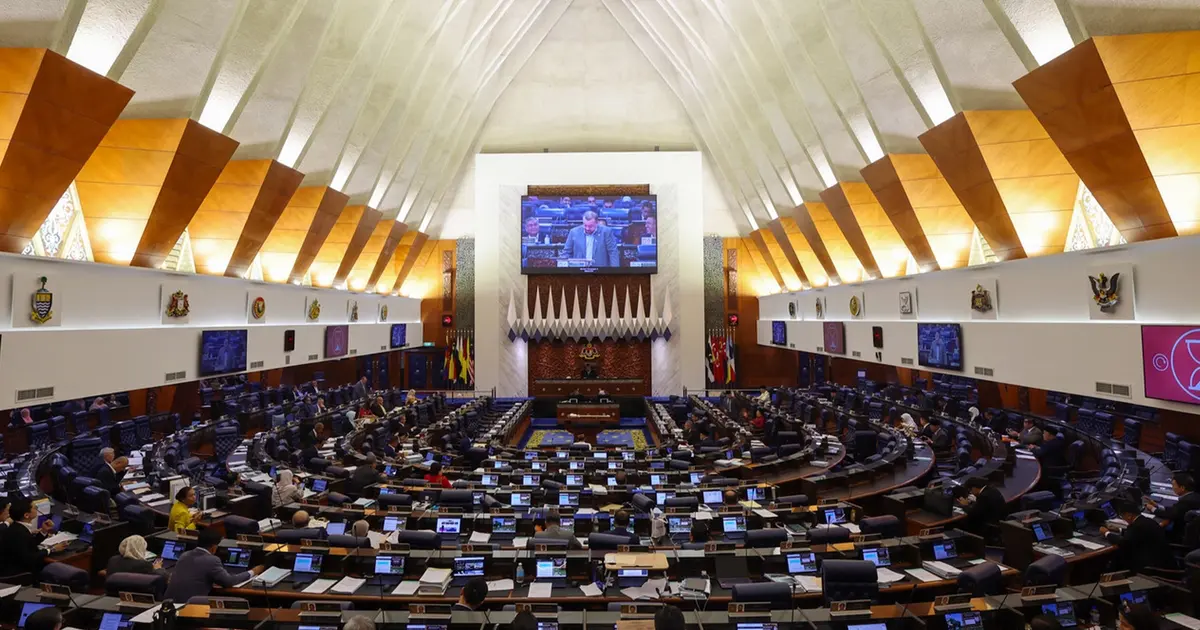
Malaysia's parliament is set to reconvene this week with a legislative agenda that includes another attempt to pass a constitutional amendment capping the prime minister's tenure at 10 years, a measure that remains at the centre of ongoing constitutional reform discussions. The proposal, which constitutes one of four significant bills scheduled for debate during the coming Dewan Rakyat sitting, represents a key element of constitutional governance reform that has gained traction across multiple political factions in recent parliamentary sessions.
The prime minister term limit measure is not new to the legislative chamber. During the previous parliamentary sitting, lawmakers tabled this bill with the express intention of amending the federal constitution to impose a decade-long ceiling on how long any single individual could serve in the nation's top executive position. However, the proposal encountered a significant procedural hurdle, failing to achieve the supermajority support required for constitutional amendments. Under Malaysia's constitutional framework, altering the supreme law demands a two-thirds majority vote in both houses of parliament, a threshold that proved insurmountable in the earlier attempt.
The reintroduction of this bill reflects persistent sentiment among parliamentarians that structured limits on executive tenure represent an important safeguard for democratic governance. Proponents of the measure argue that establishing a fixed term boundary would enhance institutional stability, prevent the concentration of executive power, and ensure regular opportunities for democratic renewal within the highest office. The 10-year ceiling proposed in this amendment would effectively limit a prime minister to two full five-year terms, a structure that mirrors constitutional arrangements in numerous other democracies and provides a clear constitutional endpoint to any individual's tenure.
The failure to secure a two-thirds majority during the previous sitting suggests that support for the measure, while significant, remains incomplete across the parliamentary spectrum. The challenge of achieving such a substantial supermajority means that even narrow coalitions within parliament cannot unilaterally drive constitutional changes, requiring instead a more broadly consensual approach to institutional reform. This dynamic underscores how constitutional amendments in Malaysia demand genuine cross-party agreement rather than simple partisan advantage.
For Malaysian readers and observers of the political landscape, the reappearance of this bill during the current sitting carries several implications. The renewed effort signals that this particular reform has maintained momentum despite its initial setback, suggesting that behind-the-scenes negotiations may have moved certain legislators toward supporting the measure. Additionally, the inclusion of this bill among only four major pieces of legislation for the week indicates that parliament views constitutional governance reform as a priority worthy of significant floor time and debate.
The broader context of constitutional reform in Malaysia has shifted considerably over recent years, with various proposals for strengthening institutional checks and balances gaining wider acceptance. Term limits for executive positions represent one dimension of this broader reform agenda, sitting alongside discussions about parliamentary oversight, judicial independence, and administrative transparency. The persistence in bringing forward this particular amendment suggests that cross-party consensus on at least some governance reforms may be building, even if consensus on the specific threshold of 10 years remains incomplete.
For Southeast Asia's largest democracy and one of its most constitutionally complex systems, the question of executive term limits carries significance beyond Malaysia's borders. Regional observers watch how Malaysia navigates constitutional reform, as the nation's federal structure and parliamentary traditions influence governance discussions across the region. An successful amendment establishing prime ministerial term limits would represent a notable development in regional constitutional practice and could potentially influence how other nations approach similar questions of executive tenure.
The three additional bills scheduled for debate during the sitting will shape the legislative priorities being pursued during this parliamentary session. The full agenda reflects parliament's workload and the government's legislative programme, providing insight into which policy areas lawmakers consider most urgent for the coming period. The concurrent advancement of the term limit bill alongside other significant legislation suggests a systematic approach to addressing multiple governance and policy questions during a single sitting.
As parliament prepares to reconvene, observers will watch carefully to determine whether the renewed push for the prime ministerial term limit amendment succeeds in persuading sufficient numbers of lawmakers to support constitutional change. The arithmetic of achieving a two-thirds majority remains challenging, but the reintroduction of the bill and its prominent placement among the week's major legislation suggests that proponents believe the political moment may offer better prospects than the previous attempt. The outcome will provide clarity on whether constitutional reform on executive tenure can achieve the broad parliamentary consensus that Malaysia's constitutional amendment process demands.

%22%2F%3E%3C%2Fpattern%3E%3C%2Fdefs%3E%3Crect%20width%3D%22100%25%22%20height%3D%22100%25%22%20fill%3D%22url(%23ph1hg20g)%22%2F%3E%3Crect%20width%3D%22100%25%22%20height%3D%22100%25%22%20fill%3D%22url(%23ph1hg20p)%22%2F%3E%3Ctext%20x%3D%2250%25%22%20y%3D%2250%25%22%20text-anchor%3D%22middle%22%20dominant-baseline%3D%22central%22%20fill%3D%22rgba(255%2C255%2C255%2C0.95)%22%20font-family%3D%22Georgia%2C%20'Times%20New%20Roman'%2C%20serif%22%20font-weight%3D%22700%22%20font-size%3D%22272%22%20letter-spacing%3D%22-0.02em%22%3EJamal%3C%2Ftext%3E%3C%2Fsvg%3E)