The leadership structure of parliament's opposition bloc has received formal validation from the Dewan Rakyat's presiding officer. Tan Sri Dr Johari Abdul, the Speaker, confirmed on June 21 that he had processed official documentation recognising Larut MP Datuk Seri Hamzah Zainudin in his capacity as opposition leader. This endorsement arrives at a significant moment for Malaysia's legislative proceedings, as it settles questions about parliamentary representation following recent political developments within the opposition coalition.
The upcoming parliamentary session, commencing June 22, will introduce a series of physical adjustments to how lawmakers are positioned within the chamber. These modifications reflect both formal procedural changes and requests from individual members seeking different accommodation within the legislature's physical layout. The alterations underscore how parliamentary dynamics extend beyond voting patterns and policy positions to include the practical question of where members sit during proceedings—a matter that carries symbolic weight in legislative tradition.
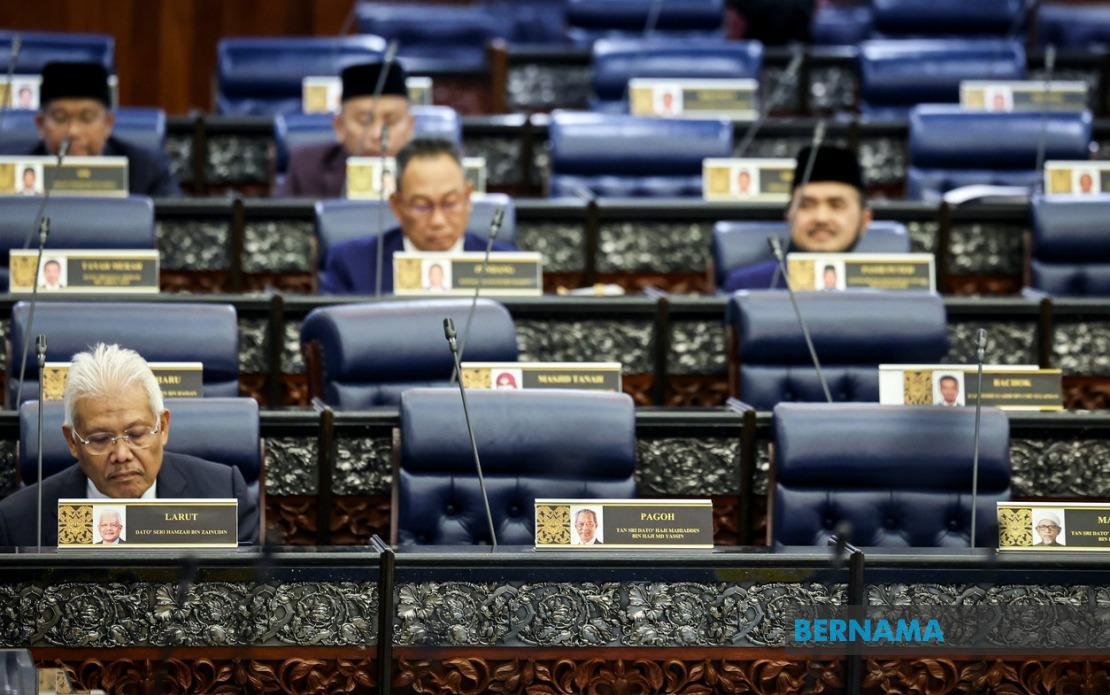
Among the most notable relocation is that affecting Pagoh MP and Bersatu president Tan Sri Muhyiddin Yassin. The former Prime Minister has been reassigned to Block E of the Dewan Rakyat, a change made at his personal request rather than through any mandatory reassignment. This shift represents a departure from his previous positioning and signals potential adjustments in how coalition members position themselves within the chamber. The Parliament website's updated seating chart, published on June 19, now reflects this new arrangement, providing members and observers with clear visibility of the chamber's reconfigured layout.
In contrast, the seating position occupied by Hamzah as opposition leader has remained fixed and unchanged from its previous location on the opposition front bench. This consistency demonstrates that his formal recognition carries continuity in terms of practical parliamentary positioning. Hamzah maintains his place alongside Kemaman MP and Perikatan Nasional chairman Datuk Seri Dr Ahmad Samsuri Mokhtar, maintaining the visual prominence that accompanies leadership of the opposition benches.
The confirmation of Hamzah's opposition leader status follows his recent endorsement by major opposition coalition figures. PAS president Tan Sri Abdul Hadi Awang publicly acknowledged Hamzah's return to this leadership role during the Reset Malaysia Convention, signalling broad acceptance across key opposition parties. This announcement represented a formal restoration of his position within opposition structures and resolved ambiguities surrounding the leadership configuration of the coalition opposing the government.
For Malaysian political observers, the formal recognition of opposition leadership carries implications extending far beyond seating arrangements. The opposition leader role carries responsibility for coordinating responses to government initiatives, leading questioning during parliamentary debates, and serving as the primary spokesperson for the combined opposition benches. Hamzah's confirmed position therefore establishes clear lines of authority within opposition ranks during what has proven to be an increasingly complex political environment marked by shifting coalition alignments.
The parliamentary calendar reflects the scope of legislative work ahead. The Second Meeting of the Fifth Session of the 15th Parliament extends from June 22 through July 16, providing several weeks for debate, legislation, and scrutiny of government policies. This extended sitting period will provide ample opportunity for the opposition under Hamzah's leadership to exercise its parliamentary functions and establish its policy priorities before the Malaysian public. The precise positioning of opposition members within the chamber will shape how effectively this collective scrutiny can be exercised.
Muhyiddin's relocation to Block E represents a broader context worth examining. As a former Prime Minister and current head of Bersatu, his seating preferences carry weight beyond the merely practical. The decision to accommodate his request for repositioning suggests either that his working arrangements in the current coalition environment benefit from different visibility or positioning within the chamber, or that internal coalition considerations prompted the change. Block E's positioning within the parliament building's layout will influence his interaction patterns with other government coalition members and his visibility to observers and media covering parliamentary proceedings.
The procedural formality demonstrated by the Speaker's confirmation reflects Malaysia's parliamentary tradition of maintaining clear institutional structures and proper documentation of leadership arrangements. In a legislature where coalition politics have become increasingly fluid, such official recognition provides clarity for parliamentary operations. Members, parliamentary staff, and the public all benefit from explicit confirmation of who holds what formal positions and how the chamber will be physically organised to reflect these arrangements.
For Southeast Asian observers interested in comparative parliament studies, Malaysia's handling of opposition leadership recognition and seating demonstrates how different democratic systems manage the practical and symbolic dimensions of legislative opposition. The willingness to formally acknowledge opposition leadership while simultaneously accommodating individual member requests for seating adjustments reflects a negotiated approach to parliamentary management. This balance between formal structure and practical accommodation continues to characterise the Malaysian legislature's approach to managing its diverse and complex political composition.