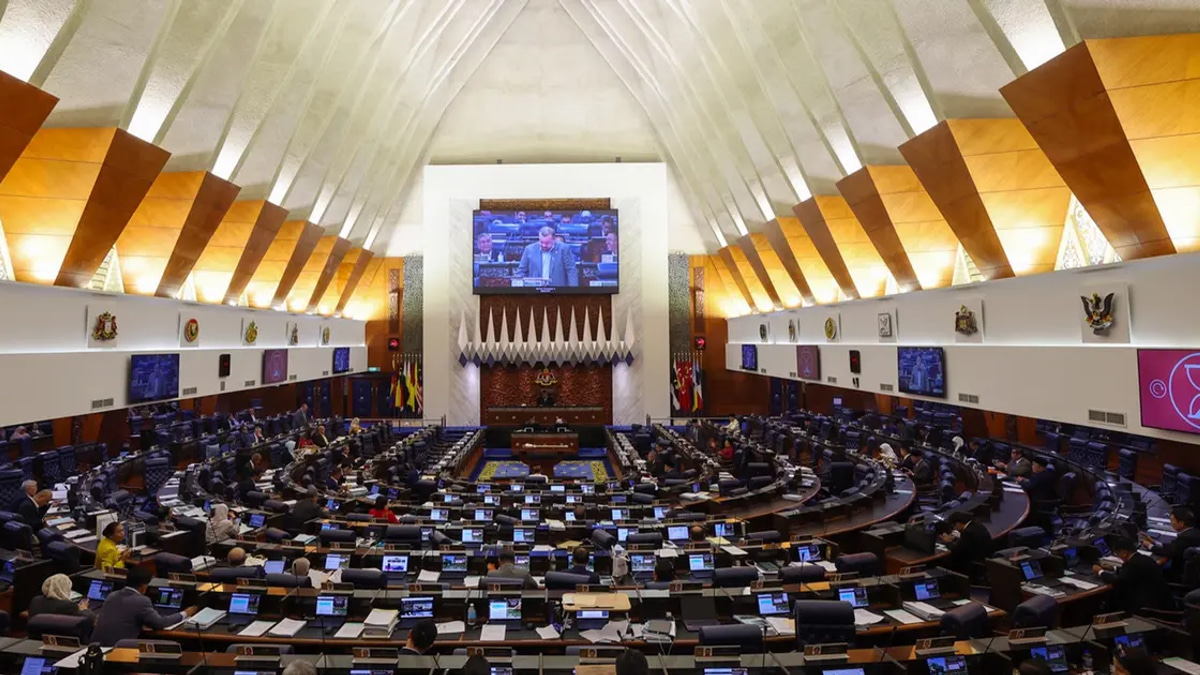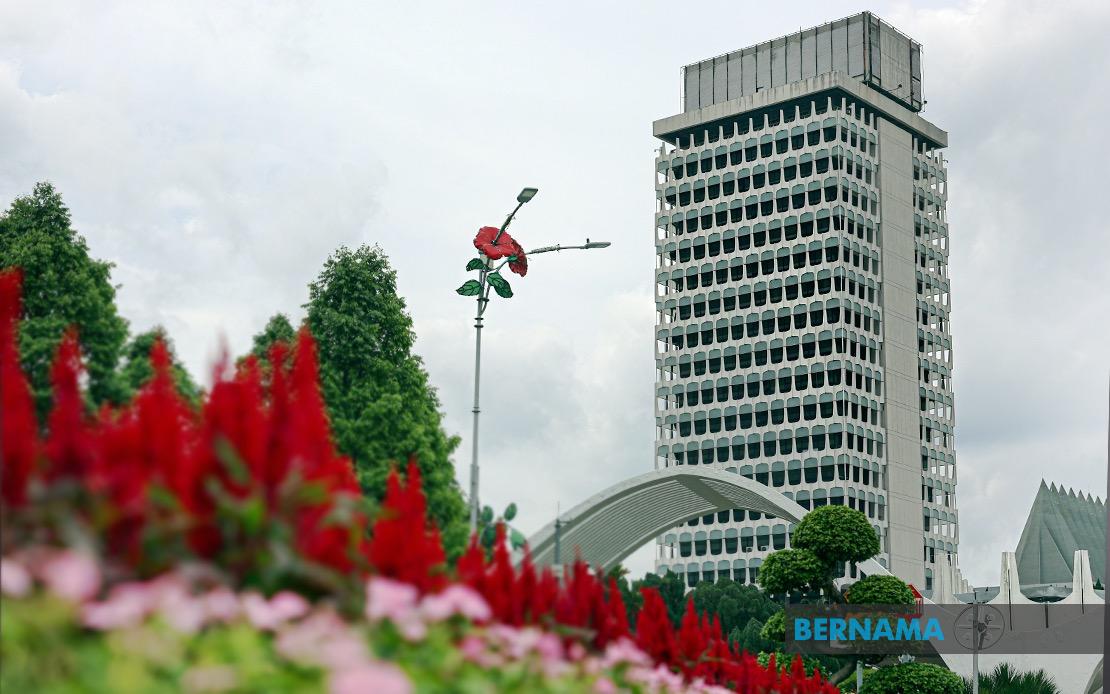
The Dewan Rakyat embarks on its second meeting of the fifth session on Monday, marking the resumption of parliamentary work at a critical juncture for Malaysia's legislative agenda. The 16-day sitting, which extends through July 16, will revisit two substantial constitutional reform measures that failed to secure sufficient support in their previous incarnation, signalling renewed government determination to advance institutional changes despite their earlier setbacks.
Foremost among the bills returning to the floor is the Constitution (Amendment) Bill 2026, which seeks to impose a decade-long ceiling on prime ministerial tenure. This measure represents a significant intervention in Malaysia's constitutional framework, addressing long-standing concerns about executive power concentration. The bill previously fell short of the two-thirds majority required for constitutional amendment in the Dewan Rakyat, a substantial hurdle that indicates considerable parliamentary division on the matter. Its reintroduction suggests the government has garnered additional support or recalibrated its strategy to navigate the stringent approval threshold that constitutional changes demand in Malaysia's legislature.
Equally significant is the reappearance of the Constitution (Amendment) Bill (No. 2) 2026, which proposes to unbundle the traditionally combined offices of Attorney General and Public Prosecutor. This institutional separation would fundamentally alter the structure of Malaysia's legal apparatus, with potential ramifications for the independence and accountability of prosecutorial decisions. Rather than returning directly to the full Dewan Rakyat, this bill has been referred to the Parliamentary Special Select Committee for deeper examination, allowing for more granular scrutiny before a renewed floor debate. The committee pathway suggests parliamentary leadership recognised the measure's complexity and the value of specialized review in building broader consensus for such a structural change.
Transport Minister Anthony Loke has highlighted the importance of the Road Transport Act 1987 (Amendment) Bill, which will be tabled on the session's opening day and debated thereafter. The proposed amendments span 11 distinct areas encompassing 42 clauses, collectively designed to combat the persistent menace of illegal street racing that continues to claim lives and destabilise Malaysia's roads. Loke has emphasised that the reforms target syndicates engaged in organised illegal racing—known colloquially as "tonto" operations—while simultaneously strengthening the regulatory and enforcement machinery available to authorities pursuing road safety compliance. For Malaysian motorists and commuters, these amendments signal official acknowledgement that current legal frameworks inadequately address the sophisticated coordination underlying illegal racing networks.
The cybercrime legislation also features prominently on the parliamentary agenda, reflecting growing government attention to digital-era criminal challenges. As Malaysia deepens its digital economy aspirations and citizens conduct increasing shares of commercial and personal activity online, legislative frameworks governing cybercriminal conduct have assumed elevated urgency. The Cybercrime Bill 2026 will face parliamentary scrutiny against a backdrop of rising concerns over digital fraud, data breaches, and online harassment affecting Malaysian residents and businesses.
Beyond the formally scheduled bills, the sitting's broader context includes discussion of Malaysia's vulnerability to global energy supply disruptions stemming from the West Asian conflict. This geopolitical dimension carries direct relevance to Malaysian consumers and industries, as energy security and fuel costs ripple across the economy. Parliamentary engagement with these transnational challenges reflects the Dewan Rakyat's expanding purview beyond domestic legislation into strategic positioning within volatile international conditions. The energy discussion underscores Malaysia's exposure to external shocks despite its substantial domestic energy resources, a reminder of economic interdependencies that shape policy priorities.
Dewan Rakyat Speaker Tan Sri Johari Abdul has issued an unusually explicit reminder to all MPs regarding their fundamental duties as representatives and their obligation to conduct parliamentary business through disciplined, mature debate respecting the Standing Orders. Johari's intervention, while couched in procedural language, implicitly addresses rising concerns about parliamentary decorum and the instrumentalisation of legislative proceedings for partisan advantage. His emphasis on fact-based, data-driven debate unburdened by "sentiment or polemics" suggests concern that recent sessions have drifted from substantive policy engagement toward rhetorical grandstanding.
The speaker pointedly stressed that both government and opposition MPs must prioritise issues of genuine public concern—cost of living, education, healthcare, employment, and community welfare—rather than exploiting parliamentary platforms for external political purposes. This admonition gains particular weight given that the Johor State Election proceeds concurrently with the Dewan Rakyat sitting, creating obvious temptations for MPs to dilute their parliamentary focus in favour of state-level campaigning. Johari's insistence that parliamentary attendance and substantive participation constitute non-negotiable responsibilities represents an attempt to preserve the chamber's institutional integrity despite competing political pressures.
The speaker's broader philosophical statement regarding the Dewan Rakyat's position as Malaysia's "highest legislative institution" reflects concern that parliamentary proceedings have occasionally become subordinated to electoral or factional considerations. By reiterating that laws, policies, and national interest questions represent the chamber's core function, Johari attempted to recalibrate MPs' focus toward their primary accountability: serving constituent interests through quality legislative work rather than theatrical performance or partisan scoring. His appeal to MPs' understanding of the "responsibility and trust placed upon them by the people" frames parliamentary attendance and engagement not as burdensome obligation but as the foundational reciprocal contract underlying representative democracy.
The concurrence of the Dewan Rakyat sitting with Johor State Election voting creates genuine logistical and attentional challenges for MPs representing that state. Johari's reminder that such MPs cannot permit electoral involvement to undermine their national parliamentary responsibilities acknowledges this tension while refusing to accept its normalisation. This strict stance reflects institutional concern that parallel political contests should not compromise the legislative chamber's functioning, a principle gaining urgency as Malaysian electoral cycles increasingly cluster across multiple government levels.
Following the Dewan Rakyat's conclusion on July 16, the Dewan Negara will commence its own sitting from July 20 through August 4, extending the parliamentary session into a dual-chamber format. The upper house's engagement with bills passed by the lower chamber will provide a further review point for the constitutional amendments and other significant legislation, though the Dewan Negara's role as a revisionary body means its amendments require lower house agreement. This sequential process, while deliberative, extends the timeline for legislative finalisation and underscores Malaysia's comparatively drawn-out constitutional amendment procedures relative to single-chamber systems.
For Malaysian observers and stakeholders, this parliamentary session represents a crucial moment in several unresolved institutional debates. The prime ministerial term limit, in particular, has occupied political discourse for years, with advocates arguing it would prevent executive entrenchment whilst opponents contend it unnecessarily constrains democratic choice. The bill's reappearance suggests the government retains commitment to this institutional reform despite its previous parliamentary defeat, though the continued difficulty in securing supermajority support indicates persistent substantive disagreement rather than mere procedural obstruction. Similarly, the Attorney General separation proposal, if enacted, would meaningfully reshape Malaysia's legal accountability structures, warranting the Parliamentary Special Select Committee's deeper examination. These constitutional initiatives, combined with practical road safety and cybercrime legislation, frame a parliament grappling with institutional modernisation whilst addressing contemporary challenges to public safety and security.