Health authorities in Pahang have launched a formal investigation into allegations that multiple visitors experienced severe illness following recreational activities at a river destination close to Bentong, in what marks a growing concern over water safety and sanitation at popular recreational sites across the state.
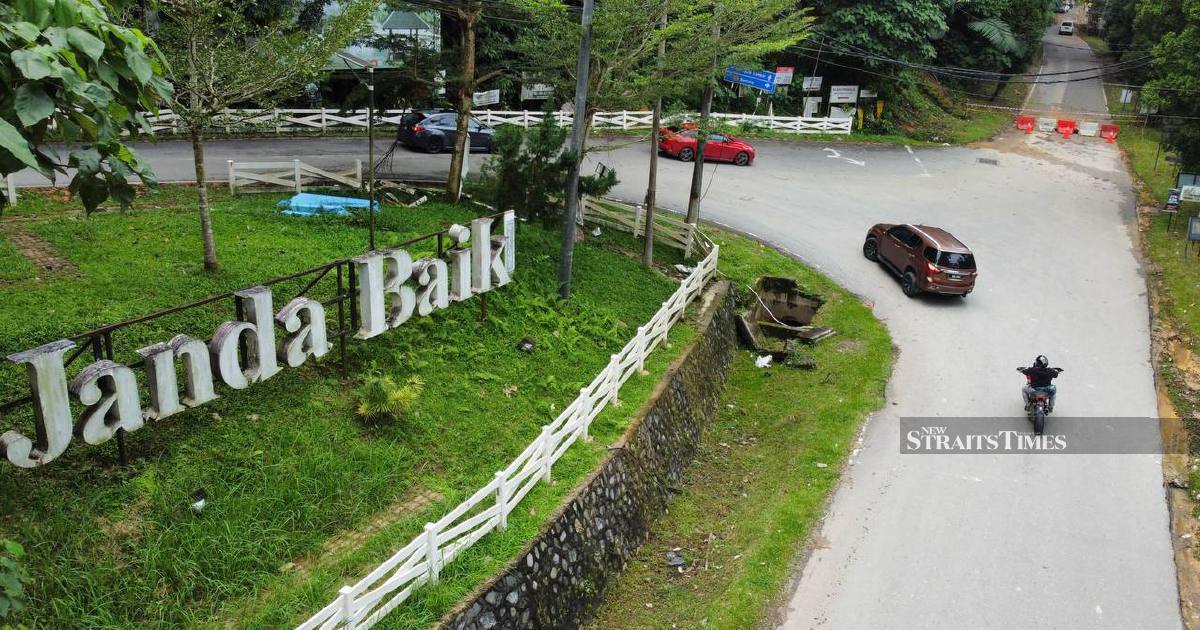
The incident, which occurred at a well-known leisure area near Janda Baik, has prompted the Pahang Health Department to examine whether the illnesses were connected to contamination in the bathing water or consumption of food sold at the location. Janda Baik, situated between Bentong and Genting Highlands, attracts families and tourists throughout the year seeking cooler highland air and river activities, making the location economically significant for the local community but equally important from a public health perspective.
Initial reports suggest that visitors began experiencing gastrointestinal symptoms shortly after entering the river, leading to suspicions of waterborne pathogens or unsafe food handling practices at nearby vendors. The clustering of cases at a single location within a compressed timeframe is typical of foodborne illness outbreaks, though the dual nature of the exposure—involving both water contact and food consumption—complicates the investigative process considerably.
Waterborne illnesses in Malaysia's highland recreational areas have periodically emerged as public health challenges, particularly during monsoon seasons when runoff from surrounding areas can compromise water quality. River systems fed by agricultural and residential upstream sources face contamination risks from various sources, including inadequate septic systems, agricultural chemical runoff, and improper waste disposal practices common in developing areas surrounding tourist destinations.
The Pahang Health Department's investigation will likely focus on collecting water samples from the affected area to test for bacterial pathogens such as Escherichia coli, Salmonella, and other gastrointestinal organisms. Additionally, investigators will interview affected individuals to establish a comprehensive timeline of illness onset and identify potential common exposures, a methodology essential for distinguishing between primary water contamination and secondary food poisoning sources.
Vendors operating at such recreational sites frequently lack adequate refrigeration, food handling certifications, and sanitation infrastructure, creating ideal conditions for bacterial proliferation in foods susceptible to temperature abuse. The proximity of food preparation areas to bathing locations and inadequate handwashing facilities compounds these risks, particularly during peak visitor periods when sanitation standards may become compromised under operational pressure.
For Malaysian visitors planning trips to highland recreational areas, the incident underscores the importance of verifying food vendor credentials and exercising caution when consuming ready-to-eat items at informal outdoor establishments. Similarly, individuals with compromised immune systems, young children, and elderly people face elevated risks from waterborne pathogens and should avoid open river swimming when water quality is uncertain.
The investigation's findings will carry implications beyond Bentong, potentially influencing how Pahang and neighbouring states manage water quality monitoring and vendor regulation at popular recreational destinations. If contamination is confirmed, authorities will likely implement enhanced surveillance and enforcement measures, including more frequent water testing, mandatory vendor training programmes, and infrastructure improvements for sanitation facilities.
Regional collaboration between state health departments may become necessary if evidence suggests cross-border patterns of contamination or if visitors from other states experienced related illnesses. The National Blue Flag programme, which establishes water quality standards for recreational beaches and rivers, could potentially be expanded to include inland river systems if current incidents reveal systemic gaps in monitoring protocols.
The Pahang Health Department's timely response demonstrates official commitment to protecting public health; however, the underlying issue reflects broader challenges in balancing tourism development with infrastructure investment in remote recreational areas. Sustained funding for water quality monitoring equipment, laboratory capacity, and trained personnel remains essential for preventing recurrence of such incidents.
Businesses operating in Janda Baik and similar destinations should recognise that food safety and water quality assurance represent competitive advantages in an increasingly health-conscious market. Visitor confidence, crucial for sustainable tourism development, depends on transparent communication about safety measures and prompt official responses to health concerns.
As the investigation progresses, health authorities should communicate preliminary findings publicly to manage anxieties among potential visitors without prematurely reaching conclusions. The outcome will inform policy decisions affecting not only Pahang but also other Malaysian states managing similar recreational pressures on natural water systems, particularly as domestic tourism continues expanding post-pandemic.

%22%2F%3E%3C%2Fpattern%3E%3C%2Fdefs%3E%3Crect%20width%3D%22100%25%22%20height%3D%22100%25%22%20fill%3D%22url(%23ph21o2sg)%22%2F%3E%3Crect%20width%3D%22100%25%22%20height%3D%22100%25%22%20fill%3D%22url(%23ph21o2sp)%22%2F%3E%3Ctext%20x%3D%2250%25%22%20y%3D%2250%25%22%20text-anchor%3D%22middle%22%20dominant-baseline%3D%22central%22%20fill%3D%22rgba(255%2C255%2C255%2C0.95)%22%20font-family%3D%22Georgia%2C%20'Times%20New%20Roman'%2C%20serif%22%20font-weight%3D%22700%22%20font-size%3D%22170%22%20letter-spacing%3D%22-0.02em%22%3EGabungan%3C%2Ftext%3E%3C%2Fsvg%3E)