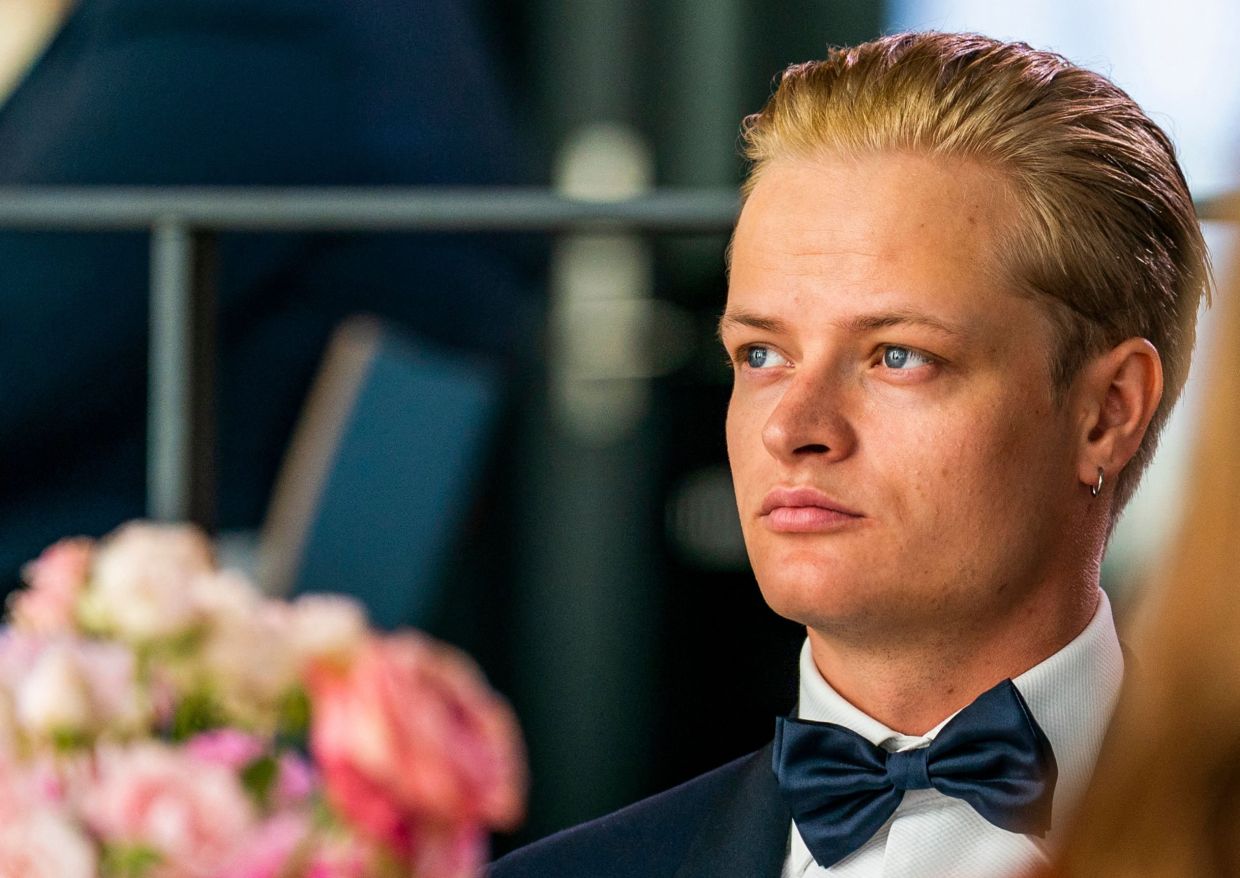
The eldest son of Norway's Crown Princess Mette-Marit faces a four-year prison term following his conviction on two rape counts in a verdict delivered Monday by Oslo District Court. Marius Borg Høiby, 29, was found guilty of sexually assaulting two women who were unable to resist, whilst being cleared of two additional rape allegations. Beyond the rape convictions, he was also found culpable for assault and abuse within intimate relationships, with the court mandating compensation payments to his victims.
The case involved a sweeping criminal indictment encompassing 40 separate charges, though the rape allegations formed the centrepiece of the trial. Between 2018 and 2024, Høiby allegedly attacked four women whilst they were asleep or otherwise incapacitated. The additional charges included assault, drug-related offences, and breaches of restraining orders. Though Høiby contested the rape allegations vigorously, he acknowledged guilt on numerous lesser charges, a strategic position that influenced the court's eventual sentencing decision.
The sentencing outcome represents a compromise between competing prosecution and defence arguments. Prosecutors had sought a lengthy seven-year and seven-month custodial sentence, believing the gravity of the offences warranted substantial imprisonment. Defence lawyers, conversely, argued for complete acquittal on rape charges and suggested a maximum of 18 months for offences their client had conceded. The court's four-year determination, whilst more lenient than prosecution demands, still reflects serious judicial censure of the convicted offences.
The verdict is not conclusive. Høiby retains the option to appeal the court's decision, potentially extending legal proceedings that have already captured sustained international media attention. His legal team may pursue additional challenges through Norway's appeals process, introducing further uncertainty into the outcome. The defendant himself was unable to attend Monday's proceedings due to undisclosed health concerns, instead observing the verdict announcement via video connection from detention.
The trial's conclusion in March followed six weeks of intensive courtroom proceedings featuring testimony from multiple accusers and substantial documentary evidence. Prosecutors presented messages, photographs, and video recordings extracted from Høiby's mobile telephone, providing detailed material to support their allegations. This multimedia evidence proved particularly significant in establishing patterns of behaviour and corroborating witness accounts. The exhaustive presentation of evidence contributed to the court's assessment of guilt on certain charges whilst rejecting others.
Highly unusual for trials involving relatively unknown defendants, this case has generated exceptional international media scrutiny principally because of Høiby's familial connection to Norway's royal lineage. Whilst he holds no royal title and performs no official state functions, his position as the Crown Princess's son from a pre-marital relationship fundamentally altered the trial's public profile. Following Mette-Marit's subsequent marriage to Crown Prince Haakon, the heir to Norway's throne, Høiby was integrated into the royal household, establishing him as part of the extended royal circle despite his lack of formal royal status.
Recent developments have intensified public fascination with the case. The Crown Princess's deteriorating health status has assumed particular prominence, as she battles pulmonary fibrosis whilst awaiting lung transplantation. Her medical condition became entangled with legal proceedings as her legal representatives sought temporary custodial release for Høiby pending the verdict, seeking compassionate grounds given the princess's serious illness. Norwegian appeals courts rejected these pleas, determining that Høiby should remain detained whilst awaiting judicial determination.
The trial has unfolded within a broader context of heightened scrutiny affecting the Norwegian royal family. Recent public disclosures revealed that Crown Princess Mette-Marit maintained prior contact with Jeffrey Epstein, the deceased American financier convicted of sexual crimes. These revelations created additional reputational pressure on the royal institution during the sensitive period of her son's trial proceedings. The Crown Princess subsequently issued a public statement acknowledging poor judgment in maintaining the association, whilst emphasising her lack of involvement in any wrongdoing.
For Malaysian and Southeast Asian observers, this case illuminates broader questions concerning accountability within elite circles and the tension between family prominence and judicial process. Norway's transparent legal proceedings, where even the offspring of senior royals face rigorous prosecution and conviction, contrast sharply with perceptions of selective justice in some regional jurisdictions. The case demonstrates how modern democracies increasingly subject even highly connected individuals to equivalent legal scrutiny as ordinary citizens, a principle that may carry significance as governance standards evolve across the region.
The conviction also reflects evolving international standards regarding sexual violence. The determination to prosecute cases involving victims unable to consent, even when involving persons from prominent backgrounds, represents judicial commitment to protecting vulnerable individuals. Such procedural commitment, evident in Norway's methodical investigation and prosecution, provides instructive comparison for jurisdictions strengthening their own approaches to sexual assault cases.
Oslo District Court's sentencing determination will influence broader perceptions of royal accountability within the Nordic region. The court's refusal to accept either prosecution's extended sentence recommendation or defence arguments for acquittal demonstrates judicial independence from external pressure, including the obvious sympathies arising from the defendant's royal connection and his mother's serious health conditions. This balance between severity and proportionality may establish instructive precedent for future high-profile cases involving connected individuals.
The case also underscores the challenges confronting royal families navigating contemporary expectations regarding transparency and accountability. Crown Princess Mette-Marit's organisation and cooperation with legal authorities, rather than attempting to shield her son from prosecution through institutional leverage, reflects modernised royal principles. However, the concentration of media attention and international focus demonstrates the extraordinary pressures such situations impose on royal institutions and their family members during prolonged criminal proceedings.

%22%2F%3E%3C%2Fpattern%3E%3C%2Fdefs%3E%3Crect%20width%3D%22100%25%22%20height%3D%22100%25%22%20fill%3D%22url(%23ph21o2sg)%22%2F%3E%3Crect%20width%3D%22100%25%22%20height%3D%22100%25%22%20fill%3D%22url(%23ph21o2sp)%22%2F%3E%3Ctext%20x%3D%2250%25%22%20y%3D%2250%25%22%20text-anchor%3D%22middle%22%20dominant-baseline%3D%22central%22%20fill%3D%22rgba(255%2C255%2C255%2C0.95)%22%20font-family%3D%22Georgia%2C%20'Times%20New%20Roman'%2C%20serif%22%20font-weight%3D%22700%22%20font-size%3D%22170%22%20letter-spacing%3D%22-0.02em%22%3EGabungan%3C%2Ftext%3E%3C%2Fsvg%3E)