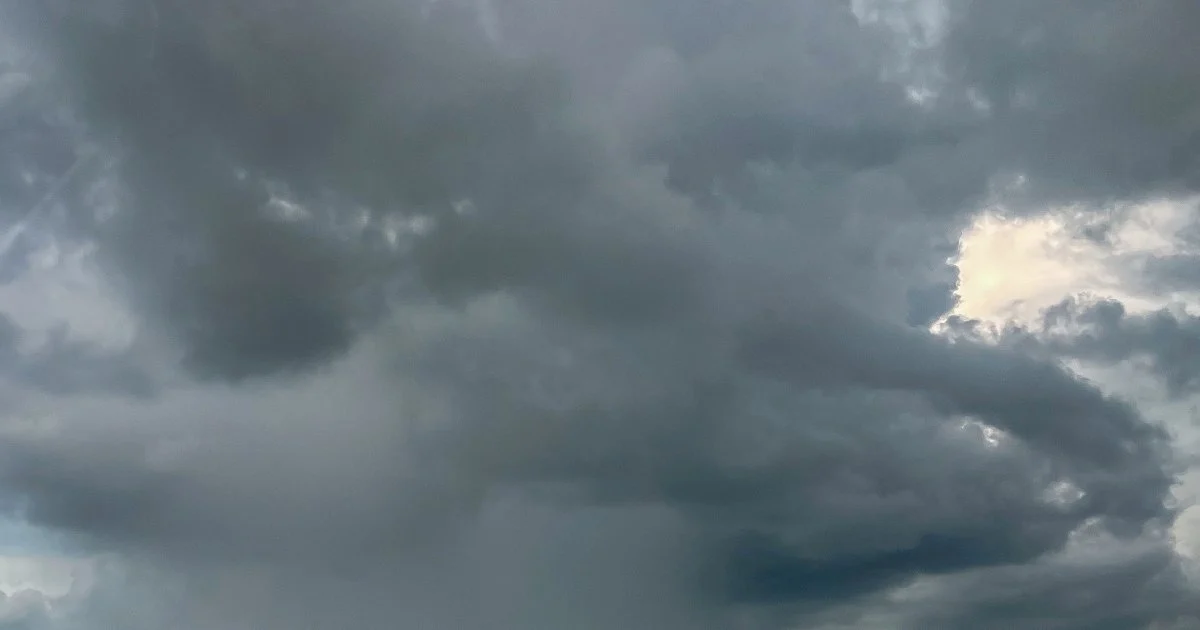
The Malaysian Meteorological Department has activated a thunderstorm warning across four northern states, forecasting severe weather conditions characterised by torrential rainfall and powerful gusts that are expected to persist until noon today. The alert underscores growing weather volatility in the peninsula's northern corridor and serves as a timely reminder for residents and commuters to exercise heightened caution during the affected period.
Weather advisories of this nature typically accompany the monsoon transitions and inter-monsoon periods that Malaysia experiences, when atmospheric instability creates ideal conditions for rapid convective cloud development. The concentration of warnings in the northern region reflects localised pressure systems and moisture convergence patterns that meteorologists have identified through their monitoring networks. Such targeted alerts enable residents to prepare appropriately rather than issue blanket warnings that may lead to advisory fatigue.
Thunderstorm events combining heavy precipitation with strong surface winds pose multiple risks to communities. Flash flooding in low-lying areas and along drainage systems remains a primary concern, particularly in urban zones where drainage infrastructure can become overwhelmed by the intensity and speed of rainfall. Visibility reductions during heavy downpours create hazardous driving conditions, making road accidents more likely as drivers struggle to navigate in reduced sight lines and slippery road surfaces.
The strong wind component of these storms warrants equal attention. Wind gusts associated with thunderstorms can exceed 60 kilometres per hour, capable of uprooting weak trees, damaging loose roofing materials, and creating airborne debris hazards. Outdoor structures that lack proper securing, including advertising billboards and construction site fencing, become projectile risks during such weather events. Previous severe weather episodes across the region have documented property damage and injuries stemming from wind-related incidents.
For commuters and business operators, the timing of the warning—extending until midday—suggests a manageable window for adjusting travel and work plans. Morning peak hour congestion combined with poor visibility could create compound transportation challenges, making earlier departures or flexible working arrangements prudent considerations for those operating in affected areas. Public transport operators typically enhance service frequency during inclement weather to manage additional passenger loads displaced from road networks.
The Malaysian Meteorological Department's early issuance of this alert reflects their commitment to providing timely information that allows for adequate preparation. The department maintains an extensive network of automated weather stations and radar facilities across the peninsula, enabling real-time tracking of developing storm systems. Residents can cross-reference official MetMalaysia channels and their mobile application for location-specific forecasts and updates as conditions evolve throughout the morning.
Historically, northern states experience variable weather patterns influenced by both the northeast and southwest monsoons, with transition periods creating particularly unstable atmospheric conditions. Urban heat islands and topographical features in these regions can further concentrate and intensify localized convective systems. Understanding these seasonal and geographical risk factors helps communities develop long-term resilience strategies beyond individual weather events.
For households in affected areas, preparedness measures should include securing loose outdoor items, ensuring drainage systems around properties remain clear, and keeping emergency supplies accessible. Vehicle owners might consider delaying non-essential journeys or selecting alternative routes less prone to waterlogging. Elderly residents and those with medical conditions should ensure adequate supplies of essential medications, as pharmacy access may become temporarily challenging during peak rainfall periods.
Government agencies including local councils and district disaster management committees typically activate contingency protocols during severe weather warnings, positioning response teams and maintaining heightened alert status. Drainage maintenance teams often conduct pre-storm inspections of critical infrastructure, and emergency services increase staffing levels to handle potential incident responses. This coordinated approach has progressively improved Malaysia's management of acute weather events over recent years.
Looking ahead, residents should monitor weather updates closely as the warning period approaches its expiration. While midday represents the projected endpoint for these conditions, weather systems occasionally extend beyond initial forecasts, making real-time updates essential. The Malaysian Meteorological Department will issue subsequent advisories if conditions persist or if new weather systems develop affecting the same or adjacent regions.
The broader context of this alert reflects ongoing discussions within Malaysia about climate variability and weather pattern changes. While individual thunderstorm events have always occurred naturally, meteorologists and climate scientists continue studying whether the intensity and frequency of extreme weather episodes are shifting. Understanding these patterns helps inform urban planning, infrastructure development, and disaster preparedness strategies that protect communities during increasingly variable weather conditions.


%22%2F%3E%3C%2Fpattern%3E%3C%2Fdefs%3E%3Crect%20width%3D%22100%25%22%20height%3D%22100%25%22%20fill%3D%22url(%23ph43z84g)%22%2F%3E%3Crect%20width%3D%22100%25%22%20height%3D%22100%25%22%20fill%3D%22url(%23ph43z84p)%22%2F%3E%3Ctext%20x%3D%2250%25%22%20y%3D%2250%25%22%20text-anchor%3D%22middle%22%20dominant-baseline%3D%22central%22%20fill%3D%22rgba(255%2C255%2C255%2C0.95)%22%20font-family%3D%22Georgia%2C%20'Times%20New%20Roman'%2C%20serif%22%20font-weight%3D%22700%22%20font-size%3D%22151%22%20letter-spacing%3D%22-0.02em%22%3ECyanotype%3C%2Ftext%3E%3C%2Fsvg%3E)