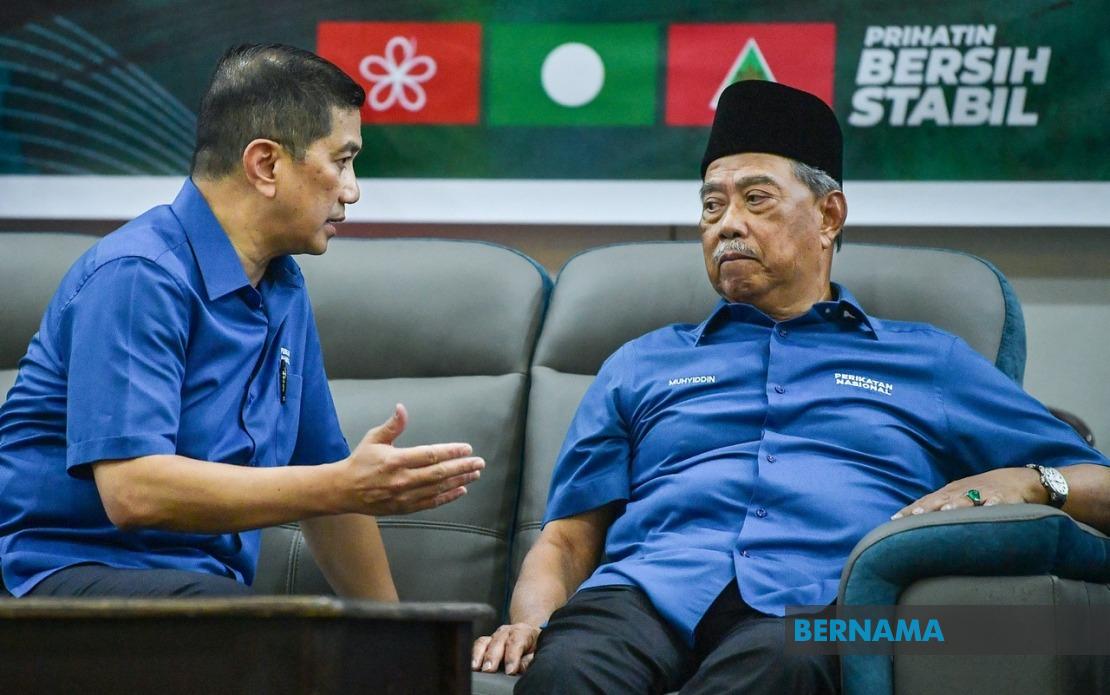
Former Prime Minister Tan Sri Muhyiddin Yassin has thrown his support behind a comprehensive package of government initiatives designed to alleviate mounting cost-of-living pressures across Malaysian households and businesses, describing the measures as timely interventions to address widespread financial strain. The Bersatu president's endorsement came in response to Prime Minister Datuk Seri Anwar Ibrahim's announcement of six immediate policy changes set to roll out from September 1, signalling cross-party acknowledgment of the economic challenges facing ordinary Malaysians and the business community.
At the core of the relief package is an expansion of fuel subsidy eligibility, with the government restoring the monthly RON95 petrol cap from 200 litres to 300 litres per consumer. This reversal represents a significant concession to public pressure over fuel costs, which have historically driven broader inflationary concerns throughout the economy. The higher threshold means Malaysian drivers will receive subsidised rates on an additional 100 litres monthly, translating to meaningful savings for commuters, commercial transport operators, and delivery services that collectively form the backbone of the nation's logistics and service sectors.
Concurrently, the government is raising the threshold for e-Invoicing exemptions, allowing businesses with annual sales up to RM3 million to operate outside the digital invoicing system previously applied across the board. This adjustment acknowledges the compliance burden placed on smaller enterprises, particularly family-run operations and sole proprietorships that lack dedicated accounting departments. By reducing administrative friction for businesses in this revenue bracket, the measure aims to redirect resources from bureaucratic compliance towards productive economic activity and employment expansion.
Muhyiddin emphasised the critical importance of swift implementation, cautioning that announcement alone carries limited value without prompt resource allocation and transparent disbursement mechanisms. His warning reflects legitimate concerns about execution gaps that have occasionally plagued government assistance programmes, where bureaucratic delays or eligibility confusion have prevented intended beneficiaries from accessing support. The former premier's call for ministerial coordination underscores the need for seamless inter-agency cooperation to ensure that vulnerable households and struggling traders receive assistance without unnecessary procedural hurdles.
Beyond immediate cost-of-living relief, the government has allocated RM1 billion in expanded micro-credit facilities targeting small-scale traders and entrepreneurs operating outside formal banking channels. This measure represents recognition that Malaysia's informal economy, encompassing hawker operators, market vendors, and home-based businesses, requires dedicated financing pathways distinct from conventional commercial lending. Complementing this initiative is RM200 million in direct grants specifically earmarked for petty traders, night market vendors, and women-led home enterprises, addressing both capital constraints and gender-based economic disparities that persist in Malaysia's MSME ecosystem.
The relief package extends beyond immediate financial assistance into productivity-enhancing infrastructure and digital transformation. An additional RM500 million investment in school maintenance signals government commitment to sustaining educational infrastructure quality, while parallel initiatives to digitalise healthcare services aim to improve accessibility and efficiency across the nation's public health system. These complementary measures reflect a holistic approach to burden-relief that combines short-term financial support with medium-term capacity building and service enhancement.
Particularly noteworthy is the government's provision of artificial intelligence software subscriptions for youth, positioning Malaysia to participate in the global digital economy transition. This initiative addresses a critical gap in technology access that has historically concentrated AI development opportunities among tech hubs and large urban centres, potentially widening regional economic disparities. By democratising access to AI tools, the government attempts to create competitive advantages for younger workers and digital entrepreneurs across the country, from Johor to Sabah.
Muhyiddin's endorsement carries symbolic weight within Malaysia's fractious political landscape, where the Anwar government operates with coalition support from parties including PKR, DAP, Amanah, and Bersatu. The former prime minister's public backing suggests these initiatives enjoy reasonably broad political acceptance, despite disagreements between government and opposition parties on other policy fronts. Such consensus strengthens the credibility of announced measures and reduces the prospect of sudden policy reversals if political fortunes shift at the next election.
Yet the Bersatu president simultaneously called for deeper structural reforms, specifically urging the government to comprehensively review taxation and subsidy rationalisation policies that he argues perpetuate the financial pressures facing ordinary Malaysians. This framing implies that while the announced initiatives offer meaningful but ultimately temporary relief, more fundamental fiscal architecture changes are necessary to achieve sustainable cost-of-living improvements. His intervention suggests implicit criticism that the measures, while welcome, represent tactical responses rather than strategic restructuring of government spending and revenue collection.
The measures take effect as Malaysia navigates economic headwinds including regional trade volatility, currency fluctuations, and persistent inflation affecting food and energy prices. Neighbouring economies including Indonesia and Thailand face similar pressures, making regional cost-of-living management a shared Southeast Asian policy challenge. How effectively Malaysia's interventions perform will likely inform policy discussions across the region and shape international perceptions of Malaysian economic management during an uncertain global environment.
Implementation fidelity will ultimately determine whether these announced measures translate into tangible relief for their intended beneficiaries or remain largely rhetorical gestures. The government faces the dual challenge of ensuring that fuel subsidy expansion reaches eligible drivers without encouraging wasteful consumption, while simultaneously guaranteeing that MSME financing actually reaches informal traders who may lack formal business registration or collateral typically required for credit access. Success requires both bureaucratic competence and genuine political will to prioritise accessibility over rigid compliance with formal procedures.

