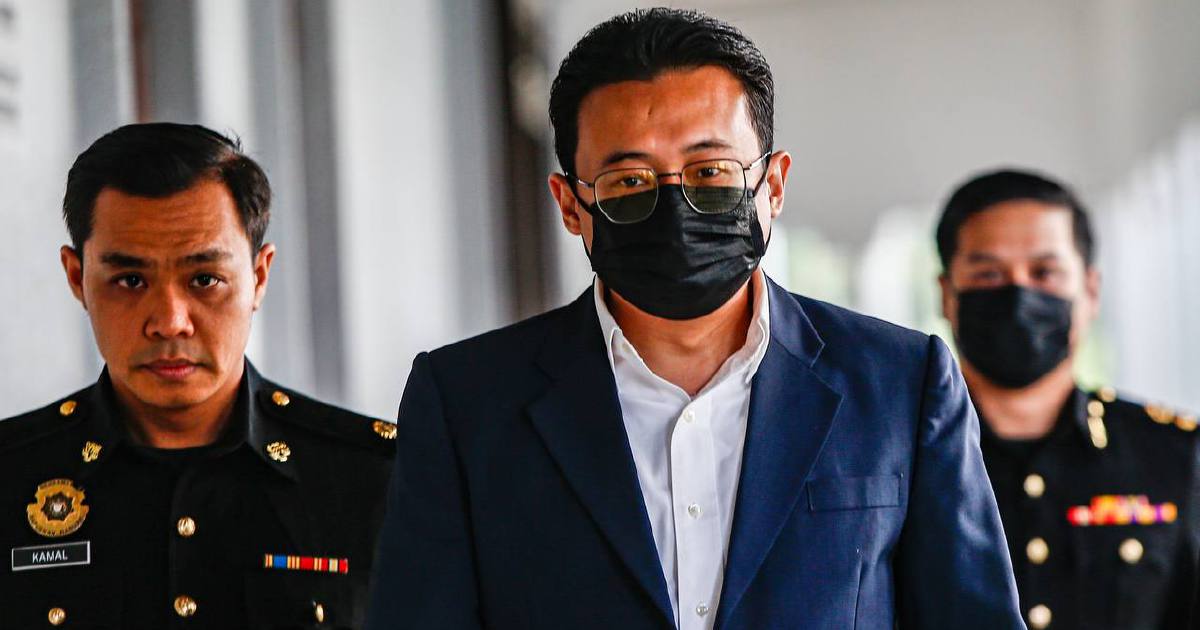
The chief executive officer of Malaysia Stadium Corporation (MSC) entered a not guilty plea at Sessions Court here today, facing seven separate charges of soliciting and accepting bribes valued at over RM1 million. The allegations stem from his alleged conduct in connection with awarding a contract to upgrade Malaysia's National Squash Centre, one of the country's premier sporting facilities.
Court proceedings have marked the beginning of what could be a lengthy examination into governance practices within Malaysia's state-owned sporting infrastructure bodies. The charges carry significant implications for how government agencies manage public procurement processes, particularly in the sports sector where substantial capital investments regularly flow through development projects. The specificity of seven distinct counts suggests authorities have documented multiple separate instances of alleged improper conduct rather than treating the matter as a single transaction.
The National Squash Centre, located in Kuala Lumpur, represents a strategically important venue for promoting squash as a competitive sport domestically and internationally. Malaysia has a strong tradition in squash, with the facility serving athletes and hosting regional and international tournaments. Upgrading such infrastructure requires careful tender processes to ensure competitive bidding, value for public money, and transparent decision-making. Allegations of bribery in such circumstances undermine confidence in how state agencies allocate resources for sports development.
Malaysia's anti-corruption enforcement has intensified in recent years, with the Malaysian Anti-Corruption Commission (MACC) pursuing high-profile cases involving public sector officials. This case reflects the broader commitment to holding government-linked corporation executives accountable for their conduct. However, the journey from indictment to verdict often proves protracted, with Sessions Court trials requiring detailed examination of evidence, witness testimony, and documentary records spanning potentially many months.
The allegations of soliciting bribes indicate that prosecutors contend the defendant actively sought improper payments from a company bidding for the contract, rather than merely accepting unsolicited offers. This distinction carries legal weight, as it suggests premeditated conduct aimed at influencing procurement decisions. The involvement of a tender process means multiple stakeholders may be affected—unsuccessful bidders, the winning contractor, and the public entity responsible for stewardship of public funds.
From a governance perspective, the case highlights vulnerabilities in how state-owned enterprises manage competitive bidding for major infrastructure projects. Despite established procurement frameworks and oversight mechanisms, allegations periodically emerge suggesting these safeguards remain insufficient. The RM1 million threshold suggests a substantial financial incentive, raising questions about what bidders stood to gain through securing the contract and what profits might have justified such payments.
For Malaysia's sporting sector, the case carries reputational consequences. International sporting bodies and governing federations increasingly scrutinize governance standards within member nations' infrastructure and management bodies. Allegations of corruption in sports administration, while not uncommon globally, can affect a nation's credibility when bidding for hosting major tournaments or seeking international recognition of athletic excellence. The squash community, already modest in scale compared to football or badminton, faces particular vulnerability to perceptions of mismanagement.
The Sessions Court trial will likely explore communications between the defendant and the company alleged to have provided bribes, financial transactions and their documentation, and testimony from company representatives, other bidders, and witnesses. Prosecutors must establish a clear chain demonstrating that the defendant consciously solicited and received payments, and that these were intended to influence the tender outcome. The defendant's legal team will presumably challenge the sufficiency and credibility of evidence supporting each charge.
Broader implications extend to how Malaysia positions itself on governance and transparency. Southeast Asian nations compete for foreign investment and international partnerships, both of which depend partly on perceptions of institutional integrity. Anti-corruption cases that proceed through courts and reach documented verdicts—whether resulting in conviction or acquittal—paradoxically strengthen international confidence in a nation's commitment to the rule of law, provided proceedings appear fair and transparent.
The case also reflects evolving standards within Malaysia's public sector regarding conflict of interest and proper conduct. State-owned corporations increasingly face scrutiny over procurement practices, board composition, and executive accountability. Whether this particular case results in conviction or acquittal, it serves to remind officials throughout government-linked entities that conduct in awarding contracts remains subject to legal examination.
The Sessions Court will schedule further hearing dates as the trial progresses. Evidence presentation and witness examination typically extend over multiple court sessions, meaning the case could take many months to reach conclusion. Meanwhile, the National Squash Centre upgrade project may face delays or uncertainty depending on how the alleged procurement irregularities affect project continuity or require re-tendering.

%22%2F%3E%3C%2Fpattern%3E%3C%2Fdefs%3E%3Crect%20width%3D%22100%25%22%20height%3D%22100%25%22%20fill%3D%22url(%23ph21o2sg)%22%2F%3E%3Crect%20width%3D%22100%25%22%20height%3D%22100%25%22%20fill%3D%22url(%23ph21o2sp)%22%2F%3E%3Ctext%20x%3D%2250%25%22%20y%3D%2250%25%22%20text-anchor%3D%22middle%22%20dominant-baseline%3D%22central%22%20fill%3D%22rgba(255%2C255%2C255%2C0.95)%22%20font-family%3D%22Georgia%2C%20'Times%20New%20Roman'%2C%20serif%22%20font-weight%3D%22700%22%20font-size%3D%22170%22%20letter-spacing%3D%22-0.02em%22%3EGabungan%3C%2Ftext%3E%3C%2Fsvg%3E)