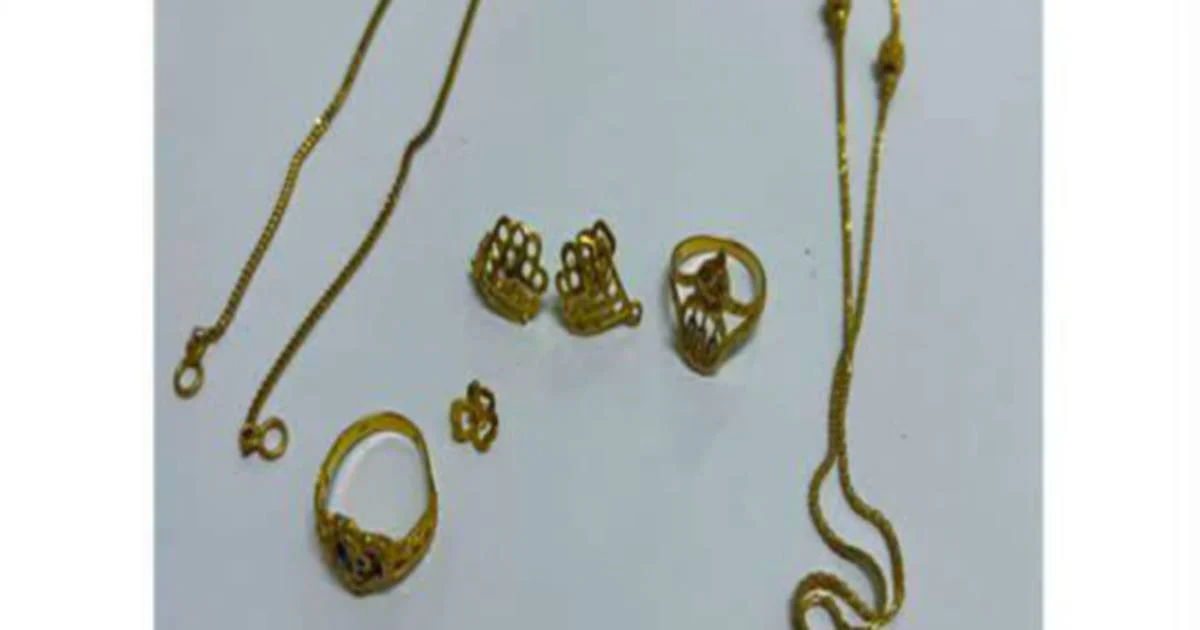
Police in Ipoh have apprehended a mother and her two adult children following allegations that they deceived a 67-year-old woman by pretending to be officials from the welfare department. The trio is suspected of using this false identity to gain access to the victim's home, where they subsequently relieved her of jewellery and personal valuables totalling around RM8,000. The arrests represent the latest in a persistent series of fraud cases targeting the elderly across Malaysia, a demographic that remains particularly vulnerable to such schemes.
The modus operandi employed by the suspects appears carefully calculated to exploit the trust that many senior citizens place in government officials. By misrepresenting themselves as welfare officers, the individuals were able to establish credibility and convince the woman to allow them entry into her residence. This approach capitalises on the general willingness of elderly people to cooperate with what they believe are legitimate authorities conducting routine welfare checks or social assistance programmes. The sophistication of such impersonation tactics has become increasingly concerning to law enforcement agencies throughout the country.
The investigation into this particular case emerged following a report lodged by the victim, who eventually realised that valuable items had disappeared from her home after the fraudsters' visit. Police were able to trace the suspect family members through follow-up inquiries, leading to their subsequent arrest. The recovery and documentation of stolen property, along with establishing the timeline of events, proved crucial in building the case against all three individuals involved in the scheme.
This incident highlights a broader pattern of vulnerability facing Malaysia's growing elderly population, particularly those living alone or with limited family support nearby. Criminals have increasingly identified seniors as attractive targets because many elderly individuals possess accumulated jewellery collections, keep cash at home, and may be less likely to verify the authenticity of official-looking callers. The ease with which perpetrators can obtain generic identification or simply dress to resemble government workers has emboldened such fraudsters to operate with relative confidence.
Local law enforcement agencies have long warned the public about the dangers of allowing unknown persons into their homes, regardless of the credentials they produce. The police emphasise that legitimate welfare officers will provide official identification and can be verified through telephone calls to relevant government departments. Residents should be encouraged to request proper documentation, ask for contact details, and independently confirm whether any visit is genuinely required before granting entry. These precautionary measures have proven effective in preventing numerous potential crimes.
The monetary loss in this case—RM8,000—may not seem extraordinarily large in absolute terms, but for many elderly Malaysians living on fixed pensions or limited savings, such theft represents a significant depletion of their personal assets. Jewellery often holds both financial and sentimental value for older people, as these items frequently commemorate important life events or represent inheritances passed down through generations. The psychological impact of being victimised in one's own home can be equally damaging, leading to increased anxiety and reluctance to open doors even to genuine visitors.
Senior citizen advocacy groups across Malaysia have raised increasing alarm about the prevalence of such fraud cases targeting elderly residents. They have called for more proactive public awareness campaigns designed specifically for older demographics, using accessible language and distribution channels that reach retired persons effectively. Community centres, religious institutions, and residential areas with high concentrations of senior citizens have become focal points for disseminating safety information. Some states have even initiated neighbourhood watch programmes specifically coordinated to protect vulnerable elderly residents.
The involvement of multiple family members in this fraudulent scheme suggests a level of organised deception rather than an impulsive crime of opportunity. Such family-based criminal networks present particular challenges for investigative authorities, as members may have different assigned roles—some handling victim interaction, others managing logistics—and established communication patterns. The fact that law enforcement managed to apprehend all three individuals indicates effective coordination between officers and thorough investigative groundwork. Their cooperation in perpetrating the scheme may also influence how prosecutors approach the legal proceedings.
This case serves as a timely reminder to Malaysian communities about the importance of vigilance and protective measures for elderly family members. Adult children and relatives of senior citizens should maintain regular contact, discuss potential scams, and encourage their elderly relatives to be cautious about unsolicited visitors. Many families have found it helpful to establish coded verification systems with elderly relatives, or to arrange periodic welfare checks conducted by trusted family members themselves rather than relying on third parties. Education and family communication remain among the most effective defences against such exploitation.
The police have indicated that investigations into the case continue, with authorities determining whether the suspects targeted other victims using similar methods. Such serial fraud patterns are common, and recognition of repeat offenders helps law enforcement build broader cases. If additional victims come forward, it could substantially strengthen the prosecution's case and result in more serious charges. The public is urged to report any suspicious visits by persons claiming to represent government agencies, particularly if they request entry to homes or information about personal valuables.

