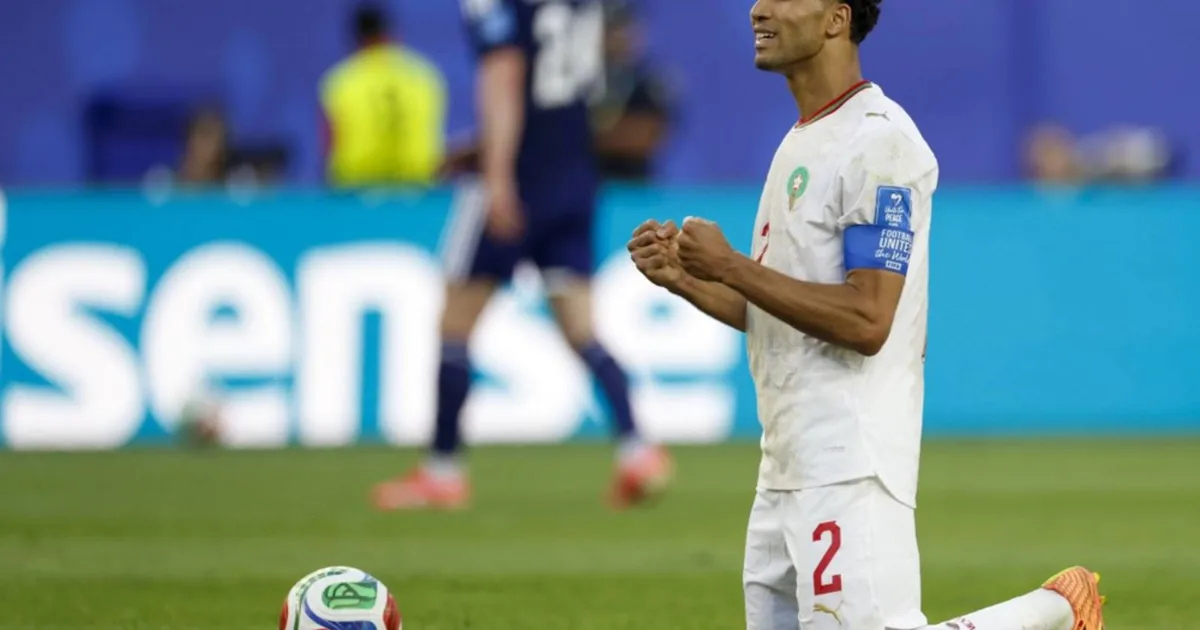
Achraf Hakimi's coaching staff at the international level has expressed confidence in the Paris Saint-Germain defender's psychological resilience as he confronts significant legal challenges, underscoring the complex intersection between professional athletics and personal legal turmoil that occasionally envelops high-profile footballers. The situation has drawn considerable attention to how elite players manage their careers while addressing serious allegations that could have profound consequences for their personal lives and professional trajectories.
The 26-year-old defender is currently navigating allegations brought against him involving a 24-year-old woman, with the alleged incident dating back to 2023 in the Paris region. Hakimi has categorically denied the accusations levelled against him, maintaining his innocence throughout the legal process. This denial remains central to his defence as the case proceeds through the French judicial system, a process that typically unfolds gradually and requires patience from all involved parties.
Morocco's coaching staff has sought to project stability around Hakimi's situation, presenting him as emotionally equipped to handle the pressures emerging from both the legal arena and the demanding world of professional football. The assertion that Hakimi maintains composure represents an attempt to normalise his continued participation in international football while these matters are resolved through proper legal channels. This stance reflects a broader approach taken by national teams when faced with players experiencing off-field difficulties.
For Malaysian and Southeast Asian observers of football, Hakimi's case illustrates the growing complexity faced by modern athletes who operate under intense public scrutiny. The 24-year-old defender's position at PSG, one of world football's most prominent clubs, means every aspect of his life receives heightened media attention. This relentless coverage can compound the psychological burden of legal proceedings that would prove stressful even for ordinary individuals.
The timing of these allegations, occurring during his tenure at the French capital's most prestigious club, has implications extending beyond Hakimi himself. PSG's management must balance maintaining squad cohesion with navigating the reputational implications of retaining a player facing serious accusations. The club's approach to this situation may influence how other European institutions handle comparable circumstances involving their own players.
From a regional perspective, Hakimi's case resonates within Southeast Asian football communities where rising players increasingly migrate to top European leagues. Young athletes aspiring to reach similar heights must now consider not only the sporting challenges of competing at elite levels but also the legal frameworks and public scrutiny they will face in foreign jurisdictions. Understanding these dimensions has become part of realistic career planning for ambitious footballers from the region.
Morocco's continued inclusion of Hakimi in squad selections reflects a judgment that his on-field abilities remain valuable to the national team's competitive objectives. This decision suggests that national football associations, like clubs, must weigh allegations and legal processes against immediate sporting considerations. The Moroccan Football Federation's stance indicates that unless and until legal determinations conclusively establish guilt, players retain opportunities to represent their countries.
The psychological dimension that Morocco's coaching staff emphasizes deserves particular attention. Elite athletes typically develop considerable mental fortitude to perform at the highest levels, yet legal proceedings introduce variables that even experienced professionals rarely encounter during their careers. Hakimi's reported composure, if accurate, suggests either exceptional personal resilience or effective support systems helping him compartmentalise competing pressures.
The broader implications of high-profile legal cases involving footballers extend into questions about accountability, due process, and the presumption of innocence within professional sport. The French legal system, like all democratic judicial frameworks, operates according to principles designed to protect the rights of all parties involved. Hakimi's case will proceed according to these legal requirements regardless of public opinion or sporting considerations.
For supporters across Southeast Asia who follow European football closely, cases like Hakimi's remind them that even world-class athletes remain vulnerable to serious allegations. The incident underscores that sporting achievement and personal conduct represent separate dimensions of human experience, and that neither necessarily predicts the other. This reality shapes how fans approach their relationship with professional footballers, particularly those whose lives intersect with legal proceedings.
As the case progresses through French courts, Hakimi's professional life appears destined to continue in parallel with legal processes. His club and national team have signalled they expect him to maintain performance standards while these matters reach their conclusions. Whether this dual focus proves sustainable will likely depend on both the timeline of legal proceedings and Hakimi's personal capacity to manage the associated stress.
The situation also highlights how international football creates complications when players from one country face legal proceedings in another. Coordination between national federations, club management, and legal authorities becomes necessary to ensure player welfare and maintain professional standards. Morocco's involvement in monitoring Hakimi's situation reflects this multilayered responsibility.
Ultimately, Hakimi's case exemplifies the unpredictable nature of professional football careers in the modern era, where sporting talent no longer guarantees smooth progression toward glory and security. External circumstances can rapidly redirect trajectories regardless of ability, placing athletes in situations where their agency becomes limited and their futures uncertain. His reported composure amid these challenges may prove as significant to his ultimate legacy as his defensive prowess on the pitch.
%22%2F%3E%3C%2Fpattern%3E%3C%2Fdefs%3E%3Crect%20width%3D%22100%25%22%20height%3D%22100%25%22%20fill%3D%22url(%23ph58ve7g)%22%2F%3E%3Crect%20width%3D%22100%25%22%20height%3D%22100%25%22%20fill%3D%22url(%23ph58ve7p)%22%2F%3E%3Ctext%20x%3D%2250%25%22%20y%3D%2250%25%22%20text-anchor%3D%22middle%22%20dominant-baseline%3D%22central%22%20fill%3D%22rgba(255%2C255%2C255%2C0.95)%22%20font-family%3D%22Georgia%2C%20'Times%20New%20Roman'%2C%20serif%22%20font-weight%3D%22700%22%20font-size%3D%22170%22%20letter-spacing%3D%22-0.02em%22%3EMinistry%3C%2Ftext%3E%3C%2Fsvg%3E)