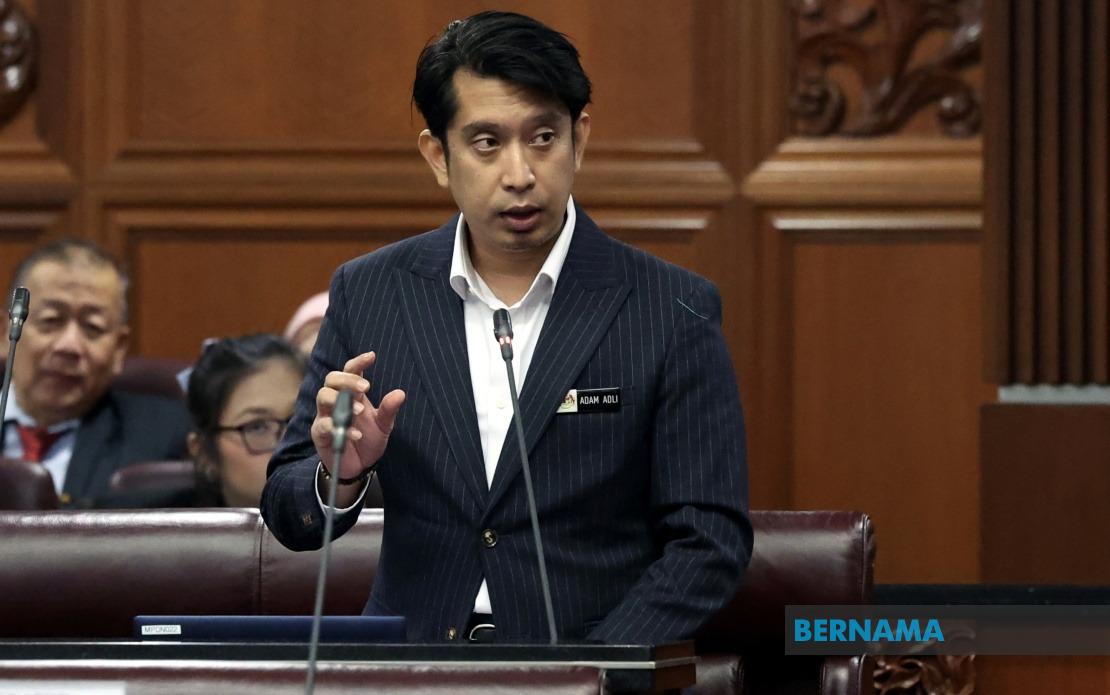
The Ministry of Higher Education is working to finalise plans for a residential college capable of housing around 700 students in Betong, Sarawak, marking a significant effort to improve living conditions for pupils attending technical and vocational institutions in the state's interior regions. Deputy Higher Education Minister Adam Adli Abd Halim disclosed the development during parliamentary proceedings, emphasising the ministry's commitment to bolstering accessibility to TVET programmes across Malaysia's more remote communities. The proposed facility would serve students from both Politeknik Metro Betong Sarawak and Kolej Komuniti Betong, two institutions pivotal to developing skilled workforces in the region.
The project has already secured a potential site through collaboration between state authorities and federal land management bodies. An 8.814-hectare plot owned by the federal government has been identified in Batu Api district, situated approximately 650 metres from the PMBS campus, offering proximity that would facilitate student access while maintaining separate residential facilities. Before construction can commence, the ministry must navigate bureaucratic processes including obtaining formal land-use conversion approvals and securing sign-off from the Prime Minister's Department, which holds title to the property. These procedural steps, while necessary, underscore how even well-intentioned infrastructure projects require coordination across multiple governmental layers in Malaysia's federal system.
Adam Adli's comments reveal a strategic prioritisation of student welfare infrastructure ahead of institutional expansion efforts. When queried about upgrading Politeknik Metro Betong Sarawak into a fully-fledged conventional polytechnic—a request that would elevate its status and presumably attract greater resources—the deputy minister indicated that accommodation and living conditions represent foundational concerns that must be addressed first. This sequencing reflects recognition that expanding student enrolment without adequate residential support would create hardship for pupils, particularly those from distant rural areas who cannot commute daily. The ministry's cautious approach suggests policymakers understand that educational equity extends beyond classroom infrastructure to encompassing the broader ecosystem supporting student success.
Current enrolment figures at PMBS highlight significant headroom for growth. The institution presently accommodates 291 students across its Diploma in Finance and Diploma in Tourism Management offerings, substantially below its 600-student maximum capacity. This underutilisation represents both a challenge and opportunity: while it suggests demand may be lower than anticipated, it also indicates that expanding programmes could fill available slots without necessarily requiring additional classroom facilities immediately. The introduction of a new Diploma in Business Information Systems commencing in December 2026 represents the ministry's effort to diversify the curriculum and attract students with different career aspirations, potentially addressing market gaps in digital business competencies among vocational graduates in Sarawak.
Beyond formal diploma programmes, PMBS has developed ancillary activities through its Lifelong Learning agenda that demonstrate broader community engagement. Workshops and short courses in accounting and tourism management attracted 1,137 participants during the preceding year, indicating that the institution serves not only full-time diploma students but also working professionals and community members seeking skills enhancement. This dual role—functioning simultaneously as a TVET provider for young people and as a continuous learning hub for established workers—positions polytechnics like PMBS as important anchors for human capital development across entire regions. The comparatively high participation in supplementary courses suggests substantial latent demand for skills training that formal programmes alone may not fully address.
Accommodation represents a genuine obstacle to TVET expansion in interior Sarawak. Rural students wishing to pursue technical qualifications face difficult choices: either relocate to urban centres where polytechnics operate, or forgo technical education entirely due to distance and costs. A 700-bed residential facility would fundamentally alter these calculations, enabling motivated students from interior communities to access quality vocational training without requiring families to bear relocation expenses. The investment signals that the federal government recognises education infrastructure as a mechanism for reducing regional inequality and building human capital in underserved areas. For Malaysian policymakers grappling with brain drain and rural stagnation, such projects represent tangible commitments to equity.
The establishment of a Student Residential and Accommodation Management Committee while awaiting hostel completion demonstrates interim problem-solving. Rather than allowing accommodation challenges to fester during the multi-year construction timeline, the committee will oversee student housing arrangements in existing rental properties near campus, addressing welfare, safety, and coordination issues that arise when students scatter across multiple private residences. This parallel initiative reflects practical institutional management—recognising that perfecting the ultimate solution should not prevent addressing immediate needs. The committee structure also builds capacity within the institution for managing residential services, knowledge and systems that will prove essential once the permanent facility opens.
Sarawak's geographic characteristics and development patterns make TVET accessibility particularly important for inclusive growth. The state's dispersed population, significant interior regions with limited higher education infrastructure, and growing economic diversification beyond resource extraction create genuine demand for technical skills across hospitality, business services, and emerging sectors. Politeknik Metro Betong Sarawak, despite its modest current scale, sits within this strategic context—serving a catchment population across interior Sarawak's districts. Expanded residential capacity would enable the institution to consolidate its regional role and potentially attract students from neighbouring states where equivalent facilities might be equally distant.
The hostel project also reflects broader shifts in Malaysian education policy recognising vocational training's importance alongside conventional university pathways. The ministry's willingness to invest in TVET infrastructure, particularly in rural settings, indicates institutional commitment to skills-based education as essential to economic competitiveness. This represents evolution from earlier eras when vocational education occupied a secondary position in the national educational hierarchy. For employers across Malaysia and Southeast Asia facing persistent skilled-worker shortages, such investments promise long-term benefits through producing graduates equipped for industrial and service sectors.
Implementation timelines remain fluid. The deputy minister indicated the ministry aims to expedite the process, though no specific completion date was announced. Sarawak Land and Survey Department's involvement, Prime Minister's Department approvals, and construction tendering procedures will collectively determine when students can actually occupy the facility. Meanwhile, the ministry's interim measures through the accommodation committee and new diploma offerings demonstrate incremental progress toward the larger vision. For stakeholders in Betong and surrounding areas, the project represents tangible recognition that rural communities deserve equivalent investment in educational infrastructure to that enjoyed by urban counterparts.

