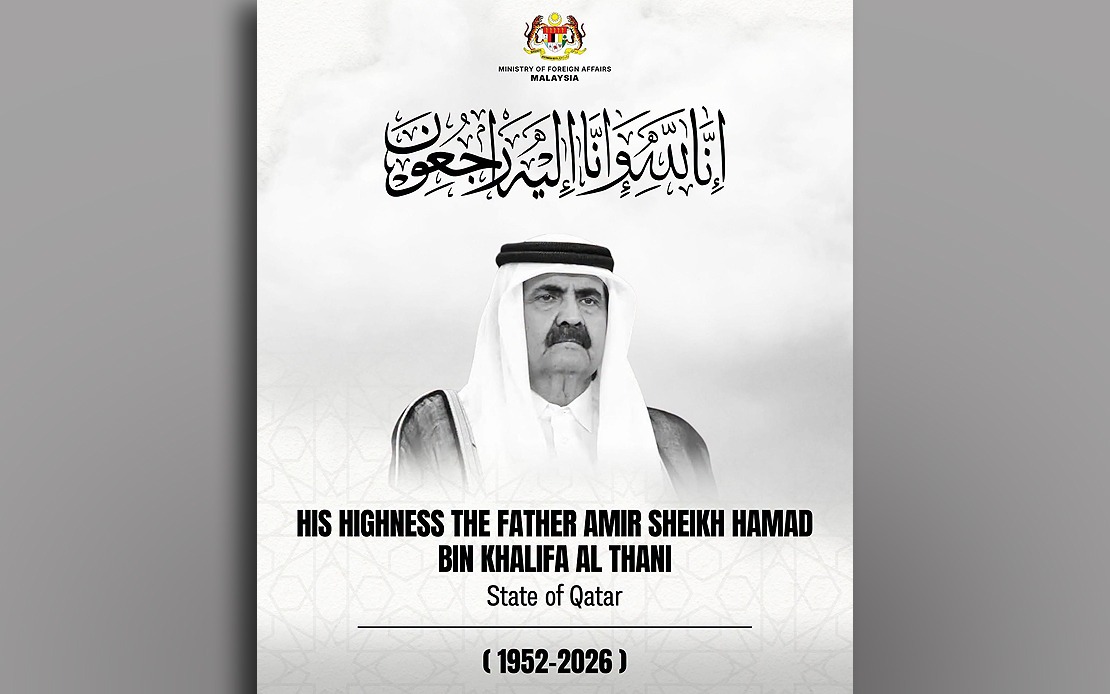
Datuk Seri Dr Zambry Abdul Kadir, Malaysia's Higher Education Minister, has been designated to represent the Malaysian government at the state funeral proceedings for Qatar's former ruler, Sheikh Hamad bin Khalifa Al Thani, scheduled from July 13 to 14. The appointment underscores the diplomatic significance Malaysia accords to its relationship with Qatar, one of the region's most influential Gulf states.
The formal mourning period, which commenced on Sunday July 12, will extend for four days throughout Qatar as the nation pays its final respects to the late Father Amir. During this solemn period, all government ministries, public institutions, and related entities across the country will suspend operations. This comprehensive closure reflects the magnitude of the occasion and the deep cultural importance of the late leader in Qatari society.
At Lusail Palace, Qatar's current Amir Sheikh Tamim bin Hamad Al Thani will preside over the reception of condolences from international dignitaries, foreign heads of state, members of the royal family, and citizens between July 13 and 15. The venue choice and the extended timeframe for receiving visitors demonstrate the ceremonial grandeur befitting a figure of Sheikh Hamad's stature in Gulf politics.
Shiekh Hamad bin Khalifa Al Thani's lengthy reign fundamentally transformed Qatar from a modest regional power into a global economic and cultural force. His tenure witnessed the country's extraordinary petroleum wealth translate into unprecedented development, positioning Qatar as a modern hub of commerce, sport, and diplomacy. The late leader's legacy encompasses significant infrastructural projects and Qatar's emergence as a geopolitical player of considerable influence across the Middle East and beyond.
Through an official statement released Monday, Malaysia's Ministry of Foreign Affairs conveyed profound sadness at the loss and reaffirmed the nation's solidarity with Qatar's government and populace during this period of national mourning. The statement reflected the warm bilateral ties maintained between the two countries, rooted in shared Islamic heritage, regional cooperation, and mutual economic interests spanning decades.
Malaysia's selection of the Higher Education Minister for this diplomatic representation carries particular resonance, as it signals continuity in bilateral engagement across multiple sectors. Education cooperation between Malaysia and Qatar has expanded considerably in recent years, with Qatari investments in Malaysian institutions and ongoing academic partnerships. This choice of envoy therefore reflects not merely ceremonial protocol but substantive areas of ongoing collaboration.
For Malaysia, maintaining robust relationships with Gulf Cooperation Council states remains strategically vital. Qatar's pivotal role within regional geopolitics, combined with its significant foreign investment capacity and influence in international forums, makes strengthened ties essential for Malaysian interests. The government's decision to send a senior ministerial representative demonstrates commitment to preserving diplomatic channels and honouring the historical importance of the bilateral relationship.
The passing of Sheikh Hamad marks a significant moment for Qatar's political landscape and presents an opportunity for regional states to reaffirm their commitment to stability and cooperation. Sheikh Tamim's accession to leadership authority, which occurred in 2013 when his father abdicated, has already demonstrated continuity in Qatar's development trajectory and its prominent role in regional affairs. Malaysia's participation in the mourning ceremonies reflects acknowledgement of this transition and confidence in ongoing relations under Qatar's current leadership.
For Southeast Asian nations more broadly, the events surrounding Qatar's mourning period underscore the importance of maintaining diplomatic flexibility and presence in Gulf affairs. As ASEAN states increasingly engage with Middle Eastern partners on trade, investment, and security matters, participation in significant state occasions serves to strengthen networks and demonstrate commitment to long-term partnerships. Malaysia's representation exemplifies this strategic engagement approach.
The four-day mourning period will provide an extended platform for bilateral and multilateral engagement among the numerous international delegations converging on Doha. Such occasions traditionally offer quieter opportunities for diplomatic conversations beyond formal ceremony, allowing nations to address matters of mutual concern and explore new areas of cooperation. Malaysia's ministerial delegation may utilise this presence to advance bilateral priorities.
Qatar's relationship with Malaysia has also deepened through religious and cultural exchanges centred on Islamic scholarship and institutional development. The presence of Qatari-funded educational facilities and the participation of Malaysian academics in regional intellectual forums reflect this dimension of cooperation. The mourning ceremony thus represents not merely a diplomatic obligation but an occasion for reaffirming ties rooted in substantial shared interests and values.

