Malaysia's healthcare system faces mounting pressure as the Health Ministry works to dismantle bureaucratic obstacles impeding the expansion of its specialist workforce. Health Minister Datuk Seri Dr Dzulkefly Ahmad disclosed this week that multiple bottlenecks continue to slow efforts to train and deploy the additional medical specialists the country desperately needs, though he emphasized progress toward breakthrough reforms.
The admission arrives at a critical juncture. Malaysia currently faces a shortage of approximately 11,000 medical specialists, a deficit spanning both the public and private healthcare sectors. This shortfall threatens the government's capacity to sustain quality care across the nation's hospital network and specialist clinics, particularly as patient volumes rise and disease patterns shift toward more complex conditions requiring advanced expertise.
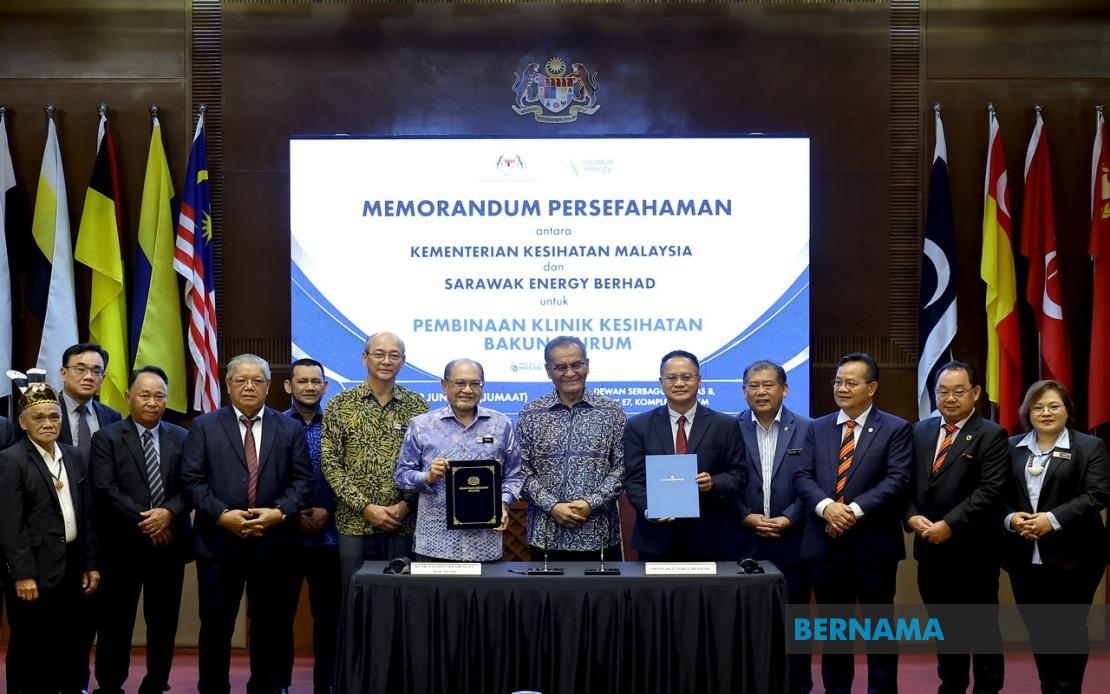
Dzulkefly outlined his ministry's strategy during remarks following a memorandum of understanding signing between the Health Ministry and Sarawak Energy concerning the construction of the Bakun-Murum Health Clinic. The procedural and administrative constraints he referenced appear to stem from interconnected challenges: regulatory frameworks governing specialist certification, capacity limitations within training institutions, and funding mechanisms that do not align with workforce expansion timelines.
The specialist shortage reflects a structural problem extending beyond simple numbers. Malaysia's healthcare infrastructure has expanded unevenly across regions, creating mismatches between training opportunities and deployment capacity. The Health Ministry's approach acknowledges this reality by deliberately linking specialist workforce growth to infrastructure development. Rather than flooding the market with newly qualified specialists for whom adequate facilities do not exist, the ministry is orchestrating a phased expansion calibrated to hospital upgrades, equipment procurement, and departmental restructuring.
This synchronized approach carries important implications for Malaysia's healthcare trajectory. Premature specialist training without corresponding infrastructure investment would create bottlenecks at the employment end, potentially driving qualified professionals toward private practice or overseas opportunities. Conversely, delaying specialist development while infrastructure sits idle wastes resources and perpetuates patient care gaps. The ministry's sequential strategy attempts to navigate these competing pressures, though it also means that relief from the current shortage will not be instantaneous.
Meanwhile, the Health Ministry has implemented interim measures designed to ease immediate strain on the existing specialist workforce. A cluster crisis management system coordinates resources across hospital networks within geographic zones, enabling the redeployment of specialists according to fluctuating demand and emergency situations. This approach redistributes personnel among hospitals and primary health clinics within clusters, optimizing utilization of available expertise without requiring permanent staffing increases.
The cluster system represents pragmatic crisis management rather than permanent solution. By facilitating inter-hospital transfers and coordinated scheduling, the mechanism helps distribute workload pressures that would otherwise concentrate upon individual institutions. Specialists can be mobilized to areas facing acute demand spikes, reducing burnout in overburdened departments while maintaining continuity of care across the network.
Dzulkefly's insistence that healthcare service continuity remain paramount reflects the ministry's awareness of workforce strain. Malaysia's specialist doctors work within a system already stretched beyond designed capacity, creating occupational stress that affects retention and recruitment. The interim cluster approach acknowledges these pressures while reforms proceed toward comprehensive solutions that would fundamentally expand capacity.
The bureaucratic obstacles Dzulkefly referenced likely encompass multiple institutional layers. Specialist training pathways in Malaysia involve coordination among medical schools, specialist colleges, professional registration bodies, and health service employers. Each entity maintains standards and procedures that, while individually justified, collectively create friction when systemic change is required. Streamlining these pathways requires negotiation across institutional domains with differing priorities and governance structures.
For Malaysian readers, these developments carry direct consequences. Healthcare access and quality depend fundamentally upon specialist availability. Rural and semi-urban regions face particular vulnerability, as specialists concentrate in urban centers with established infrastructure and academic institutions. The ministry's infrastructure-synchronized approach, while sound in principle, means rural populations may experience protracted specialist shortages as urban facilities receive preferential resource allocation.
Regionally, Malaysia's specialist shortage mirrors challenges faced across Southeast Asia, where rapid urbanization, aging populations, and disease burden increases have outpaced specialist training capacity. The Health Ministry's efforts to systematize specialist workforce expansion offer potential lessons for neighbors confronting similar constraints. Conversely, competition for specialist talent within the region may intensify if individual nations pursue aggressive training expansions without addressing the underlying infrastructure and employment barriers that currently limit deployment.
The resolution of these bureaucratic constraints could prove transformative. Effective specialist training pathways would enhance the quality and accessibility of Malaysian healthcare, strengthen public hospital capacity, and potentially create employment opportunities attracting Malaysian specialists currently practicing abroad. The timeframe for completing these reforms remains unclear, however, and patients requiring specialist care today will not benefit from systems being constructed for tomorrow's needs.

%22%2F%3E%3C%2Fpattern%3E%3C%2Fdefs%3E%3Crect%20width%3D%22100%25%22%20height%3D%22100%25%22%20fill%3D%22url(%23ph3c1nqg)%22%2F%3E%3Crect%20width%3D%22100%25%22%20height%3D%22100%25%22%20fill%3D%22url(%23ph3c1nqp)%22%2F%3E%3Ctext%20x%3D%2250%25%22%20y%3D%2250%25%22%20text-anchor%3D%22middle%22%20dominant-baseline%3D%22central%22%20fill%3D%22rgba(255%2C255%2C255%2C0.95)%22%20font-family%3D%22Georgia%2C%20'Times%20New%20Roman'%2C%20serif%22%20font-weight%3D%22700%22%20font-size%3D%22194%22%20letter-spacing%3D%22-0.02em%22%3EGerakan%3C%2Ftext%3E%3C%2Fsvg%3E)
%22%2F%3E%3C%2Fpattern%3E%3C%2Fdefs%3E%3Crect%20width%3D%22100%25%22%20height%3D%22100%25%22%20fill%3D%22url(%23ph3evy7g)%22%2F%3E%3Crect%20width%3D%22100%25%22%20height%3D%22100%25%22%20fill%3D%22url(%23ph3evy7p)%22%2F%3E%3Ctext%20x%3D%2250%25%22%20y%3D%2250%25%22%20text-anchor%3D%22middle%22%20dominant-baseline%3D%22central%22%20fill%3D%22rgba(255%2C255%2C255%2C0.95)%22%20font-family%3D%22Georgia%2C%20'Times%20New%20Roman'%2C%20serif%22%20font-weight%3D%22700%22%20font-size%3D%22151%22%20letter-spacing%3D%22-0.02em%22%3ESingapore%3C%2Ftext%3E%3C%2Fsvg%3E)