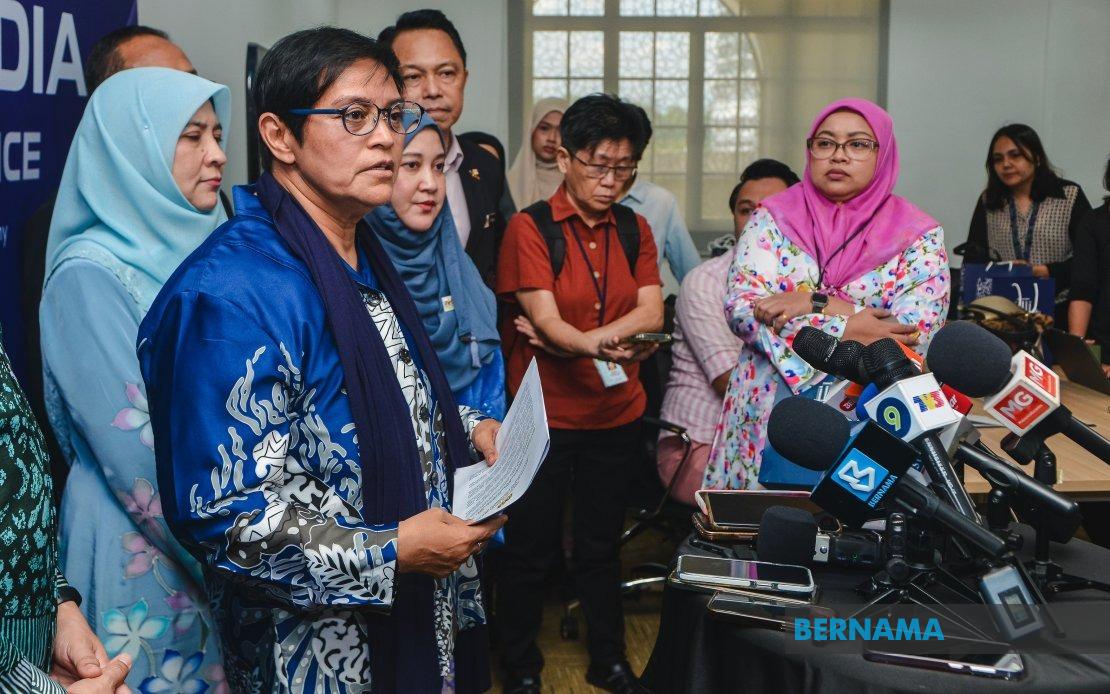
Malaysia is introducing groundbreaking legislation that fundamentally reshapes how bullying is addressed in the country. The Anti-Bullying Act 2026 marks a watershed moment by extending legal accountability beyond the child perpetrator to their parents, a move that places family units at the centre of bullying prevention and enforcement. Datuk Seri Azalina Othman Said, the Minister in the Prime Minister's Department (Law and Institutional Reform), unveiled this significant shift during the official launch of the Anti-Bullying Tribunal headquarters at the Asian International Arbitration Centre (AIAC) in Kuala Lumpur on June 16.
The concept of joint parental liability represents a departure from conventional criminal law principles, which typically confine responsibility to the individual offender. Under this new framework, parents and family members can be held financially and legally accountable for bullying conduct perpetrated by their offspring. This includes obligations to settle any fines and penalties imposed by the tribunal, effectively creating a financial incentive structure that encourages closer parental supervision and intervention. The approach reflects growing international recognition that family engagement and shared responsibility are critical components of bullying prevention strategies.
Azalina explained that the legislation emerged in direct response to an alarming surge in bullying incidents across Malaysia, many with devastating consequences that have tragically extended to loss of life. The government recognised that existing mechanisms were insufficient in addressing the scale and severity of the problem, particularly given the psychological and physical toll on victims. By embedding family accountability into the legislative framework, policymakers aim to shift cultural perceptions of bullying from a trivial childhood issue to a serious matter with genuine legal ramifications. This reframing is intended to influence parental attitudes and encourage active intervention before situations escalate.
The establishment of the Anti-Bullying Tribunal itself represents institutional innovation designed to create an accessible, specialised forum for addressing these cases. A total of 56 tribunal members, carefully selected from legal experts and specialists in child welfare and psychology, have been appointed to adjudicate matters referred to this body. This composition suggests an intentional effort to infuse the tribunal with expertise spanning both legal and developmental domains, enabling judgments that consider the nuances of childhood behaviour and psychological impact rather than applying rigid criminal law standards.
Operational accessibility has been prioritised through a distributed network structure. Rather than concentrating proceedings in a single location, the tribunal has established six physical and virtual hearing zones nationwide, strategically positioned to minimise barriers to justice. These facilities leverage existing infrastructure from the Legal Aid Bureau, the Insolvency Department, and unused courtroom spaces under the Legal Affairs Division, demonstrating efficient resource optimisation. This geographic distribution is particularly significant for Malaysian stakeholders, as it ensures that victims in rural areas, smaller towns, and urban centres alike have reasonable access to the tribunal system without requiring expensive travel to Kuala Lumpur.
The tribunal's operational framework extends beyond traditional institutional settings. Proceedings can be conducted in schools, hostels, legal aid offices, and through online platforms, reflecting recognition that bullying often occurs within educational environments and that victims may find formal courtroom settings intimidating or inaccessible. This flexibility accommodates the particular vulnerabilities of young people and acknowledges the diverse circumstances in which bullying disputes arise. For Malaysian families and communities, this approach suggests a more compassionate, educationally-focused process than conventional criminal justice procedures.
A critical procedural innovation embedded within the Act is the right of victims to bring cases directly before the tribunal without mandatory institutional involvement. Previously, many bullying incidents occurring outside school premises might have been treated as purely private matters or required victims to navigate institutional hierarchies before accessing formal remedies. This direct access provision democratises the complaint mechanism and empowers victims to seek justice independently. For Malaysian society, this represents a significant enhancement of victim protection, particularly for students experiencing bullying perpetrated by individuals outside their school network or for cases where institutional management has proven inadequate or dismissive.
To further reduce friction in the complaint process, the tribunal has established a digital portal enabling online case registration. This online gateway reduces administrative barriers and allows documentation of incidents immediately after they occur, when evidence and victim testimony are freshest. The portal's existence acknowledges the digital-native nature of contemporary bullying, where harassment increasingly occurs through social media, messaging applications, and online gaming platforms. Malaysian's familiarity with digital services positions this mechanism as a natural extension of government service delivery.
The tribunal's establishment at the AIAC, a prestigious institution with international arbitration credentials, signals government intention to professionalise bullying dispute resolution and distance it from ordinary criminal proceedings. This institutional placement also reflects awareness that bullying often exists in a grey zone between pure criminality and civil disputes, requiring adjudication mechanisms more flexible than traditional criminal courts but more formal than informal school disciplinary processes. For Malaysian stakeholders accustomed to institutional hierarchies and specialised tribunals in other domains, this positioning may enhance the tribunal's perceived legitimacy and authority.
The implications of parental joint liability extend beyond immediate legal consequences. The provision creates incentive structures that reshape family dynamics around bullying prevention. Parents facing potential financial liability possess heightened motivation to monitor children's behaviour, educate them about bullying consequences, and intervene when concerning conduct emerges. This mechanism operates as both deterrent and encouraging force for proactive parental engagement. In Malaysian context, where family honour and collective responsibility hold considerable cultural weight, the legislative framework aligns legal mechanisms with existing social values that emphasise family accountability.
However, the joint liability provision also raises substantive questions requiring careful implementation. Determining appropriate parental responsibility in circumstances where parents bear diminished culpability, such as cases involving adolescents acting against explicit parental instruction or where bullying occurs entirely outside parental knowledge, presents interpretive challenges. The tribunal's bench of 56 members will shoulder responsibility for developing jurisprudence that balances protective intentions with fairness principles. How the tribunal navigates these tensions will establish precedents shaping family law and child protection for years ahead.
For Malaysian society broadly, the Anti-Bullying Act 2026 signals shifting governmental priorities toward childhood protection and family-centred accountability frameworks. The legislation reflects both recognition of bullying's genuine harms and conviction that legislative intervention, combined with institutional infrastructure and redistributed responsibility, can meaningfully address the problem. Implementation success will depend substantially on effective public awareness campaigns, tribunal member training, and ongoing refinement based on case outcomes. As the system matures, outcomes will provide valuable evidence about whether joint parental liability effectively deters bullying or whether alternative mechanisms prove more effective in protecting Malaysia's young people.

%22%2F%3E%3C%2Fpattern%3E%3C%2Fdefs%3E%3Crect%20width%3D%22100%25%22%20height%3D%22100%25%22%20fill%3D%22url(%23ph21o2sg)%22%2F%3E%3Crect%20width%3D%22100%25%22%20height%3D%22100%25%22%20fill%3D%22url(%23ph21o2sp)%22%2F%3E%3Ctext%20x%3D%2250%25%22%20y%3D%2250%25%22%20text-anchor%3D%22middle%22%20dominant-baseline%3D%22central%22%20fill%3D%22rgba(255%2C255%2C255%2C0.95)%22%20font-family%3D%22Georgia%2C%20'Times%20New%20Roman'%2C%20serif%22%20font-weight%3D%22700%22%20font-size%3D%22170%22%20letter-spacing%3D%22-0.02em%22%3EGabungan%3C%2Ftext%3E%3C%2Fsvg%3E)