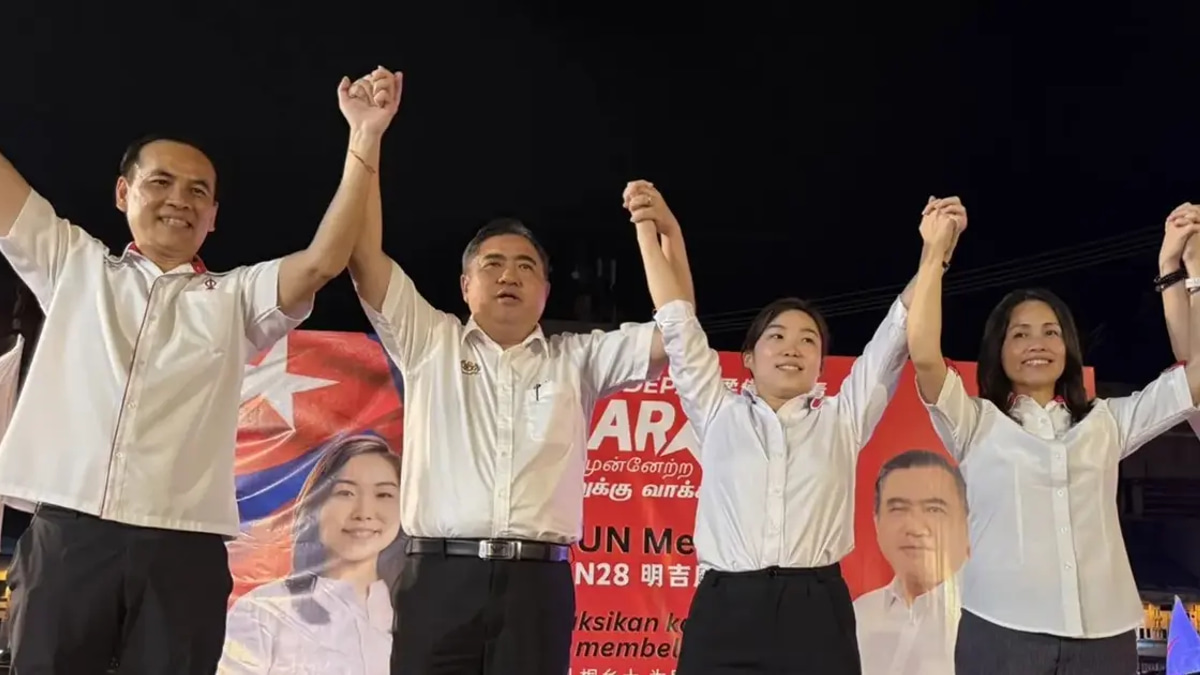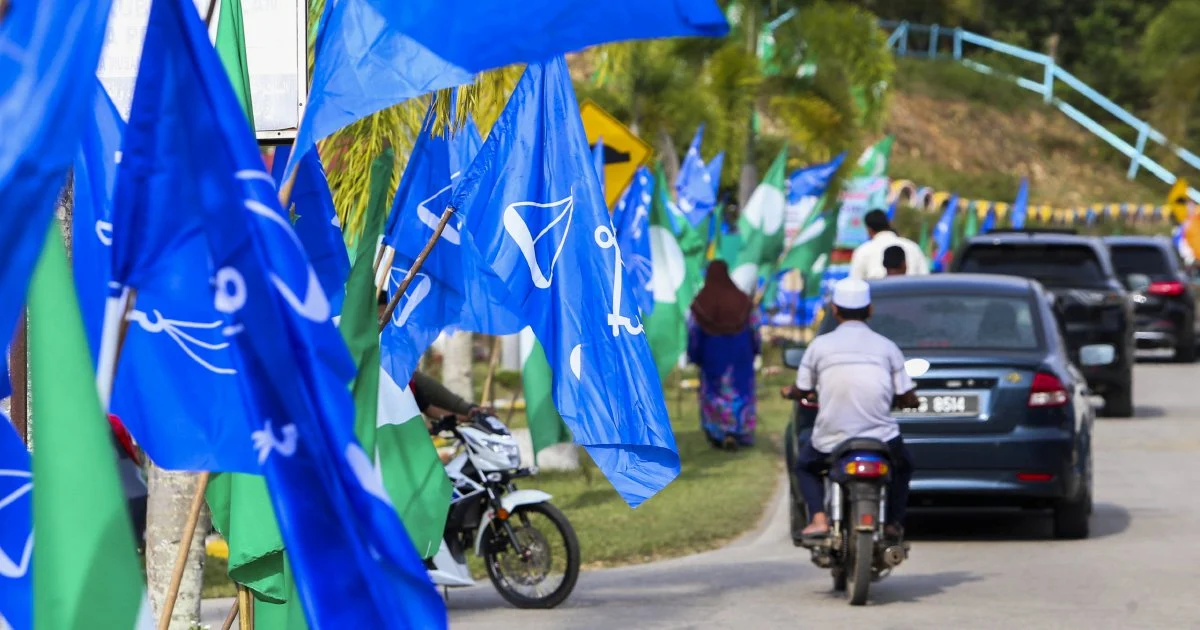
Malaysia's political calendar appears to be narrowing toward a late-year general election, according to senior PAS leadership. Datuk Mohd Amar Nik Abdullah, the Islamic party's vice-president, indicated during remarks in Kota Baru that GE16 is expected to materialise sometime between late October and November, providing one of the clearest timeline expectations from a major coalition partner in recent weeks.
The timeframe suggested by the PAS deputy reflects growing consensus within government circles about when Prime Minister Anwar Ibrahim may dissolve Parliament to trigger fresh elections. While no official announcement has been made, senior leaders across multiple parties have begun coordinating their organisational preparations around this anticipated window, suggesting private signals have been exchanged at leadership levels.
The October-November window carries particular significance for Malaysian electoral politics. A late-year campaign would allow the government to leverage any positive economic developments and policy announcements made throughout the year, while also positioning newly implemented initiatives as achievements worthy of voter endorsement. Conversely, opposition parties would need to accelerate their campaign machinery and candidate selection processes if they are serious about mounting competitive challenges in what remains a crowded political landscape.
For PAS specifically, the timing holds strategic importance. The Islamic party has emerged as a crucial component of the ruling coalition, commanding significant parliamentary numbers and wielding considerable influence over government policy direction, particularly on religious and social matters. An October-November election would allow the party to campaign on its role in shaping the administration's legislative agenda while issues remain fresh in public memory.
The political arithmetic surrounding GE16 remains fluid, with Malaysia's fractious coalition structure creating unpredictability. PAS's relationship with Umno within the Perikatan Nasional framework, the unity government's interdependence with DAP and PKR, and various state-level political complications all factor into when the government feels sufficiently confident to call elections. Datuk Mohd Amar's statement suggests internal confidence levels have reached a point where senior leaders feel comfortable discussing specific timeframes publicly.
Regional observers will be monitoring developments closely, as Malaysian elections often carry implications for Southeast Asian politics more broadly. A decisive government victory could stabilise Malaysia's governance trajectory, whereas a fractured outcome could introduce new variables into the region's political calculations. Neighbouring countries maintain interests in Malaysia's political stability, particularly regarding trade, investment, and regional security cooperation.
For Malaysian voters, an October-November election means campaign season would overlap with the year-end shopping period and approach to major festive celebrations. This timing, while logistically challenging for voter mobilisation, has historical precedent in Malaysian electoral history and reflects the compressed nature of constitutional requirements balancing when elections can be called.
The business community and investor sentiment may also shift once an election date is formally announced. Equity markets frequently display measurable reactions to political uncertainty resolution, and international investors monitoring Malaysia's macroeconomic outlook are likely awaiting clarity on the government's electoral fortunes before making major capital deployment decisions.
Opposition coalitions must simultaneously prepare for multiple scenarios. They need candidates, campaign strategies, and messaging ready regardless of whether elections arrive in October or slip into November, while also maintaining organisational morale without knowing the exact trigger date. This sustained campaign readiness mode, maintained across several months, can exhaust party resources and volunteer enthusiasm.
PAS's public articulation of timeline expectations may also serve to consolidate its coalition partners' resolve. By indicating confidence in a late-year election, the party reassures Umno and other coalition members that the machinery is functioning adequately and that electoral viability is anticipated rather than feared. Such messaging becomes self-reinforcing within coalition dynamics.
Historically, Malaysian governments have tended to call elections when confidence levels peak, whether measured through poll performance, policy wins, or organisational readiness. The October-November window represents a juncture where multiple factors—economic data, legislative accomplishments, organisational preparation, and seasonal considerations—are thought to align favourably for the incumbent coalition.
The implications extend beyond federal politics. State assemblies in several jurisdictions may face dissolution simultaneously if the government calculates that concurrent state and federal elections serve its strategic interests. This would fundamentally reshape campaign dynamics and resource allocation across Malaysian politics, requiring all parties to bifurcate their organisational efforts.

%22%2F%3E%3C%2Fpattern%3E%3C%2Fdefs%3E%3Crect%20width%3D%22100%25%22%20height%3D%22100%25%22%20fill%3D%22url(%23ph21o2sg)%22%2F%3E%3Crect%20width%3D%22100%25%22%20height%3D%22100%25%22%20fill%3D%22url(%23ph21o2sp)%22%2F%3E%3Ctext%20x%3D%2250%25%22%20y%3D%2250%25%22%20text-anchor%3D%22middle%22%20dominant-baseline%3D%22central%22%20fill%3D%22rgba(255%2C255%2C255%2C0.95)%22%20font-family%3D%22Georgia%2C%20'Times%20New%20Roman'%2C%20serif%22%20font-weight%3D%22700%22%20font-size%3D%22170%22%20letter-spacing%3D%22-0.02em%22%3EGabungan%3C%2Ftext%3E%3C%2Fsvg%3E)