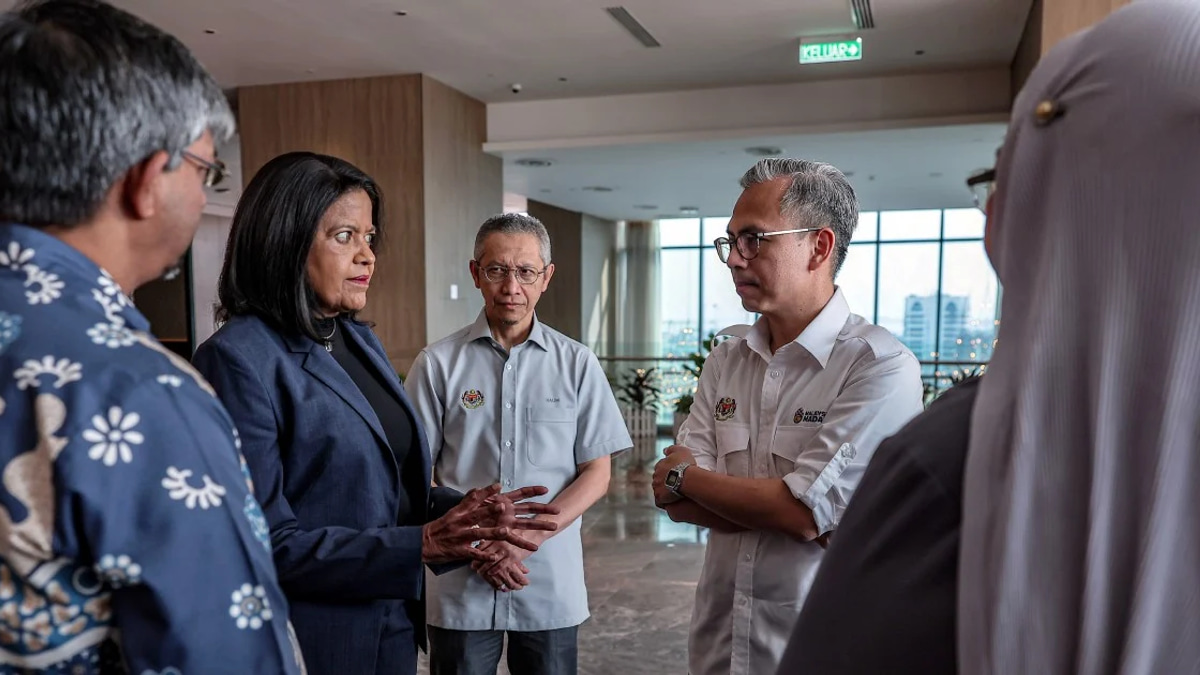
The Malaysian Media Council yesterday brought together scores of journalists from the country's northern states for an informal gathering in Butterworth, underscoring a deliberate shift toward regional engagement and away from the perception that the organisation is primarily focused on capital-based media practitioners. The dinner, held alongside the National Journalists' Day (HAWANA) 2026 celebrations, drew more than 50 representatives from Penang, Kedah, Perak and Perlis, alongside MMC board members and staff, creating a venue for candid dialogue between media professionals and council leadership.
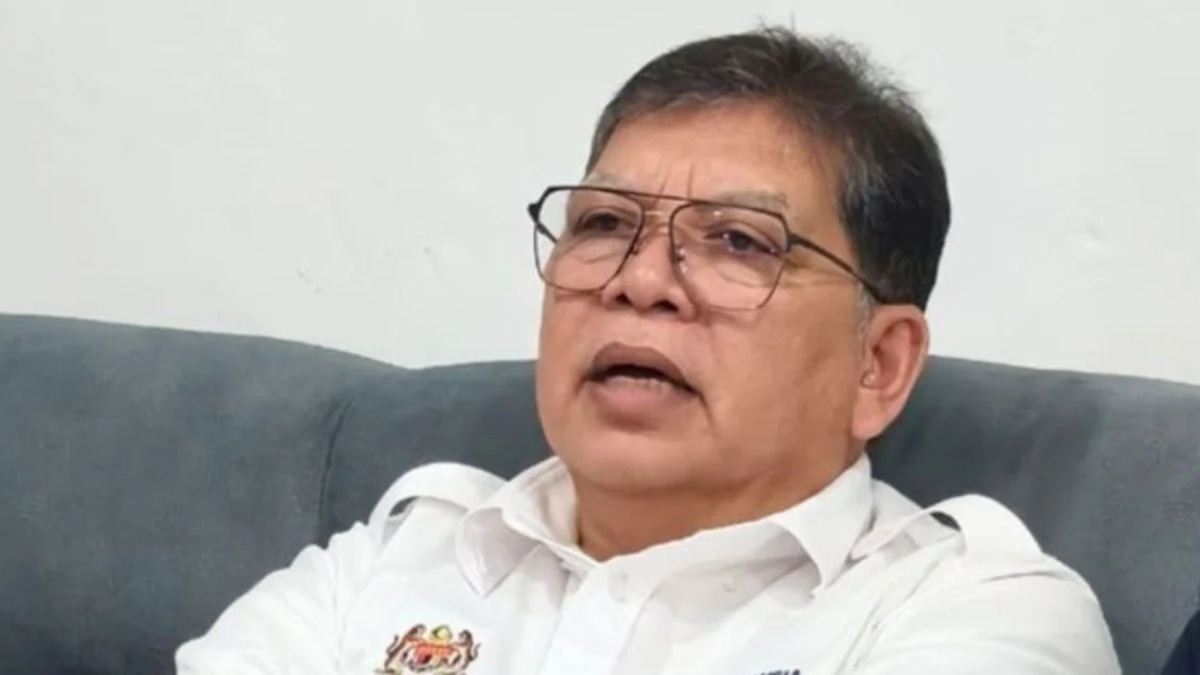
MMC secretary Radzi Razak emphasised that the gathering represented a strategic opportunity to dissolve geographical barriers that have historically separated the council from journalists operating outside the Klang Valley. The informal setting deliberately departed from formal institutional frameworks, allowing practitioners to voice concerns and engage with MMC officials in a more approachable environment. Radzi acknowledged that such visits to the northern region remain uncommon, making the alignment with the HAWANA highlight event in Butterworth a fortuitous moment to prioritise direct interaction with the broader media community.
The timing of the engagement carries particular significance given that Tan Sri Nallini Pathmanathan assumed the MMC chairmanship only five days before the event on June 15. Her appointment as the first woman to lead the council and her background as a former Federal Court judge brought fresh leadership to an organisation that oversees media standards and professional conduct. The Butterworth session functioned as an inaugural informal gathering between the new leadership and regional journalists, establishing relationships that will likely shape the council's agenda and priorities in coming months.
Radzi articulated a clear concern that had previously limited the MMC's credibility among non-metropolitan media professionals: the council risked being perceived as an organisation primarily serving journalists in the capital with limited relevance to those operating in other states. This perception, though perhaps unintentional, undermined the MMC's mandate to represent Malaysia's entire media community. By deliberately visiting regions and facilitating direct engagement, the council aims to demonstrate that its functions, oversight role, and support systems extend meaningfully to practitioners regardless of geography.
The session afforded journalists the opportunity to raise issues specific to their operating environments. Northern region media practitioners often face distinct challenges, including resource constraints, market fragmentation, and varying engagement with state governments and local authorities. By creating space for bilateral dialogue, the MMC signalled willingness to understand these regional nuances and to tailor its approach accordingly. Radzi emphasised that such conversations generate insights that purely Kuala Lumpur-based deliberations would miss, suggesting the council is serious about developing policies grounded in ground-level realities.
The council has committed to expanding this regional engagement strategy, with plans already underway for a Sarawak Media Conference scheduled for July. This progressive rollout across Malaysian states indicates that the Butterworth session was not an isolated public relations exercise but rather the initial phase of sustained outreach. Such systematic regional visitation builds institutional knowledge within the MMC while simultaneously strengthening bonds among media practitioners across different states, creating informal networks that can support industry-wide advocacy and knowledge-sharing.
The broader context of HAWANA 2026 positioned the MMC's engagement within a larger narrative about media integrity and professional standards. Prime Minister Datuk Seri Anwar Ibrahim officiated the main HAWANA event, which drew 1,000 journalists from Malaysia and internationally, with the overarching theme "Media Integrity Strengthens Credibility." This messaging reflects growing concerns about misinformation, declining trust in institutions, and the media's role in maintaining democratic accountability. The MMC's active engagement with practitioners signals its commitment to translating high-level integrity rhetoric into concrete relationships and support mechanisms.
For Southeast Asian observers, Malaysia's approach to council-media relations offers lessons regarding institutional legitimacy and regional representation. Media councils across the region often struggle with similar perception problems, being viewed as centralised bodies disconnected from grassroots journalism. The Malaysian example demonstrates how deliberate decentralisation of engagement, facilitation of informal dialogue, and acknowledgment of regional diversity can contribute to building credibility among journalists operating outside major metropolitan centres.
The move also reflects implicit acknowledgment that media challenges differ significantly across Malaysia's states. Journalists in Penang, Kedah, Perak and Perlis navigate different political landscapes, market conditions, and community dynamics compared to those in Kuala Lumpur. The northern region's specific economic profile, demographic composition, and governance structures create unique pressures on local newsrooms. An MMC that remains distant from these regional variations cannot effectively advocate for solutions tailored to practitioners' actual needs.
Radzi's emphasis on bilateral dialogue rather than top-down instruction represents a subtle but meaningful philosophical shift. Rather than positioning the MMC as an authority dispensing guidelines, the council frames itself as a convening body that learns from practitioners while also educating them about council functions. This reciprocal model strengthens institutional relationships and increases the likelihood that media professionals will view the MMC as relevant and responsive to their concerns rather than as a distant regulatory body.
The gathering also carries implications for media industry cohesion at a time when fragmentation threatens collective professional standards. By bringing journalists from multiple northern states into dialogue, the MMC facilitates networking and relationship-building that transcends individual newsroom boundaries. These connections can prove valuable when journalists confront shared challenges, whether related to press freedom, advertising market pressures, or ethical dilemmas requiring peer consultation.
Looking forward, the council's stated commitment to continue regional engagement sessions suggests a potentially transformative approach to media governance in Malaysia. If sustained genuinely rather than performed symbolically, such outreach could reshape perceptions of the MMC among practitioners and establish the council as a body genuinely representative of Malaysia's geographically dispersed media community. The Butterworth gathering marks an important inflection point in the council's relationship with journalists outside the capital, signalling that institutional priorities are shifting toward inclusivity and regional responsiveness.