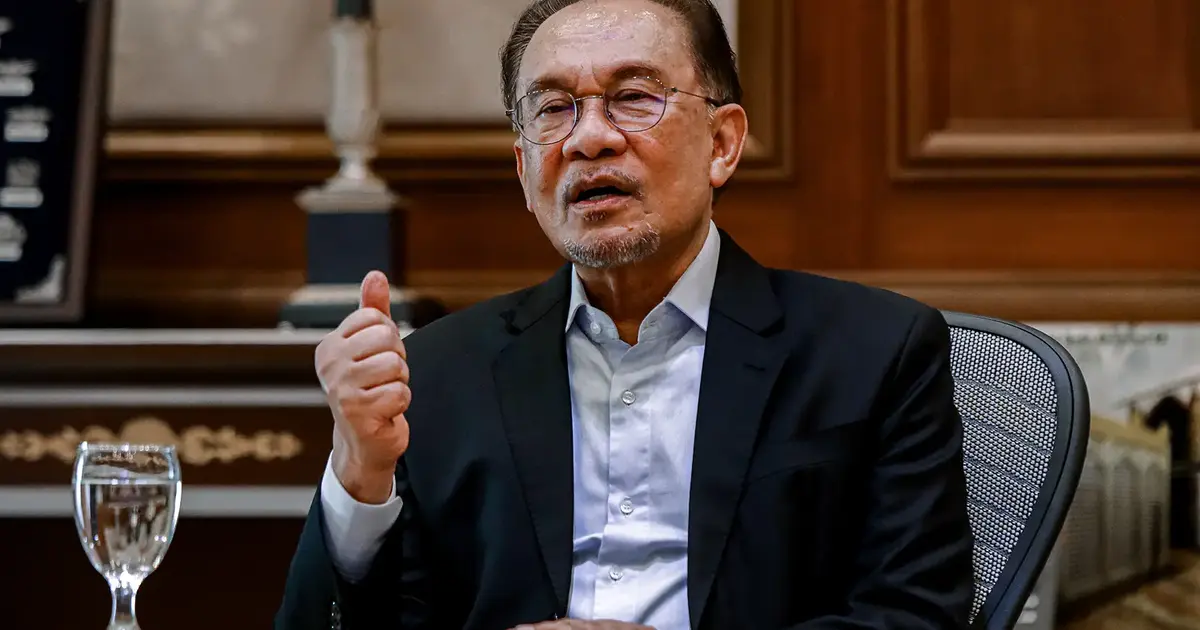
Prime Minister Anwar Ibrahim has issued a strong statement asserting that Malaysia and other developing countries will no longer tolerate what he characterises as discriminatory or unjust treatment from European nations, signalling a more assertive approach to international relations and trade negotiations.
In remarks underscoring growing frustration within the developing world over what many perceive as double standards in global governance, Anwar pointed to Malaysia's current defence-related dispute with Norway as a concrete example of how wealthy, established economies sometimes apply different standards to countries from the Global South. The dispute has become emblematic of broader tensions between developed and developing nations over commercial practices, environmental standards, and geopolitical influence.
The prime minister's comments reflect a wider sentiment gaining traction across Southeast Asia and the developing world—that while European nations frequently invoke principles of fairness, transparency, and rule-based order in their dealings, these principles are not consistently applied across all trading partners. Malaysia's experience with Norway demonstrates how disagreements in the defence sector can quickly escalate into broader economic or diplomatic friction when handled without genuine dialogue or mutual respect.
Anwar's assertion carries particular weight given Malaysia's role as a significant player in regional diplomacy and a member of the Association of Southeast Asian Nations, which collectively represents over 600 million people and substantial economic influence. His statement suggests that Southeast Asian nations are increasingly willing to challenge what they view as unfair European positions, rather than defaulting to deference toward the world's traditional power centers.
The defence dispute with Norway, though initially technical in nature, has evolved into a test case of whether smaller nations can stand firm on matters they consider essential to sovereignty or strategic interests without facing disproportionate economic consequences. Malaysia's willingness to seek alternative solutions indicates the country is prepared to diversify its international partnerships and reduce reliance on traditional Western partners if fair treatment is not forthcoming.
This posture aligns with Malaysia's broader geopolitical strategy of maintaining strategic autonomy and cultivating relationships across multiple regions. Rather than being locked into relationships with any single bloc, Malaysian policymakers increasingly emphasise the importance of pragmatic engagement with partners who offer genuine mutual benefit without condescension or hidden agendas. The European Union and its member states remain important trading and diplomatic partners, but not at the cost of Malaysia's dignity or interests.
The prime minister's remarks also underscore the reality that developing nations have accumulated greater economic and political leverage than in previous decades. Many Southeast Asian countries now possess diversified export bases, growing consumer markets, and crucial roles in global supply chains. This shifts the balance of power in negotiations, giving nations like Malaysia greater capacity to walk away from unfavourable arrangements and pursue alternatives through other regional and international partnerships.
For Malaysian businesses and policymakers, Anwar's statement provides reassurance that the government will actively defend national interests in international forums rather than passively accepting terms dictated by more powerful economies. This approach can encourage domestic industries to compete globally with confidence, knowing they have government backing in disputes with foreign counterparts who might otherwise leverage their size or developed-market status.
The implications extend beyond Malaysia to other developing nations in Southeast Asia and globally. If major developing countries successfully push back against what they perceive as unfair European policies, it could establish important precedents for more equitable international relations. This might pressure European governments and businesses to recalibrate their strategies, recognising that treating developing-world partners with genuine respect and fairness produces better long-term outcomes than relying on their historical advantages.
However, Anwar's resolute stance also carries risks. Escalating disputes with developed economies requires careful diplomatic management to avoid unnecessary damage to relationships that offer genuine benefits to Malaysia. The country must balance assertiveness with pragmatism, ensuring that defence of national interests does not slide into counterproductive confrontation or isolation from important markets and partners.
Looking ahead, Malaysia's approach to the Norway dispute and similar European disagreements will signal to other regional powers how seriously Kuala Lumpur takes the principle of equitable treatment in international affairs. If Malaysia successfully secures a resolution that it considers fair, it will strengthen the broader message that developing nations can negotiate with confidence. Conversely, how Malaysia handles any eventual compromise will also demonstrate whether its tough rhetoric translates into effective diplomacy.
The prime minister's comments ultimately reflect a maturing relationship between developed and developing nations—one where the latter increasingly refuse to accept a subordinate role in global negotiations and demand that principles of fairness apply universally, not selectively based on economic power or historical dominance.

%22%2F%3E%3C%2Fpattern%3E%3C%2Fdefs%3E%3Crect%20width%3D%22100%25%22%20height%3D%22100%25%22%20fill%3D%22url(%23ph21o2sg)%22%2F%3E%3Crect%20width%3D%22100%25%22%20height%3D%22100%25%22%20fill%3D%22url(%23ph21o2sp)%22%2F%3E%3Ctext%20x%3D%2250%25%22%20y%3D%2250%25%22%20text-anchor%3D%22middle%22%20dominant-baseline%3D%22central%22%20fill%3D%22rgba(255%2C255%2C255%2C0.95)%22%20font-family%3D%22Georgia%2C%20'Times%20New%20Roman'%2C%20serif%22%20font-weight%3D%22700%22%20font-size%3D%22170%22%20letter-spacing%3D%22-0.02em%22%3EGabungan%3C%2Ftext%3E%3C%2Fsvg%3E)