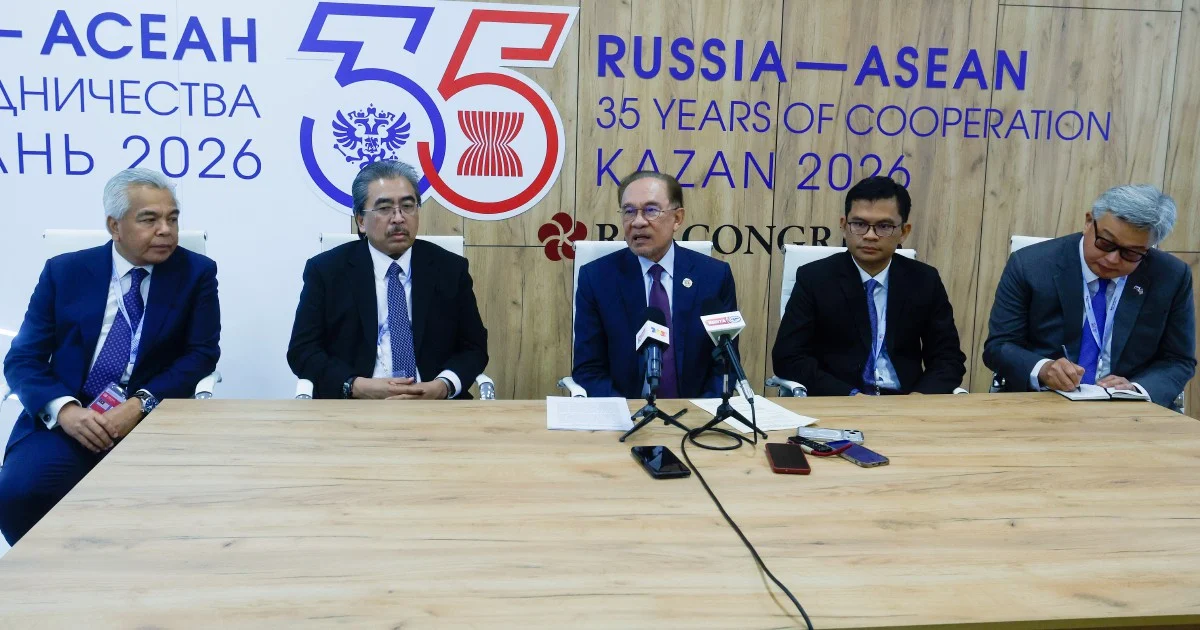
Prime Minister Datuk Seri Anwar Ibrahim has instructed government officials to hasten the implementation of visa-free travel arrangements for Russian citizens visiting Malaysia, framing the decision as a critical component in the nation's broader tourism recovery strategy. Speaking in Kazan, the Prime Minister emphasised the urgency of removing visa barriers to attract Russian tourists, particularly as Malaysia seeks to rebuild its international visitor numbers following the pandemic-related downturn that severely impacted the hospitality and tourism sectors.
The directive represents a significant policy shift aimed at diversifying Malaysia's tourist source markets at a time when traditional markets remain unpredictable. Russia has historically been a growing source of visitors to Southeast Asia, with Middle Eastern and Eastern European nations increasingly contributing to the region's tourism statistics. By eliminating visa requirements, Malaysia positions itself competitively against other regional destinations that have similarly streamlined their entry procedures for Russian nationals in recent years.
The timing of this announcement carries geopolitical undertones, with Anwar's statement made during a visit to the Russian city, signalling Malaysia's intent to strengthen bilateral ties with Moscow beyond traditional economic partnerships. Tourism facilitation often serves as a soft power tool, creating cultural exchanges and people-to-people connections that underpin stronger diplomatic relationships. The Malaysian government appears to recognise that welcoming Russian visitors can deepen mutual understanding and commercial opportunities between the two nations.
From an economic perspective, Russian tourism dollars carry substantial weight for Malaysia's hospitality industry. Middle-income and affluent Russian travellers typically spend significantly during their stays, patronising upmarket hotels, dining establishments, and entertainment venues, with particular concentration in Kuala Lumpur, the Petronas Twin Towers area, and coastal destinations like Langkawi and Penang. A streamlined visa process could unlock previously untapped spending potential in these sectors, providing multiplier effects across related industries including retail, food service, and transportation.
The visa-free arrangement aligns with Malaysia's broader regional positioning within the Association of Southeast Asian Nations context. Several ASEAN members have already implemented reciprocal visa-free or visa-on-arrival facilities with Russia, and Malaysia's move ensures the country remains competitive within the bloc's tourism landscape. This competitive dimension is particularly relevant as Thailand, Indonesia, and Vietnam continuously innovate their visa policies to attract diverse international visitor demographics.
Implementation challenges remain, however. Security and immigration officials must establish protocols ensuring that visa-free entry does not compromise national security vetting procedures. The Malaysian government will need to balance openness with due diligence, potentially implementing pre-screening mechanisms or establishing clear conditions for entry. These administrative considerations could influence the actual timeline for full deployment despite the Prime Minister's expedited directive.
The Russian market represents approximately 150,000 to 200,000 potential annual visitors, depending on economic conditions and currency exchange fluctuations. Recovery of this segment could significantly contribute to Malaysia's Tourism Board targets for the year, particularly if other source markets remain sluggish. The initiative also signals confidence in Malaysia's ability to absorb and welcome growing visitor volumes, suggesting the government believes domestic infrastructure and service capacity can accommodate increased arrivals.
Regionally, the announcement may inspire similar moves from other ASEAN nations or influence their decisions regarding Russian tourism facilitation. It demonstrates how individual member states pursue independent foreign policy objectives through economic and tourism channels, contributing to the broader Southeast Asian narrative of openness and engagement with diverse international partners. Malaysia's proactive stance distinguishes it within the regional tourism competition.
For Malaysian businesses dependent on tourism, the directive offers genuine opportunities for growth. Hotels, restaurants, travel agencies, and attraction operators can anticipate increased demand from Russian-speaking visitors, potentially justifying investments in multilingual staff hiring, translated materials, and culturally-informed service adaptations. Small and medium-sized tourism enterprises stand to benefit significantly if the anticipated visitor increase materialises.
The implementation timeline remains to be clarified by relevant government agencies, but Anwar's direct intervention suggests high-level political priority. Tourism Ministry officials and immigration authorities will coordinate to establish the practical mechanics of visa-free entry, including any supporting requirements or limitations. The Prime Minister's emphasis on urgency implies government expects rollout within months rather than years.
Longer-term, this initiative reflects Malaysia's strategic calculation that tourism recovery is essential for broader economic objectives. With the sector's significant contribution to GDP, foreign exchange earnings, and employment, facilitating visitor access becomes a fundamental component of economic policy. The visa-free arrangement for Russians exemplifies how Malaysia leverages diplomatic relationships and regulatory flexibility to pursue tangible economic outcomes.
The move also underscores Anwar's administration's commitment to pragmatic, business-focused governance, prioritising concrete economic benefits over ideological considerations. By focusing on tourism sector revitalisation, the government addresses concerns about employment, foreign investment, and growth that resonate broadly across Malaysian society. This announcement suggests further bilateral tourism initiatives with other nations may follow as the government identifies untapped visitor markets.

%22%2F%3E%3C%2Fpattern%3E%3C%2Fdefs%3E%3Crect%20width%3D%22100%25%22%20height%3D%22100%25%22%20fill%3D%22url(%23ph21o2sg)%22%2F%3E%3Crect%20width%3D%22100%25%22%20height%3D%22100%25%22%20fill%3D%22url(%23ph21o2sp)%22%2F%3E%3Ctext%20x%3D%2250%25%22%20y%3D%2250%25%22%20text-anchor%3D%22middle%22%20dominant-baseline%3D%22central%22%20fill%3D%22rgba(255%2C255%2C255%2C0.95)%22%20font-family%3D%22Georgia%2C%20'Times%20New%20Roman'%2C%20serif%22%20font-weight%3D%22700%22%20font-size%3D%22170%22%20letter-spacing%3D%22-0.02em%22%3EGabungan%3C%2Ftext%3E%3C%2Fsvg%3E)