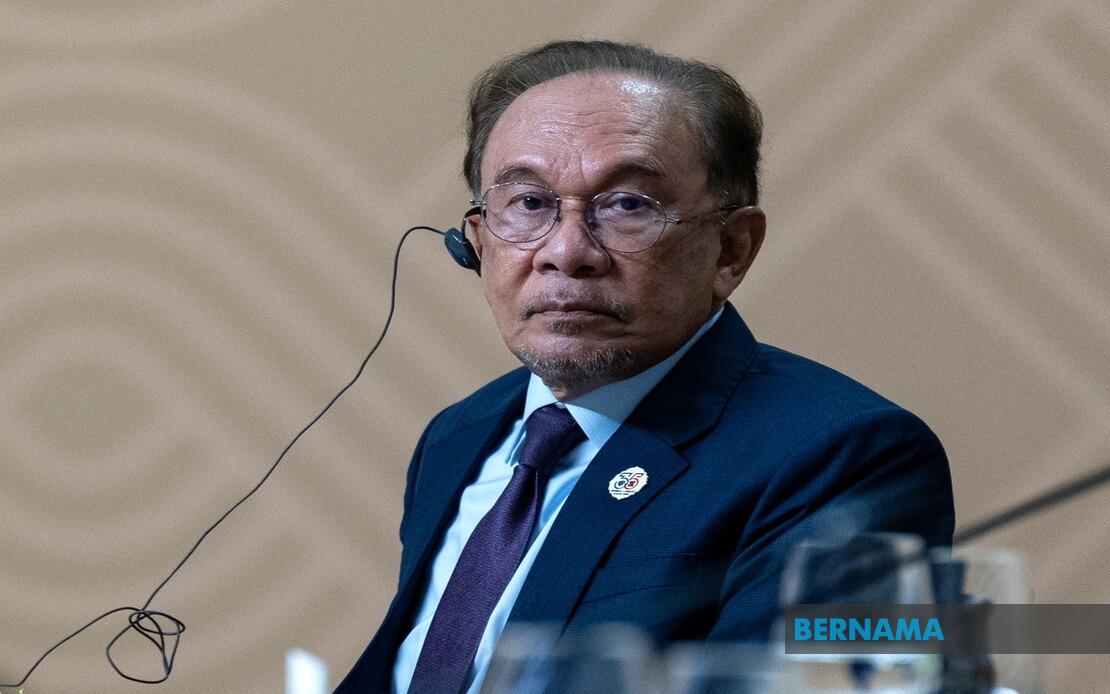
Malaysia has thrown its weight behind efforts to broker peace between the United States and Iran, with Prime Minister Datuk Seri Anwar Ibrahim voicing genuine optimism that a memorandum of understanding could break the impasse that has characterised West Asian geopolitics for decades. Speaking at the 35th ASEAN-Russia Commemorative Summit in Kazan on Thursday, Anwar outlined his conviction that the current negotiating process represents a genuine opportunity for regional stability, moving beyond years of escalating tensions and proxy conflicts that have destabilised the Middle East and threatened international commerce through critical sea lanes.
The timeframe driving this diplomatic push is remarkably compressed. Both parties have committed to finalising a comprehensive agreement within 60 days—a window that Anwar acknowledged is tight yet appears workable based on preliminary indicators. This deadline structure suggests serious intent from negotiators on both sides, creating pressure that might actually facilitate breakthroughs by concentrating minds on essential compromises rather than allowing discussions to drift indefinitely. For Malaysia and Southeast Asia more broadly, the stakes are substantial; prolonged Middle Eastern instability reverberates through shipping routes, energy prices, and regional security architectures that directly affect Malaysian commerce and geopolitical positioning.
Anwar's optimism draws substantially from direct intelligence rather than mere diplomatic pleasantries. Pakistani Prime Minister Shehbaz Sharif, who has emerged as a crucial intermediary in these negotiations, conveyed detailed updates to Anwar regarding the trajectory of discussions. According to Anwar, Sharif reported that negotiators have engaged comprehensively at every stage, with conversations characterised by genuine depth rather than superficial positioning. This granular involvement from a respected Muslim-majority nation carries particular weight in regional diplomacy, suggesting that substantive progress is occurring behind closed doors even as formal announcements remain measured.
Russian President Vladimir Putin's perspective, shared during Anwar's bilateral discussions, reinforced this assessment. Moscow's backing for the negotiating process, despite its own regional interests and historical alliance patterns, signals that a US-Iran agreement could satisfy broader international security concerns. Russia's endorsement carries significance because it indicates the deal's architecture is addressing not merely bilateral US-Iranian issues but also the regional power balance that Moscow carefully monitors. For a leader like Anwar navigating Malaysia's own foreign policy between major powers, Putin's constructive stance suggests the emerging agreement enjoys sufficient international legitimacy to stick.
Yet Anwar demonstrated prudent caution by acknowledging the unpredictability inherent in dealing with the Trump administration. The United States under Donald Trump has previously withdrawn from agreements deemed disadvantageous—most notably the Iran nuclear deal in 2018—creating legitimate uncertainty about whether commitments made by American negotiators will survive unchanged political winds. This reservation reflects hardnosed realism about American political cycles and the ideological divisions that can render executive agreements vulnerable to reversal. Malaysian policymakers have learned through experience that diplomatic certainty requires durable institutional frameworks rather than reliance on individual leadership alignments.
The potential breakthrough carries profound implications for Malaysia specifically. A stabilised West Asia would ease energy market volatility; Malaysia imports substantial quantities of crude oil, and regional instability directly pressurises petrol prices that affect every consumer and business. The Strait of Hormuz, through which roughly one-third of seaborne traded oil passes, remains vulnerable to disruption during periods of US-Iran hostility. Normalisation would reduce insurance costs for shipping and decrease the risk premium embedded in energy futures that ultimately reach Malaysian consumers at the pump.
Beyond economic calculations, Malaysia's stated commitment to peaceful conflict resolution aligns authentically with supporting these negotiations. The country's diplomatic tradition emphasises regional stability and non-interference in internal affairs, positioning it naturally as a supporter of negotiated settlements over military confrontation. Anwar's public backing of the US-Iran process demonstrates that Malaysia intends to be constructive on matters affecting Asian security and prosperity, even when direct Malaysian interests are not primary drivers. This posture enhances Malaysia's credibility among both Western and non-aligned nations as a serious regional player pursuing genuine development rather than narrow advantage.
The ASEAN-Russia summit providing the venue for Anwar's statements underscores an important dimension often overlooked in coverage focused on bilateral US-Iran dynamics. Southeast Asian nations increasingly seek to maintain equitable engagement with multiple global powers rather than aligning exclusively with any single bloc. By publicly supporting international peace efforts while meeting with Russian leadership, Malaysia exemplifies this balancing approach. The region's prosperity depends on open trade routes and predictable international conduct; therefore Southeast Asian voices advocating for de-escalation carry weight precisely because they lack direct stakes in Middle Eastern power competitions.
The 60-day deadline functions strategically as both constraint and opportunity. A compressed timeline prevents negotiations from becoming indefinitely protracted, yet also raises stakes sufficiently that parties cannot indefinitely delay difficult decisions. For Malaysian observers tracking international diplomacy, this structure suggests that either substantial agreement emerges within weeks or negotiations collapse, resetting regional expectations fundamentally. There is little middle ground in such structured timelines—success or failure becomes unmistakable, without ambiguous partial progress creating false hope.
Anwar's comments reflect Malaysia's mature approach to complex international affairs. Rather than offering unsolicited mediation or taking public stances that complicate negotiations, Malaysian diplomacy instead offers measured support for genuine progress while maintaining careful neutrality regarding blame if discussions ultimately fail. This approach protects Malaysian credibility and relationships with all parties while demonstrating commitment to peaceful resolution. As the 60-day window begins its countdown, Malaysia's diplomatic backing—informed and calibrated rather than effusive—contributes meaningfully to the international environment within which negotiators operate.

%22%2F%3E%3C%2Fpattern%3E%3C%2Fdefs%3E%3Crect%20width%3D%22100%25%22%20height%3D%22100%25%22%20fill%3D%22url(%23ph21o2sg)%22%2F%3E%3Crect%20width%3D%22100%25%22%20height%3D%22100%25%22%20fill%3D%22url(%23ph21o2sp)%22%2F%3E%3Ctext%20x%3D%2250%25%22%20y%3D%2250%25%22%20text-anchor%3D%22middle%22%20dominant-baseline%3D%22central%22%20fill%3D%22rgba(255%2C255%2C255%2C0.95)%22%20font-family%3D%22Georgia%2C%20'Times%20New%20Roman'%2C%20serif%22%20font-weight%3D%22700%22%20font-size%3D%22170%22%20letter-spacing%3D%22-0.02em%22%3EGabungan%3C%2Ftext%3E%3C%2Fsvg%3E)