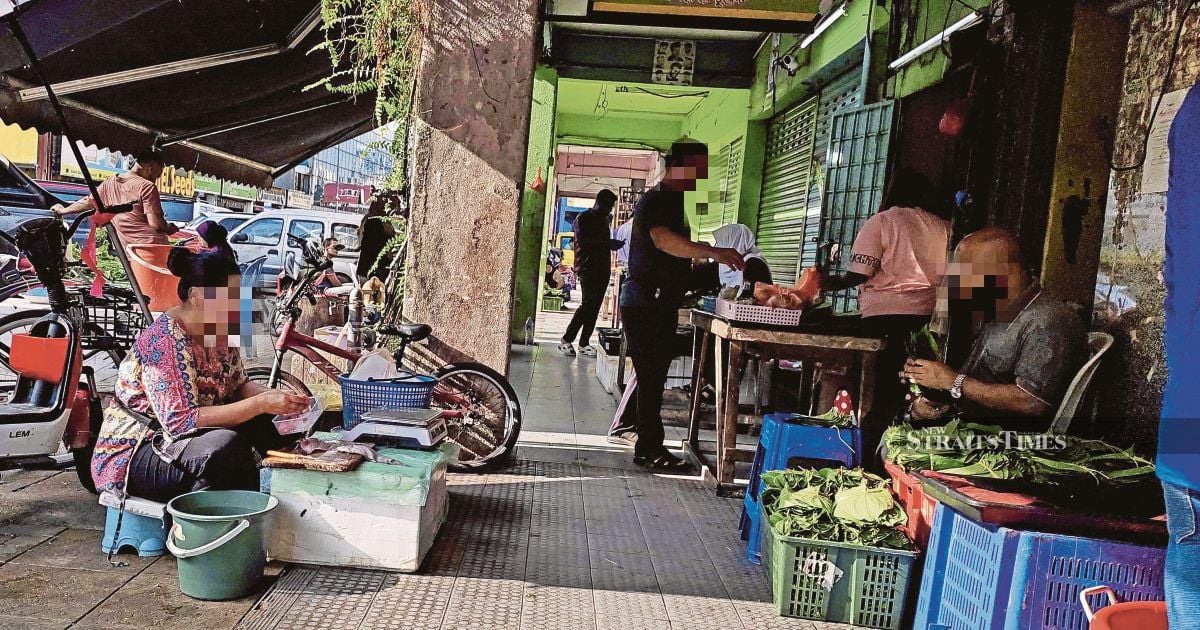
Malaysia's government has appealed to citizens to embrace values of empathy and human dignity in their engagement with the Rohingya population residing in the country, even as discourse around the community has intensified across public forums and media outlets. The statement from Putrajaya reflects an attempt to navigate a delicate political terrain where competing narratives about refugee welfare, national security, and social cohesion have created mounting tensions.
The appeal underscores a growing recognition within government circles that the Rohingya question demands nuanced policy responses rather than polarised rhetoric. Officials have been conscious that public sentiment can shift rapidly on humanitarian issues, particularly when media coverage becomes sensationalised or when social media amplifies grievances from various quarters. By invoking principles of compassion alongside legal considerations, the administration signals its intent to pursue a middle path that acknowledges both the legitimate vulnerabilities of an ethnic minority facing persecution and the sovereign right of Malaysia to manage its borders and immigration frameworks.
This balancing act carries particular weight in Malaysia's context, where the country has historically positioned itself as a haven for displaced populations whilst simultaneously managing substantial irregular migration flows. The Rohingya presence in Malaysia, numbering in the hundreds of thousands according to various estimates, represents one of the world's largest concentrations of this stateless population outside camps in neighbouring Bangladesh. Yet Malaysia is not a signatory to the 1951 Refugee Convention, which means Rohingya individuals lack formal legal status and remain vulnerable to detention and deportation despite their desperate circumstances.
The government's call for restraint and empathy appears calibrated to address mounting public frustration that has surfaced in recent months. News reports and social media discussions have highlighted concerns about resource allocation, perceived criminality linked to undocumented populations, and the strain on urban infrastructure in areas where Rohingya communities have concentrated. Simultaneously, rights advocates and humanitarian organisations have documented cases of exploitation, trafficking, and abuse affecting vulnerable individuals within these communities, creating a morally complex situation that resists simple solutions.
For Malaysian policymakers, the challenge involves satisfying multiple constituencies with divergent interests. Nationalist segments of the electorate demand stricter enforcement and reduced tolerance for undocumented migrants. Business interests, particularly in construction and domestic work sectors, rely substantially on migrant labour. International observers and human rights bodies scrutinise Malaysia's treatment of displaced populations. Religious leaders invoke Islamic values of sanctuary and brotherhood. This constellation of pressures makes sweeping policy changes difficult, even when consensus might exist that current arrangements are unsustainable.
The invocation of humanitarian principles by government representatives also reflects Malaysia's position as a regional economic powerhouse and aspiring middle-income nation that seeks standing in global affairs. Allowing public discourse to become purely punitive or exclusionary could damage Malaysia's international reputation and invite criticism from neighbouring countries and the international community. Conversely, overly permissive approaches risk generating domestic backlash that could destabilise coalition governments reliant on narrow parliamentary majorities.
Understanding the practical realities facing Rohingya individuals in Malaysia provides important context for the government's position. Most lack access to formal education, meaningful employment, or healthcare beyond emergency services. Children born in Malaysia to Rohingya parents remain stateless and unable to obtain citizenship or travel documents. Makeshift settlements in urban areas often lack basic sanitation and safety infrastructure. Criminal networks exploit these populations for labour trafficking, forced begging, and document forgery schemes. These conditions breed vulnerability, desperation, and sometimes contribute to the very security concerns that opponents of refugee integration cite.
The government's emphasis on humanitarian values also implicitly acknowledges that many Rohingya individuals pose no security threat and are themselves victims deserving of basic dignity and protection from abuse. Blanket criminalisation or dehumanising rhetoric creates conditions under which exploitation flourishes and vulnerable populations become further marginalised. A framework emphasising shared humanity, the minister's statement suggests, might enable more effective integration policies and community-level cooperation on practical issues.
Moving forward, the sustainability of Malaysia's approach depends on developing comprehensive policies that recognise both constraints and possibilities. This might include formalising pathways for education and work permits for established communities, strengthening protections against trafficking and exploitation, enhancing coordination with UNHCR and international partners, and communicating transparently with Malaysian citizens about the demographic and economic realities of refugee populations. Such measures would operationalise the balance between legal order and humanitarian concern that the government has articulated.
The broader significance of Malaysia's position extends beyond its borders. As a regional leader navigating the tensions between sovereignty and humanitarian obligation, Malaysia's approach to the Rohingya question will influence how other Southeast Asian nations address displacement crises. The government's reminder about maintaining compassion suggests recognition that moral frameworks matter alongside legal instruments in building societies that are both secure and just.

%22%2F%3E%3C%2Fpattern%3E%3C%2Fdefs%3E%3Crect%20width%3D%22100%25%22%20height%3D%22100%25%22%20fill%3D%22url(%23ph21o2sg)%22%2F%3E%3Crect%20width%3D%22100%25%22%20height%3D%22100%25%22%20fill%3D%22url(%23ph21o2sp)%22%2F%3E%3Ctext%20x%3D%2250%25%22%20y%3D%2250%25%22%20text-anchor%3D%22middle%22%20dominant-baseline%3D%22central%22%20fill%3D%22rgba(255%2C255%2C255%2C0.95)%22%20font-family%3D%22Georgia%2C%20'Times%20New%20Roman'%2C%20serif%22%20font-weight%3D%22700%22%20font-size%3D%22170%22%20letter-spacing%3D%22-0.02em%22%3EGabungan%3C%2Ftext%3E%3C%2Fsvg%3E)