Malaysia has thrown its diplomatic weight behind the nascent understanding between the United States and Iran aimed at terminating their prolonged hostilities, with Prime Minister Datuk Seri Anwar Ibrahim voicing qualified optimism about the trajectory of negotiations. Speaking through social media on June 15, Anwar welcomed the announcement that both nations intend to formalise their accord through a memorandum of understanding in the coming days, signalling Malaysia's readiness to participate in regional stabilisation efforts stemming from such a breakthrough.
The Malaysian premier took particular care to acknowledge the crucial intermediary role played by Pakistan in facilitating this understanding, underscoring how South Asian diplomatic engagement has proven instrumental in bridging the chasm between Washington and Tehran. This recognition reflects Malaysia's understanding of how multilateral mediation involving trusted regional actors can unlock seemingly intractable geopolitical deadlocks. By publicly crediting Pakistan, Anwar has reinforced the principle that cooperative diplomacy transcends traditional bloc alignments and demonstrates the value of neutral brokers in resolving international disputes.
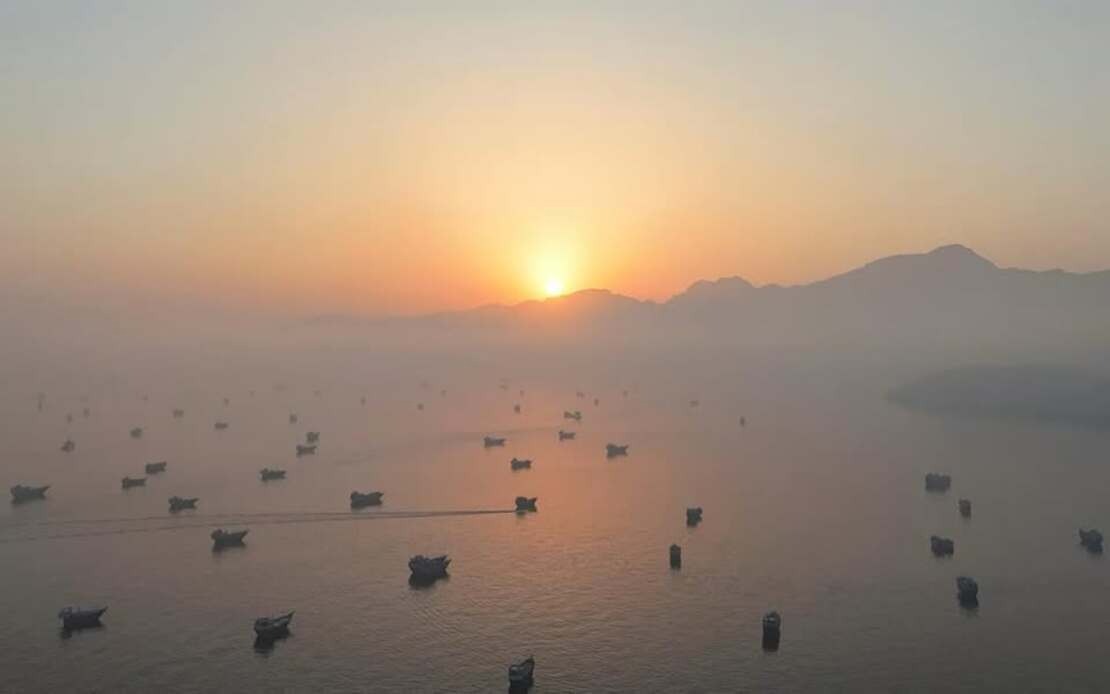
At the heart of Anwar's statement lies an insistent focus on the Strait of Hormuz, one of the world's most strategically vital maritime passages and a lifeline for global commerce. He characterised the waterway as a critical artery through which energy supplies and international trade flow, making its secure operation essential not merely to regional stability but to the functioning of the global economy itself. The continued blockade or disruption of shipping through these narrows carries profound consequences for economies far beyond the Middle East, including Southeast Asia's energy-dependent nations, which rely heavily on stable crude oil supplies transiting this chokepoint.
Anwar's emphasis on the urgency of reopening the Strait reflects Malaysia's acute sensitivity to supply chain vulnerabilities and energy price volatility. For a nation whose economy remains substantially reliant on petroleum imports and whose manufacturing sector depends on stable energy costs, any protracted disruption of this maritime corridor poses immediate material risks. His characterisation of prolonged closure as serving "no one" represents both a pragmatic assessment and an implicit warning that maintaining blockades ultimately harms all parties, including those imposing them, through economic attrition and inflationary pressures.
The Prime Minister carefully calibrated his remarks to emphasise the transitional nature of this moment, urging all parties to proceed with good faith negotiations and avoid actions that might resurrect dormant hostilities. This language suggests Malaysian awareness that understandings between adversaries remain fragile until institutionalised through formal agreements and verified compliance mechanisms. By stressing the need to translate understanding into "durable peace settlement", Anwar acknowledged that initial agreements often falter during implementation unless accompanied by sustained political commitment and international oversight.
Crucially, Anwar called upon external actors—a diplomatic formulation clearly encompassing third parties with interests in the region—to refrain from provocative actions that could undermine the emerging détente. This appeal reflects Malaysian concern about the multiplicity of external powers with strategic stakes in Middle Eastern stability, from European nations to China and India, all of whose economic interests depend on unimpeded maritime trade. The risk that any single actor might pursue narrow national advantage at the expense of regional peace remains considerable, necessitating collective restraint.
Malaysia's positioning of itself as ready to support "efforts towards a just and lasting settlement" represents more than rhetorical support. As a nation with historical diplomatic credibility in the Non-Aligned Movement and as a voice for the Global South, Malaysia can lend weight to international consensus-building around implementation mechanisms, confidence-building measures, and verification protocols that might otherwise be dismissed as partisan. This offer of constructive engagement suggests Malaysia could facilitate talks, host negotiations, or contribute technical expertise to monitoring arrangements.
The statement arrives against the backdrop of US President Donald Trump's announcement that an agreement with Iran had been finalised, with authorization given for reopening the Strait and lifting the American naval blockade. This represents a significant shift in Washington's Iran policy and opens the possibility of broader regional realignment. For Malaysia and other Southeast Asian nations, the implications are substantial: renewed maritime security, potentially lower energy costs, and the prospect of a less militarised Middle East reducing risks of broader conflict escalation.
Malaysia's measured endorsement reflects the country's broader foreign policy orientation toward pragmatic engagement across ideological and geopolitical divides. Unlike nations locked into rigid alliance structures, Malaysia has cultivated relationships with both Western powers and non-aligned states, positioning itself as a bridge-builder capable of understanding diverse perspectives. This statement reinforces that positioning while advancing tangible Malaysian interests in regional stability and economic continuity.
The timing of Anwar's intervention also carries significance, coming as Malaysia prepares for heightened regional engagement in Southeast Asia. A more stable Middle East reduces security pressures on shipping lanes affecting ASEAN, creates opportunities for expanded trade and investment partnerships, and potentially opens diplomatic space for Malaysia to exercise greater influence in regional affairs. Anwar's careful framing as a voice for sustainable peace rather than factional alignment strengthens Malaysia's capacity to play constructive roles in future regional disputes.
Looking ahead, Malaysia's ability to translate this rhetorical support into concrete diplomatic contributions will depend on how the US-Iran understanding evolves and whether international mechanisms for verifying compliance emerge. Should Malaysia be called upon to participate in monitoring arrangements or confidence-building measures, the country's reputation for neutrality and technical competence could prove valuable. The coming weeks will test whether this understanding truly represents a durable shift or merely a temporary convergence of interests.

%22%2F%3E%3C%2Fpattern%3E%3C%2Fdefs%3E%3Crect%20width%3D%22100%25%22%20height%3D%22100%25%22%20fill%3D%22url(%23ph21o2sg)%22%2F%3E%3Crect%20width%3D%22100%25%22%20height%3D%22100%25%22%20fill%3D%22url(%23ph21o2sp)%22%2F%3E%3Ctext%20x%3D%2250%25%22%20y%3D%2250%25%22%20text-anchor%3D%22middle%22%20dominant-baseline%3D%22central%22%20fill%3D%22rgba(255%2C255%2C255%2C0.95)%22%20font-family%3D%22Georgia%2C%20'Times%20New%20Roman'%2C%20serif%22%20font-weight%3D%22700%22%20font-size%3D%22170%22%20letter-spacing%3D%22-0.02em%22%3EGabungan%3C%2Ftext%3E%3C%2Fsvg%3E)