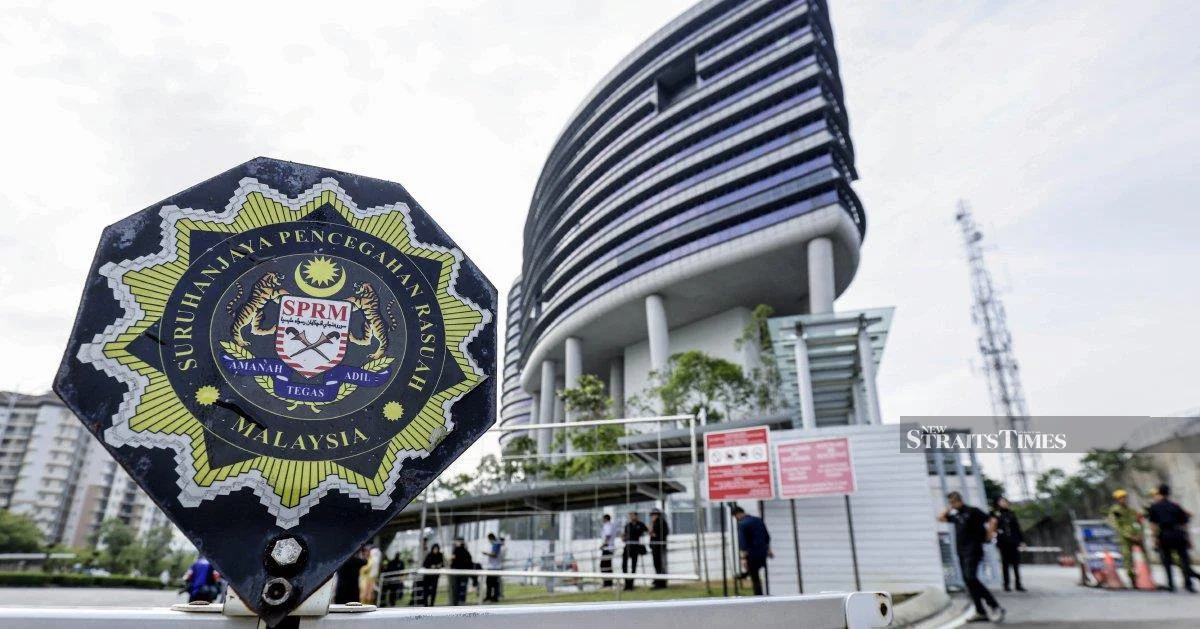
The Malaysian Anti-Corruption Commission (MACC) has widened its investigation into the Daya Kerjaya 2.0 employment incentive scheme to encompass systemic governance defects and operational vulnerabilities that may have facilitated the alleged RM9 million in fraudulent claims. This investigative expansion signals a shift toward understanding not just individual misconduct but the institutional failures that enabled such irregularities to occur within the programme.
Daya Kerjaya 2.0 represents a significant government initiative designed to boost employment opportunities and reduce joblessness across Malaysia by offering financial incentives to employers who hire and retain workers. The scheme's scale and accessibility make it a substantial undertaking, requiring robust oversight mechanisms to prevent misuse of public funds. The discovery of fraudulent claims suggests that existing safeguards proved insufficient to detect and prevent malfeasance at the point of application or disbursement.
The MACC's decision to examine procedural weaknesses rather than focusing solely on individual perpetrators reflects a more sophisticated understanding of anti-corruption enforcement. Governance flaws—such as inadequate verification protocols, insufficient segregation of duties, or weak documentation requirements—create environments where wrongdoing becomes easier to conceal or perpetrate. By identifying these structural gaps, the commission can recommend systemic reforms to prevent similar incidents across other government schemes.
For Malaysian policymakers, this investigation carries important implications for public programme design. Employment schemes like Daya Kerjaya 2.0 are intended to support job creation and worker welfare during economic transitions. When such schemes become targets for fraud, they not only deplete resources intended for legitimate beneficiaries but also undermine public confidence in government initiatives. The investigation's focus on governance weakness suggests that expanding the scope of scrutiny beyond individual actors is necessary to restore institutional integrity.
The RM9 million figure represents a substantial loss of taxpayer money that could have been allocated to genuine job seekers or complementary economic development programmes. Malaysia's fiscal environment demands efficient resource allocation, particularly as the government balances development spending with debt servicing obligations. Fraudulent claims drain resources from their intended beneficiaries and necessitate corrective action at both the investigative and preventive levels.
Sector-wide implications are significant for Southeast Asia's broader employment policy landscape. Malaysia's experience with Daya Kerjaya 2.0 provides lessons for other regional economies implementing similar schemes. The investigation underscores that employment incentive programmes require multi-layered verification systems, digital audit trails, and third-party validation mechanisms. Countries throughout the region designing comparable initiatives can benefit from understanding where Daya Kerjaya 2.0's governance architecture faltered.
The investigation's methodology—examining both individual wrongdoing and institutional weakness—represents best practice in anti-corruption enforcement. Rather than treating the fraud as isolated incidents attributable solely to dishonest applicants or officials, the MACC is investigating how the scheme's architecture permitted such claims to advance through approval processes. This comprehensive approach can identify whether weaknesses lay in verification standards, approval workflows, payment processing controls, or post-disbursement monitoring.
For businesses and employers participating in Daya Kerjaya 2.0, the investigation may trigger increased scrutiny of their own documentation and claims. Companies that claimed these incentives legitimately should expect heightened verification efforts as the MACC attempts to distinguish between genuine participants and those engaged in fraudulent schemes. This temporary compliance burden represents a necessary cost of investigating and preventing systematic abuse.
The timeline and scope of the MACC's investigation will determine how quickly reforms can be implemented. Should the commission identify specific procedural vulnerabilities—such as inadequate employer verification, insufficient cross-referencing with tax records, or weak authentication of worker employment—remedial measures could be deployed relatively swiftly. However, more fundamental governance restructuring might require legislative or administrative action involving multiple government agencies.
International standards for employment subsidy schemes typically emphasize real-time data sharing between agencies, digital verification systems, and random auditing protocols. Malaysia's investigation may reveal whether Daya Kerjaya 2.0 incorporated such safeguards or operated with more manual, paper-based verification processes susceptible to manipulation. The findings could inform how future employment incentive schemes are designed and monitored across the Southeast Asian region.
For the broader Malaysian public, this investigation demonstrates that accountability mechanisms exist within government structures when irregularities surface. The MACC's willingness to examine systemic governance issues rather than accepting surface-level explanations reinforces the principle that public programmes must operate with transparency and robust controls. As Malaysia continues implementing post-pandemic economic recovery initiatives, the lessons from this investigation should inform programme design across multiple sectors.
The investigation's progression will likely influence how employment schemes are implemented elsewhere in the region and establish precedents for addressing fraud within social and economic support programmes. For Malaysian policymakers and administrators designing future employment initiatives, the Daya Kerjaya 2.0 case provides real-world evidence of where governance frameworks must be strengthened to protect public resources while maintaining programme accessibility for legitimate participants.

%22%2F%3E%3C%2Fpattern%3E%3C%2Fdefs%3E%3Crect%20width%3D%22100%25%22%20height%3D%22100%25%22%20fill%3D%22url(%23ph21o2sg)%22%2F%3E%3Crect%20width%3D%22100%25%22%20height%3D%22100%25%22%20fill%3D%22url(%23ph21o2sp)%22%2F%3E%3Ctext%20x%3D%2250%25%22%20y%3D%2250%25%22%20text-anchor%3D%22middle%22%20dominant-baseline%3D%22central%22%20fill%3D%22rgba(255%2C255%2C255%2C0.95)%22%20font-family%3D%22Georgia%2C%20'Times%20New%20Roman'%2C%20serif%22%20font-weight%3D%22700%22%20font-size%3D%22170%22%20letter-spacing%3D%22-0.02em%22%3EGabungan%3C%2Ftext%3E%3C%2Fsvg%3E)