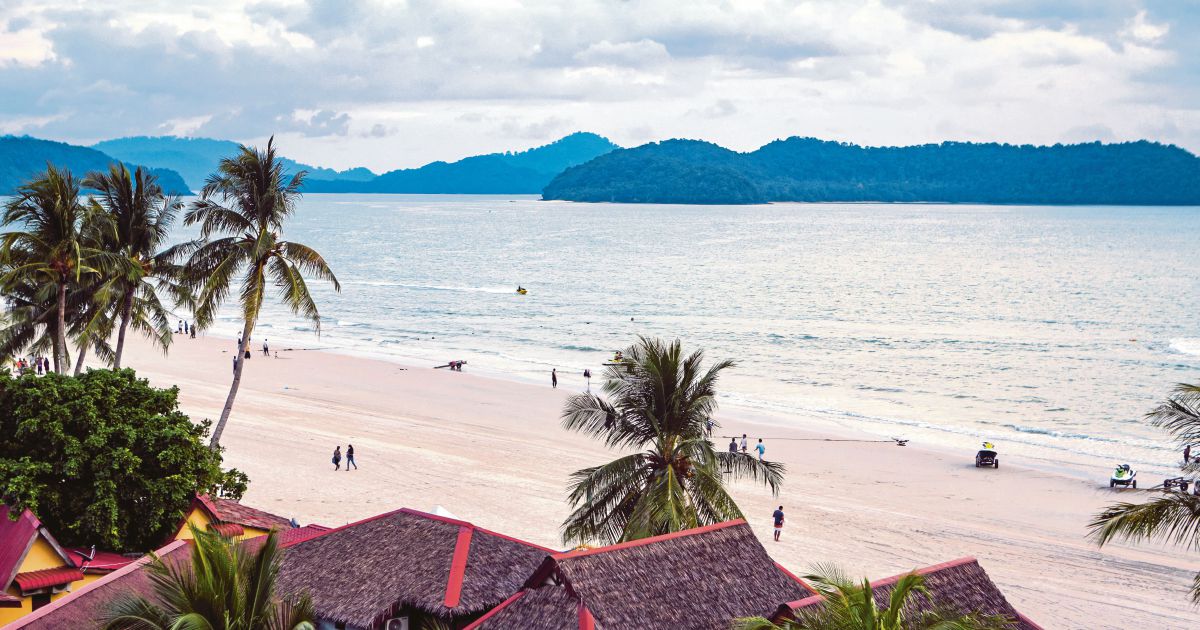
Langkawi's trajectory as a premier Malaysian tourism and commercial hub has faltered significantly, according to former Prime Minister Tun Dr Mahathir Mohamad, who warned that the island has capitalised on merely half of its considerable potential despite enjoying duty-free status for nearly four decades. The assertion raises troubling questions about strategic management and competitive positioning in an increasingly crowded regional travel market where destinations from Thailand to Indonesia to Vietnam actively pursue visitors and investment capital.
The Kedah island was granted duty-free designation as part of a broader developmental strategy to transform it into an international destination capable of attracting both tourists and traders. The move reflected deliberate policy choices to leverage geography, natural resources, and preferential trade conditions. Yet nearly 40 years into this experiment, the island appears to have stalled in realising the full scope of opportunities that such a status can unlock. Mahathir's observation—coming from someone instrumental in Langkawi's original conception—carries particular weight given his intimate knowledge of what was envisioned for the island.
The disparity between potential and performance becomes more acute when viewed against the backdrop of rival destinations across the region. Thailand's Phuket and Krabi have evolved into world-class tourism hubs commanding premium pricing and sustained visitor flows. Indonesia's Bali continues to dominate the Southeast Asian tourism consciousness despite periodic challenges. Vietnam's coastal regions have rapidly ascended the international traveller priority list. In this intensifying regional contest, Langkawi's relative stagnation suggests structural or strategic shortcomings that have prevented it from consolidating early advantages into sustained dominance.
Several factors likely contribute to this underperformance. Infrastructure development may not have kept pace with regional competitors, limiting Langkawi's capacity to handle volume or provide world-class facilities. Marketing and branding efforts could lack the sophistication and reach necessary to compete for high-value international visitor segments. Local governance and regulatory frameworks might create friction that deters investment or entrepreneurial activity. The lack of diverse attractions beyond conventional beach tourism could limit appeal to different demographic segments and extended stay possibilities. Without a detailed analysis of Langkawi's specific constraints, the precise drivers of underperformance remain speculative, yet Mahathir's warning suggests the diagnosis extends beyond minor implementation gaps to more fundamental strategic challenges.
The economic implications for Kedah and Malaysia extend beyond Langkawi's island boundaries. The region was intended to serve as an economic engine capable of generating employment, attracting foreign exchange, and catalysing broader development across the northern Malaysian peninsula. Underperformance in realising this potential represents a lost opportunity for regional prosperity that compounds across decades. Tourism revenues that might have flowed into Kedah's coffers instead enrich competing jurisdictions. Employment opportunities that could have benefited local communities are foregone. Knowledge transfer and skills development that typically accompany international tourism hubs fail to materialise at optimal levels.
Regional competition for tourism and investment dollars has intensified substantially since Langkawi's designation. What may have been a unique proposition in the 1980s has become a standard offering replicated across multiple Southeast Asian destinations. Duty-free status alone no longer guarantees competitive advantage when rival islands offer comparable or superior facilities, more effective marketing, or distinctive experiences that resonate with contemporary travellers. The tourism landscape has evolved toward experiential differentiation, sustainable development messaging, and lifestyle positioning rather than purely transactional benefits like tariff exemptions.
Malaysia faces a broader strategic choice regarding Langkawi. The status quo trajectory of modest underperformance carries long-term costs as regional rivals consolidate advantages and capture visitor preferences. A commitment to genuine transformation would require substantial investment in infrastructure modernisation, professional hospitality standards, authentic cultural experiences, and environmental stewardship. Such an approach demands coordinated effort across multiple stakeholders including government agencies, private developers, hospitality operators, and community representatives. Half-measures that tinker at the margins without addressing fundamental competitiveness will likely perpetuate current mediocrity.
Mahathir's warning also resonates with broader Malaysian concerns about development momentum. The country has faced persistent questions about whether its early-mover advantages from the 1980s and 1990s have been adequately leveraged or have eroded through complacency and inconsistent execution. Langkawi may exemplify this pattern—a flagship initiative with strong potential that failed to sustain excellence or adapt to evolving market conditions. The lesson applies across multiple sectors and initiatives, from manufacturing clusters to technology hubs to special economic zones, where initial promise has not always translated into sustained competitive advantage.
Moving forward, reversing Langkawi's underperformance would require clear-eyed assessment of why competing destinations outperform the island, followed by decisive action to address specific deficiencies. This might involve upgrading transportation links and hospitality infrastructure, cultivating distinctive attractions and experiences unavailable elsewhere, implementing professional governance and regulatory frameworks that inspire confidence in investors and visitors, and positioning the island within broader Malaysian tourism narratives that emphasise cultural authenticity and natural beauty. The window for remedial action remains open, but each year of relative stagnation allows competitors to entrench advantages and visitor preferences to solidify elsewhere.

