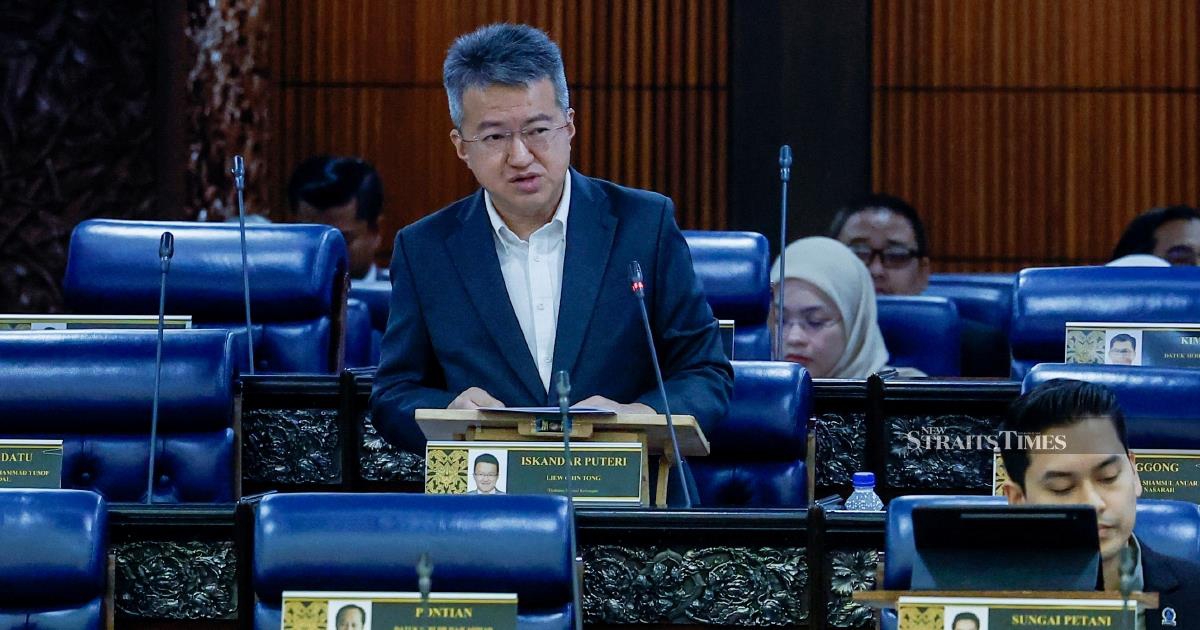
A newly enacted law addressing the Kumpulan Wang Amanah Negara (KWAN) has closed a significant regulatory gap that became apparent following the controversial RM5 billion withdrawal from the sovereign wealth fund in 2021. The amendment ensures that any future withdrawals from the fund will require explicit approval from the Dewan Rakyat, marking a substantial tightening of oversight mechanisms that were previously inadequate to prevent such large-scale extractions.
The 2021 withdrawal, which sent shockwaves through Malaysia's financial management circles, exposed how the existing legal framework governing KWAN contained insufficient safeguards. That incident revealed that the fund—established to manage government financial reserves and strategic assets—lacked robust parliamentary oversight provisions that would have required legislative approval before money could be withdrawn at executive discretion. The absence of such checks created conditions where substantial sums could be mobilised without the scrutiny and formal authorisation that democratic accountability demands.
KWAN's role in Malaysia's financial architecture makes the strengthened governance framework particularly significant. As a custodian of government resources intended for long-term economic stability and strategic investment, the fund's integrity directly affects the nation's fiscal health and public confidence in institutional stewardship. The previous system's reliance on limited checks meant that withdrawal decisions could proceed based on executive judgment alone, bypassing the detailed scrutiny that parliamentary debate and voting would provide.
The legislative amendment represents a shift toward more transparent and democratically accountable fund management. By mandating a Dewan Rakyat resolution before any withdrawal can occur, the new law introduces a formal legislative hurdle that requires public justification and parliamentary deliberation. This change reflects recognition that decisions involving billions of ringgit in public money warrant the kind of comprehensive review and recorded parliamentary position that such a requirement entails.
For Malaysian policymakers and observers of public finance governance, this development underscores the importance of constitutional and legal provisions that constrain executive authority over sovereign resources. The 2021 incident served as a cautionary lesson about the dangers of regulatory gaps in systems managing substantial national assets. Without explicit parliamentary oversight mechanisms, even well-intentioned executives might find it possible to approve withdrawals that, while perhaps justified in specific circumstances, would benefit from the additional layer of legislative scrutiny and public accountability.
The amendment also carries implications for Malaysia's broader institutional architecture. As countries across Southeast Asia grapple with questions about how to balance executive efficiency with democratic oversight in fund management, Malaysia's experience with KWAN provides instructive lessons. The decision to require parliamentary approval reflects an understanding that certain decisions—particularly those involving the deployment of strategic national reserves—merit the legitimacy and transparency that legislative processes confer.
International observers and regional peers may regard this legislative correction favourably, as it aligns Malaysian practice more closely with global best practices for sovereign wealth fund governance. Many countries with similar institutions have embedded parliamentary approval mechanisms precisely to prevent the kind of gaps that the 2021 withdrawal exposed. Malaysia's amendment brings the KWAN framework more into line with these international standards.
The practical implications of the new requirement are substantial. Future ministers or executives proposing KWAN withdrawals will need to prepare detailed justifications for parliamentary consideration, anticipating detailed questioning and potentially facing parliamentary opposition. This process creates multiple opportunities for scrutiny—during committee stage, during parliamentary debate, and ultimately in the vote itself. Such transparency also allows the public, through media coverage of parliamentary proceedings, to understand the reasoning behind any proposed withdrawal and the government's intended use of funds.
The amendment also indirectly addresses concerns about executive overreach in financial management more broadly. While KWAN is the immediate subject, the law's passage signals that Parliament is reasserting its constitutional role in oversight of major fiscal decisions. This may encourage similar reforms in other areas where executive discretion over public resources might similarly benefit from stronger parliamentary gatekeeping.
Looking forward, the new framework creates a more predictable and constrained environment for KWAN withdrawals. Future finance ministers will need to navigate both the substantive question of whether a withdrawal is economically justified and the political question of whether Parliament will support it. This dual requirement means that only withdrawals with genuine support—both executive backing and parliamentary approval—will proceed, whereas withdrawals lacking either justification or political support will be blocked.
The legislation also sends a broader signal about Malaysia's commitment to institutional strengthening and good governance in public finance. While the 2021 withdrawal was controversial, the government's response through legislative amendment demonstrates capacity for institutional self-correction. This willingness to identify problems and implement formal solutions enhances confidence that Malaysia takes fund governance seriously and will continue refining systems as experience reveals weaknesses.

