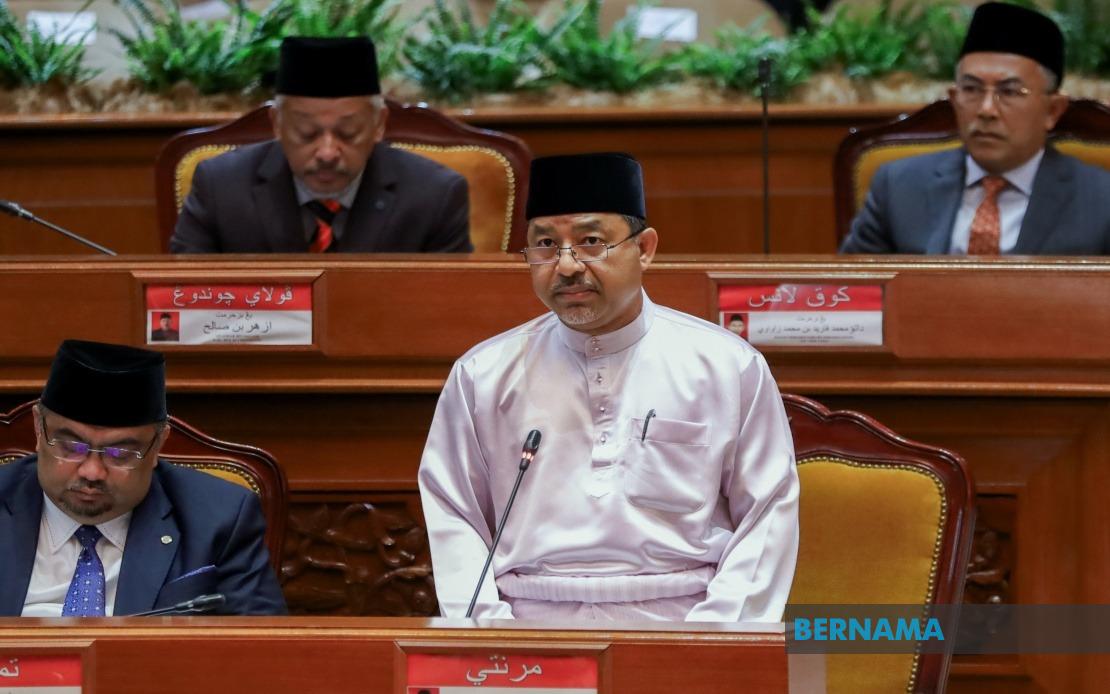
Kelantan maintains its position as the state with the most extensive Malay reserve land holdings in Peninsular Malaysia, according to figures presented by Menteri Besar Datuk Mohd Nassuruddin Daud during a state legislative assembly session. As of June this year, the northeast coast state contains 526,083 hectares designated as Malay reserve land, constituting 91.5 per cent of the total 574,427 hectares of land ownership recorded across Kelantan's 11 districts. This substantial concentration reflects the historical significance of land reservations in protecting Bumiputera interests in the state, a policy framework that has remained largely unchanged despite decades of development pressures.
The statistics underscore the deeply embedded nature of Malay reserve provisions in Kelantan's land administration system. The 526,083 hectares of reserve land encompasses 816,020 individual titles, demonstrating that while the aggregate area is dominated by reserve classifications, ownership is distributed across a substantial number of properties and stakeholders. This dispersal of ownership among hundreds of thousands of title holders creates a complex tapestry of land rights that state authorities must navigate when implementing development initiatives or addressing competing land claims. The corresponding non-Malay reserve category accounts for just 48,344 hectares or 8.4 per cent of total land, involving 43,255 titles, indicating a dramatic imbalance in land availability for non-Bumiputera populations.
The geographical distribution of reserve land across Kelantan's districts reveals significant variations in concentration levels. Gua Musang leads in absolute area with 122,735 hectares of Malay reserve land, likely reflecting the expansive rural terrain in that inland district. Pasir Mas and Tanah Merah follow with 56,656 and 56,246 hectares respectively, while Kuala Krai records 53,473 hectares. However, when examining the proportional aspect, Tanah Merah emerges with the highest percentage at 99.9 per cent of district land falling under reserve designation, virtually eliminating non-Malay land availability in that coastal area. This concentration pattern indicates that reserve protections are particularly stringent in certain districts, potentially creating challenges for non-Bumiputera businesses seeking to establish operations or acquire property in those regions.
Kelantan's maintenance of this land reserve status distinguishes it from other Malaysian states facing pressure to convert reserve land for commercial or industrial development. The Menteri Besar's emphatic statement that no reduction in Malay reserve land has occurred in Kelantan signals political resolve to preserve these protections, even as other states have gradually permitted conversions to support economic transformation. This preservationist stance reflects Kelantan's particular political culture and the strong influence of parties committed to traditional Bumiputera protections. For investors and developers operating in or seeking to enter Kelantan's market, the entrenched nature of these land restrictions represents a defining characteristic that shapes all property transactions and commercial ventures.
The legal framework supporting these reserve holdings derives primarily from the Kelantan Malay Reservations Enactment, particularly Section 13A, which permits non-Malays to acquire property within reserve areas under strictly controlled circumstances. Critically, this provision grants state authorities discretionary power to regulate and even prohibit transactions if officials determine that such dealings would compromise Malay reserve interests. This regulatory authority gives Kelantan's land administration officials substantial leverage in determining whether non-Bumiputera applicants can acquire reserve land, creating a gatekeeping mechanism that reflects state-level commitment to Bumiputera protection over market-driven allocation of property rights.
The implications of Kelantan's land reserve structure extend beyond property ownership to encompass broader economic development patterns. Entrepreneurs and investors, particularly non-Bumiputera businesses, must navigate a regulatory environment that prioritizes reserve protection, potentially limiting opportunities for land-intensive ventures or large-scale commercial real estate development. This institutional framework may contribute to slower property market liquidity and higher transaction costs in certain sectors, as the additional regulatory scrutiny required for non-reserve transactions increases administrative burden and uncertainty. For Malaysian and international investors evaluating opportunities in Northeast Malaysia, understanding these land ownership dynamics becomes essential for feasibility analysis.
Kelantan's reserve land policy also reflects the state's distinct development trajectory compared to more industrialized Malaysian states. While Selangor, Johor, and Penang have progressively converted reserve land to accommodate manufacturing zones, residential developments, and commercial centers, Kelantan has prioritized conservation of reserve status. This conservative approach has maintained social equity objectives but may have constrained economic diversification and the attraction of large-scale investment that typically requires substantial non-reserve land acquisitions. The trade-off between Bumiputera protection and developmental opportunity remains a central tension in Kelantan's economic planning.
The legislative assembly question and ministerial response demonstrate ongoing political attention to land reserve maintenance, suggesting that preserving these protections remains a priority across the state's political establishment. The fact that a legislator specifically asked about current reserve land figures, prompting a detailed government response, indicates that monitoring and publicly affirming reserve land stocks serves important symbolic and practical functions. For the Menteri Besar's administration, repeatedly confirming that no reserve land has been lost helps reinforce commitments to Bumiputera constituencies and demonstrates stewardship of protected assets.
From a regional perspective, Kelantan's reserve land patterns offer lessons for other Southeast Asian states wrestling with land use conflicts and indigenous or majority community protections. While Indonesia and Thailand employ different mechanisms for protecting indigenous land rights, Malaysia's formal reserve system represents a distinct approach with deep roots in colonial-era land policy and post-independence constitutional commitments to Bumiputera interests. Kelantan's retention of extensive reserves demonstrates that such protections can persist for decades despite economic pressures, though this persistence also raises questions about optimal land use efficiency and whether reserve mechanisms adequately serve intended beneficiaries.
Looking forward, Kelantan's land reserve position will likely remain relatively stable absent significant legislative changes or constitutional amendments. State authorities show no indication of converting substantial reserve acreage to other uses, and political constituencies support maintaining existing protections. However, demographic changes, economic pressures, and generational shifts in how land is valued may gradually reshape demand patterns within reserve areas. Future Menteri Besar administrations may face increasing requests to permit reserve conversions for specific development projects, creating opportunities to refine reserve policies without wholesale abandonment of protection frameworks.
The maintenance of 526,083 hectares of Malay reserve land reflects Kelantan's commitment to protecting Bumiputera land rights as codified in Malaysia's constitutional framework. For state residents, national policymakers, and regional observers, these figures represent the ongoing salience of land-based equity protection in Malaysian governance, even as globalization and economic integration pressures encourage more flexible land use policies elsewhere. Kelantan's example demonstrates that reserve preservation remains politically viable and administratively feasible, though long-term sustainability may depend on ensuring that reserve designations continue benefiting intended communities effectively.

