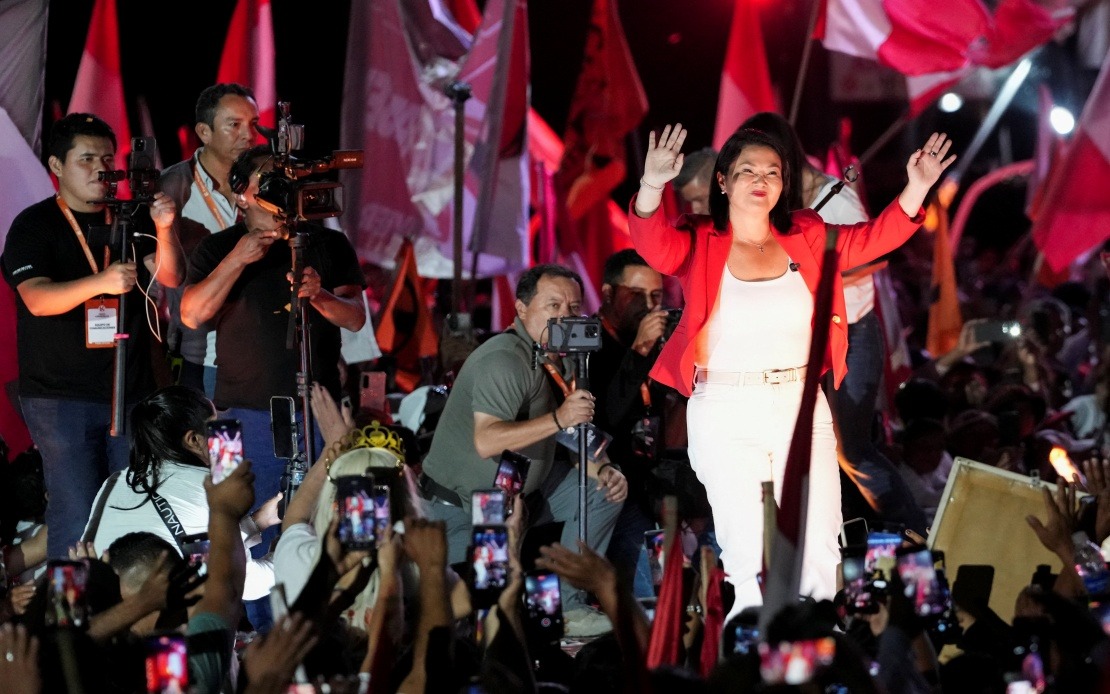
Keiko Fujimori has emerged victorious in Peru's presidential election after securing marginally more than half of all valid votes cast, according to the complete official tally released on Monday by the National Office of Electoral Processes (ONPE). The 100-per cent count confirms that Fujimori, the right-wing Popular Force candidate, accumulated 9,223,396 votes representing 50.135 per cent of the valid ballot, while her opponent Roberto Sanchez of the Together for Peru coalition garnered 9,173,755 votes or 49.865 per cent.
The contest concluded with an extraordinarily narrow margin separating the two candidates: a gap of merely 49,641 votes out of over 18 million ballots cast. This razor-thin difference underscores the deep political divisions within Peruvian society and reflects the electorate's evident struggle to choose between competing visions for the country's future. The extremely close outcome means that the election hinged on marginal shifts in voter preference, with victory effectively determined by a fraction of the population's support.
Fujimori's triumph carries considerable symbolic weight, representing her breakthrough moment after three unsuccessful presidential campaigns. The 49-year-old daughter of former President Alberto Fujimori, who led the country from 1990 to 2000, has long harboured presidential ambitions but faced sustained electoral headwinds and public scepticism. This victory validates her political persistence and suggests she has successfully repositioned her candidacy and messaging to appeal more broadly to Peruvian voters in this election cycle.
Her opponent, Roberto Sanchez, served as a minister during the presidency of Pedro Castillo between 2021 and 2022. The Castillo administration's collapse and the circumstances surrounding Sanchez's tenure may have influenced voter sentiment in ways that ultimately favoured the Popular Force candidate. Sanchez's association with the previous government, which encountered significant challenges and internal turmoil, appears to have weighed against his electoral prospects despite his competitive showing in the balloting.
The completion of the count involved processing all 92,766 individual tally sheets from the June 7 polling day, a comprehensive verification process that confirmed the preliminary results and established Fujimori's narrow but decisive victory. The ONPE's meticulous tallying procedures, conducted transparently through its real-time vote-counting platform, provided detailed scrutiny throughout the counting period and allowed public monitoring of the electoral process as results accumulated.
For Malaysian and Southeast Asian observers, Peru's election demonstrates how even in Latin America's established democracies, electoral outcomes can remain genuinely competitive and unpredictable. The wafer-thin margin separating winner from loser underscores the fragility of electoral mandates and the importance of broad consensus-building for effective governance. In a regional context where electoral legitimacy frequently faces challenges, Peru's transparent counting methodology and acceptance of the result by relevant authorities offers a contrasting model of institutional credibility.
The proximity of the contest also highlights the risks facing political coalitions in divided societies. Fujimori's Popular Force secured victory despite controversy surrounding her family's political legacy and her father's controversial presidency, which included allegations of human rights abuses. Her ability to overcome this baggage suggests that voters prioritised alternative concerns—likely economic performance, security, or governance competence—over historical grievances.
Roberto Burneo, president of Peru's National Jury of Elections, indicated that the official proclamation of results would occur on Friday following the completion of the count. This formal announcement will mark the final step in the electoral process and pave the way for Fujimori's transition to the presidency, assuming no successful legal challenges emerge during the remaining procedural stages.
The election outcome carries implications extending beyond Peru's borders. As Latin American nations grapple with economic pressures, social fragmentation, and institutional strain, Peru's choice of a right-wing candidate with a controversial family background reflects broader regional trends toward seeking strong executive leadership and market-oriented economic policies. How Fujimori's administration approaches governance challenges over the coming years may influence political trajectories across Latin America and inform debates about institutional reform and democratic consolidation in the region.

