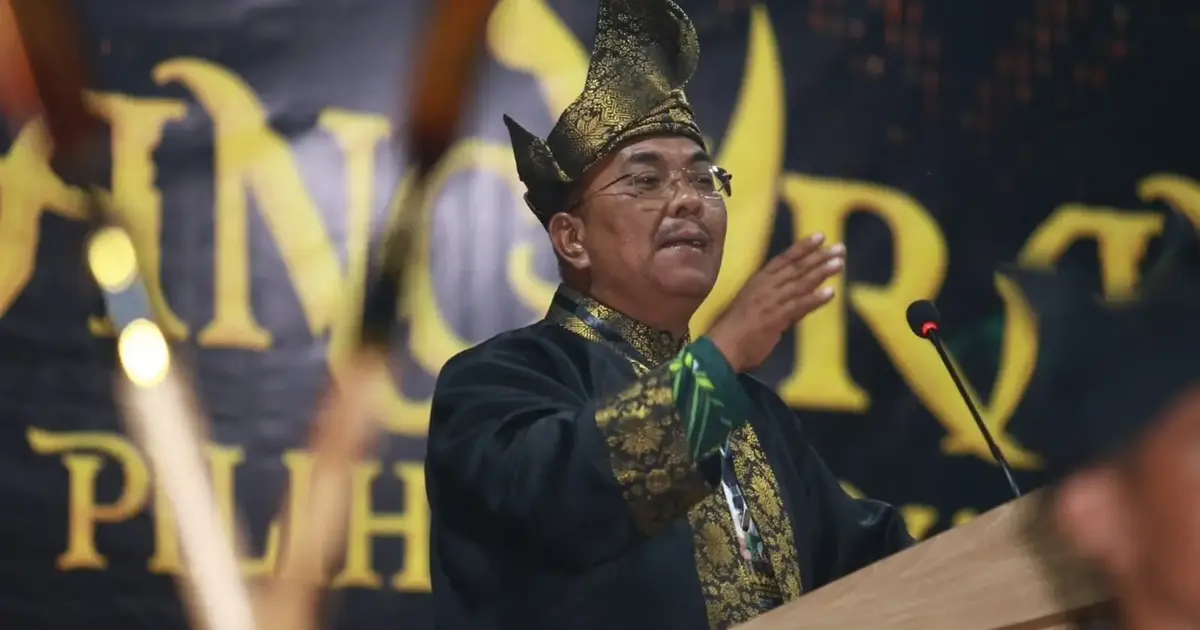
Menteri Besar Muhammad Sanusi Md Nor's ambitions for a dominant electoral performance across Kedah face serious skepticism from the opposition camp, with two Pakatan Harapan representatives dismissing such prospects as unrealistic. The pushback reflects growing competition between ruling and opposition coalitions in the northern state as political temperatures rise across Malaysia ahead of potential regional ballots.
PKR's Wong Bau Ek has argued that the electorate ultimately judges any state administration according to tangible outcomes rather than political rhetoric or sentiment. His position underscores a fundamental principle in electoral politics: voters respond to demonstrable improvements in services, infrastructure, employment, and quality of life. This assessment carries weight in Kedah, where development disparities between urban centres and rural areas have long shaped voter behaviour. Wong's intervention suggests the opposition is building its case on governance records and comparative analysis rather than ceding ground to assumptions about PAS-Perikatan Nasional dominance.
Paralleling Wong's argument, DAP's Teh Swee Leong has taken a more direct approach by questioning the actual strength of the so-called PAS-PN electoral wave. His contention implies that media coverage and political commentary may have amplified perceptions of unity and momentum within the Perikatan Nasional coalition beyond what ground-level support genuinely reflects. This observation has broader implications for understanding coalition dynamics in Malaysian politics, where apparent unity often masks underlying tensions and varying levels of grassroots enthusiasm across component parties.
The scepticism voiced by these Pakatan Harapan figures reflects a particular vulnerability within opposition calculations. Having lost control of Kedah to Sanusi's faction of PAS in the 2020 general election, Pakatan has since attempted to regroup and rebuild credibility in the state. The appointment of Sanusi as Menteri Besar was itself controversial within PAS's own structures, creating potential fractures that opposition strategists believe they can exploit. If Sanusi were to achieve a sweeping mandate in a state election, it would substantially entrench Perikatan Nasional's position and complicate Pakatan's efforts to mount a serious challenge.
Understanding the electoral arithmetic in Kedah requires recognising the state's demographic composition and historical voting patterns. The state legislature comprises 36 seats distributed across constituencies with varying urban and rural characteristics. Achieving a clean sweep would demand unprecedented consolidation of support across all demographic segments and geographic zones. Such outcomes are exceptionally rare in Malaysian state politics, where ethnic composition, urban-rural divides, and the strength of individual assemblyperson personalities typically fragment voting patterns.
The opposition's framing also reflects broader strategic calculations within Pakatan Harapan itself. PKR and DAP have historically competed for influence within the coalition, and their joint messaging on Kedah suggests attempts to project unity despite these internal dynamics. By publicly challenging the viability of Sanusi's electoral ambitions, they aim to bolster party morale, prevent defections, and signal to voters that competition remains meaningful. A narrative of inevitable PAS-PN victory could prove self-fulfilling, demotivating supporters and encouraging wavering voters to join what appears an unstoppable force.
Performance-based assessment of state governance in Kedah would necessarily examine infrastructure development, agricultural productivity, education quality, healthcare access, and economic diversification. The state's economy remains substantially dependent on agriculture and small-scale manufacturing, sectors that have faced pressure from global economic shifts. If Sanusi's administration has failed to demonstrate concrete progress in these areas, the opposition's contention that voters will punish such shortcomings gains credibility. Conversely, if tangible improvements are evident, Sanusi's position strengthens considerably.
The question of momentum and perception versus underlying electoral strength also touches on coalition cohesion within Perikatan Nasional. PAS and its coalition partners do not always move in perfect unison, and displaying apparent cracks could dampen the momentum narrative that opposition leaders are challenging. Teh's assertion that the PAS-PN wave is weaker than portrayed may reflect intelligence gathering by opposition networks or could represent strategic messaging designed to sow doubt and discord within the ruling coalition.
Regional context matters significantly for interpreting these political claims. Southeast Asia has witnessed numerous instances where seemingly dominant parties or coalitions have faced unexpected electoral setbacks when voters prioritise immediate grievances over abstract political narratives. Malaysian voters, like their regional counterparts, often distinguish between national-level politics and state-level governance concerns. A government performing poorly on local issues may struggle electorally even if its national brand appears strong.
The timing of these opposition assertions remains strategically important. By publicly challenging Sanusi's electoral ambitions now, Wong and Teh set a baseline from which opposition performance can be measured. If subsequent elections show Pakatan gains ground or limits PAS-PN expansion, these statements can be cited as vindication. Conversely, if PAS-PN achieves overwhelming success, the opposition's earlier scepticism will be remembered as misjudged overconfidence.
Looking ahead, the veracity of these claims will ultimately be determined by electoral results should state elections proceed. However, the opposition's willingness to directly challenge Sanusi's prospects signals that Pakatan Harapan views Kedah as contested rather than lost territory. This competitive framing may help maintain party discipline and encourage continued mobilisation efforts across the state's constituencies, preventing the complete collapse of opposition infrastructure that could occur if leaders publicly conceded inevitability.

%22%2F%3E%3C%2Fpattern%3E%3C%2Fdefs%3E%3Crect%20width%3D%22100%25%22%20height%3D%22100%25%22%20fill%3D%22url(%23ph21o2sg)%22%2F%3E%3Crect%20width%3D%22100%25%22%20height%3D%22100%25%22%20fill%3D%22url(%23ph21o2sp)%22%2F%3E%3Ctext%20x%3D%2250%25%22%20y%3D%2250%25%22%20text-anchor%3D%22middle%22%20dominant-baseline%3D%22central%22%20fill%3D%22rgba(255%2C255%2C255%2C0.95)%22%20font-family%3D%22Georgia%2C%20'Times%20New%20Roman'%2C%20serif%22%20font-weight%3D%22700%22%20font-size%3D%22170%22%20letter-spacing%3D%22-0.02em%22%3EGabungan%3C%2Ftext%3E%3C%2Fsvg%3E)