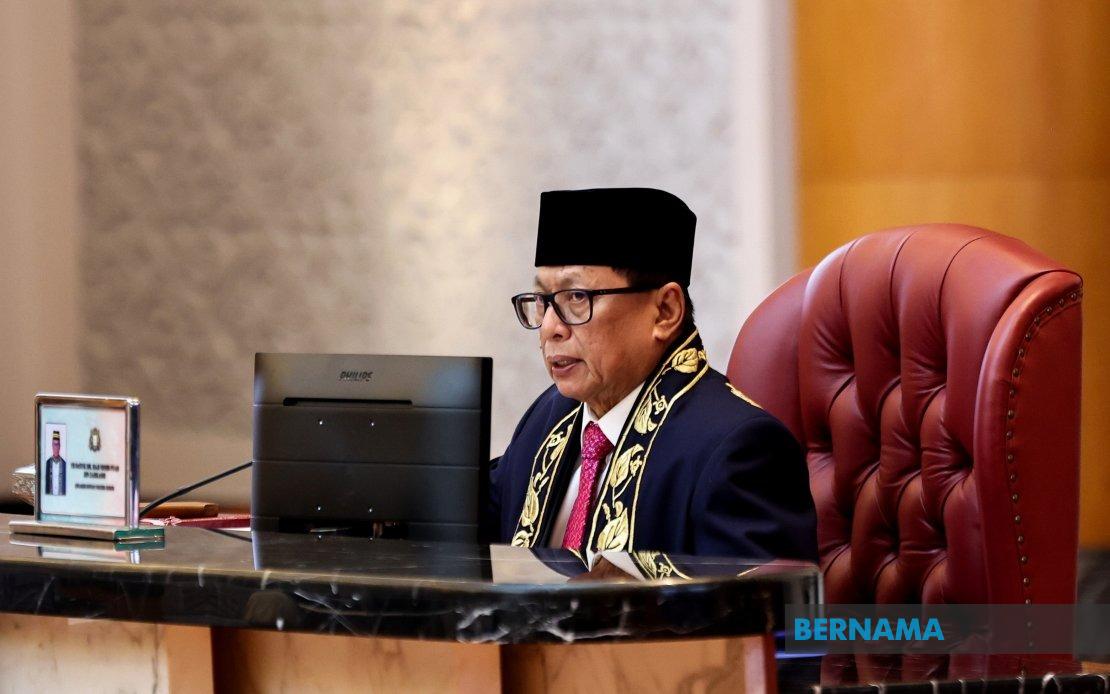
Datuk Dr Mohd Puad Zarkashi, the incumbent Rengit assemblyman and Johor State Legislative Assembly speaker, will not be seeking re-election in the state election scheduled for July 11. The decision, which he revealed through a Facebook post, marks a significant development in the upcoming Johor polls as the leadership shapes its candidate roster ahead of nomination day on June 27.
Mohd Puad disclosed that he had reached this conclusion over a year ago, but only informed senior party leadership of his plans in recent weeks. He communicated his intentions to UMNO president Datuk Seri Dr Ahmad Zahid Hamidi and Johor UMNO chairman Datuk Onn Hafiz Ghazi approximately two weeks before the announcement, giving the party sufficient time to identify and groom a replacement for the seat.
The primary reason underpinning his withdrawal, according to Mohd Puad, centres on age-related considerations. At 69 years old, he reasoned that standing for another term would see him reach 74 by the conclusion of the five-year legislative cycle. He articulated the view that contesting at such an advanced stage of life would be inappropriate, reflecting a perspective increasingly common among long-serving Malaysian politicians seeking to create space for generational renewal within their parties.
This stepping back aligns with a broader strategic repositioning within Johor UMNO, where Onn Hafiz is consolidating leadership of the party. Mohd Puad explicitly endorsed this transition, arguing that younger candidates should be prioritised for state assembly contests. His reasoning echoes contemporary debates within Malaysian politics about succession planning and the balance between experience and fresh leadership. By ceding the field to politicians aged 50 and below, he suggested, the party could strengthen its bench of emerging talent while maintaining continuity under Onn Hafiz's stewardship of the state government.
Beyond the question of his own candidacy, Mohd Puad outlined specific criteria he believes should guide the selection of replacement candidates moving forward. He advocated for nominees who possess formal education, maintain unblemished personal character, demonstrate genuine commitment to the party's political mission, and demonstrate a clear grasp of Malaysia's strategic direction. These stipulations suggest an effort to establish quality benchmarks that might elevate the overall calibre of the incoming representative cohort.
The outgoing assemblyman signalled his intention to conclude various administrative and constituency matters before nomination day arrives, ensuring a smooth transition for his successor. He also took the opportunity to extend his gratitude to the residents of Rengit for their sustained backing throughout his tenure, as well as to express appreciation to His Majesty Sultan Ibrahim, King of Malaysia, for appointing him to the position of Johor speaker. These gestures underscore the ceremonial dimensions of Malaysian legislative politics and the importance of acknowledging the royal prerogative in parliamentary appointments.
Mohd Puad's electoral track record in Rengit has been solid. In the 2022 Johor state election, he secured victory with a winning margin of 1,920 votes, demonstrating a reasonable degree of local support despite broader electoral competition. His willingness to vacate a winnable seat, therefore, carries particular significance and suggests a calculated decision rather than a response to electoral vulnerability.
The timing of his announcement positions Johor UMNO to conduct an orderly transition and allow sufficient campaigning time for his successor to establish visibility and connect with voters in the Rengit constituency. With nomination day falling on June 27 and polling scheduled for July 11, the party has a compressed but manageable window in which to introduce its candidate and mobilise grassroots support.
For Onn Hafiz and the Johor UMNO leadership, Mohd Puad's departure from the contest represents both an opportunity and a responsibility. The move enables the party to project an image of planned generational transition rather than stagnation, a message that may resonate with voters concerned about political renewal. Simultaneously, however, the party must ensure that the replacement candidate selected for Rengit possesses sufficient legitimacy and capability to hold the seat against opposition challenges.
The Rengit vacancy also reflects broader demographic and political shifts occurring within Malaysian state politics. As older pioneers step aside, the pressure intensifies on parties to identify, nurture, and deploy younger leadership capable of addressing contemporary issues ranging from economic management to social cohesion. Mohd Puad's principled withdrawal, framed around creating opportunities for a younger generation, tacitly acknowledges these evolving expectations within the Malaysian electorate and within party structures themselves.
Looking ahead, the Johor state election will serve as a critical test of whether the transition from veteran to emergent leadership strengthens or weakens the governing coalition's appeal. The manner in which the Rengit replacement candidate campaigns and the party's broader performance across contested constituencies will provide important indicators about voter appetite for renewal and the effectiveness of Onn Hafiz's leadership in sustaining UMNO-BN dominance in the state.

%22%2F%3E%3C%2Fpattern%3E%3C%2Fdefs%3E%3Crect%20width%3D%22100%25%22%20height%3D%22100%25%22%20fill%3D%22url(%23ph21o2sg)%22%2F%3E%3Crect%20width%3D%22100%25%22%20height%3D%22100%25%22%20fill%3D%22url(%23ph21o2sp)%22%2F%3E%3Ctext%20x%3D%2250%25%22%20y%3D%2250%25%22%20text-anchor%3D%22middle%22%20dominant-baseline%3D%22central%22%20fill%3D%22rgba(255%2C255%2C255%2C0.95)%22%20font-family%3D%22Georgia%2C%20'Times%20New%20Roman'%2C%20serif%22%20font-weight%3D%22700%22%20font-size%3D%22170%22%20letter-spacing%3D%22-0.02em%22%3EGabungan%3C%2Ftext%3E%3C%2Fsvg%3E)