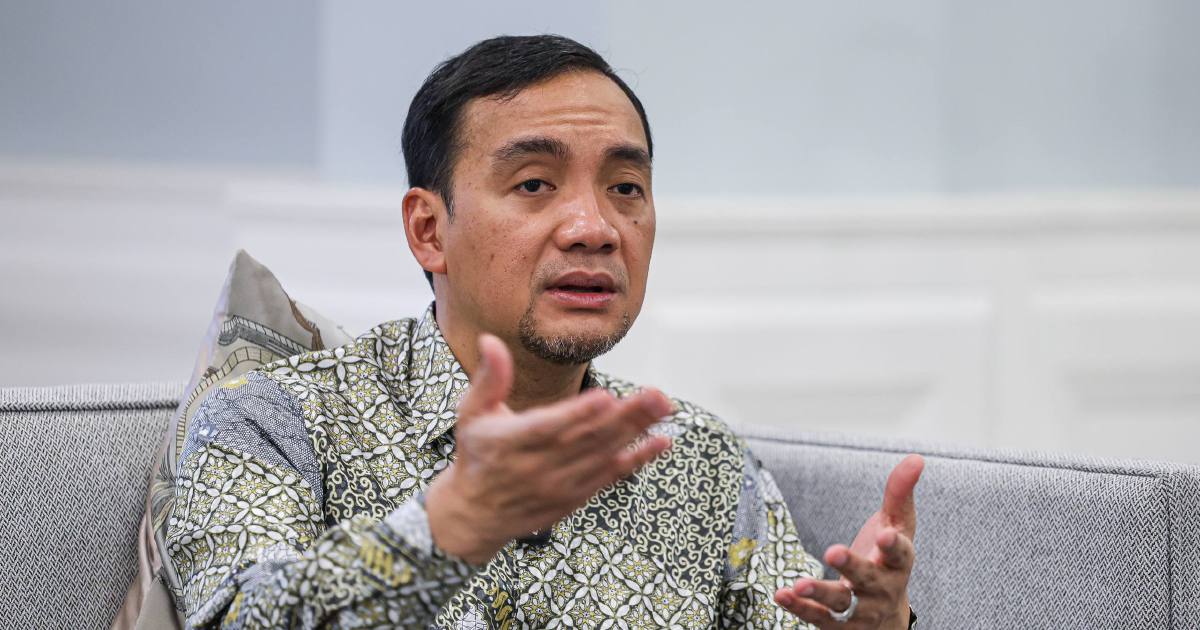
The Palace of Johor has stepped into the political arena to set expectations for the conduct expected of candidates and parties during the forthcoming state election campaign. In a statement relayed through Johor Barisan Nasional chairman Datuk Onn Hafiz Ghazi, both His Majesty Sultan Ibrahim, the King of Malaysia, and Tunku Mahkota Ismail, the Regent of Johor, have issued a clear directive: politicians must refrain from personal attacks and maintain standards of civility throughout the election period.
The intervention from the palace represents more than a courtesy reminder of good manners. In Malaysia's constitutional framework, the rulers of individual states hold significant symbolic and, in some cases, practical authority over state affairs. Johor's monarchy carries particular weight given the state's size, economic importance, and historical prominence within the Malaysian federation. When Sultan Ibrahim and the Tunku Mahkota speak on campaign behaviour, their words carry the authority of the institution itself, making the statement a meaningful constraint on political actors who remain conscious of the monarchy's standing in public consciousness.
The timing of this palace intervention reflects growing concerns about the tenor of political discourse across Malaysia. Election campaigns have increasingly become platforms for personal recriminations, character assassination, and inflammatory rhetoric that extends far beyond policy disagreement. Social media amplification has intensified these dynamics, allowing accusations and insults to spread rapidly and widely before fact-checking or correction can occur. The palace's move to discourage such behaviour suggests that royal circles have observed troubling patterns emerging in recent campaign cycles and wish to establish clearer norms before Johor's election campaign fully takes flight.
For Barisan Nasional in Johor specifically, the palace directive carries particular significance. As the ruling coalition at state level, BN faces the dual challenge of defending its record while navigating increased political competition. The call for civility, while appearing neutral and principled, may also serve BN's interests by setting a higher threshold for attack-style campaigning that opposition parties might otherwise employ. Conversely, BN itself must model the behaviour the palace has encouraged, or risk accusations of hypocrisy that could damage its standing with voters and undermine the palace's stated expectations.
The broader context involves Malaysia's ongoing struggles with political polarisation and institutional integrity. Recent years have witnessed increasing scepticism toward political institutions, driven partly by factional conflicts within parties, corruption allegations, and perceived opportunism in coalition-building. Royal institutions have thus far maintained relatively high public confidence compared to elected bodies, and the palace's intervention in campaign standards may reflect an intention to protect the monarchy's perceived neutrality and moral authority by ensuring that state elections do not descend into conduct that would diminish public trust in the political process itself.
For Malaysian voters and observers in other states, the Johor palace's statement offers a template and potential pressure point. If the palace expects civil campaigning in Johor, similar expectations may be articulated elsewhere, creating a cumulative effect across the country. This could gradually establish behavioural norms that shift campaign culture away from personal attacks and towards substantive policy discussion. However, the statement's effectiveness ultimately depends on enforcement and consequence—whether political actors who violate these expectations face social, electoral, or institutional pushback.
The economic and political stakes in Johor amplify the importance of this message. As one of Malaysia's largest economies and a strategically important state in the federation, Johor's stability and good governance affect not only state residents but national economic performance and Malaysia's international standing. Election campaigns marred by excessive acrimony risk creating social divisions that persist long after voting concludes, potentially hampering the winning government's ability to govern effectively and pursue development agendas with broad support.
Tunku Mahkota Ismail's involvement is particularly noteworthy given his increasing public visibility in state and national affairs. As the heir apparent to Johor's throne, his presence in this statement signals that the institution views campaign civility as important enough to warrant senior-level attention and credibility. The message therefore carries weight not only as a current directive but as an indication of expectations that future leadership will maintain.
The responsibility now falls on political parties contesting the Johor election to demonstrate that they have heeded this counsel. Observers will watch closely to determine whether candidates and campaigns adjust their rhetoric and tactics in response to the palace's intervention. Should they continue with personal attacks and incivility, the palace's credibility as an institution capable of establishing behavioural standards faces erosion. Conversely, visible restraint and focus on substantive issues would validate the palace's authority to influence political conduct and might establish a model for future elections elsewhere in Malaysia.
Ultimately, the palace's call reflects recognition that elections, while fundamental to democratic governance, can inflict damage on social cohesion and institutional trust if conducted without proper regard for civility. By articulating clear expectations through the monarchy's established moral standing, Johor's leadership has created both an opportunity and a test: the opportunity for the state's political actors to elevate their campaign standards, and a test of whether the institution's moral authority remains sufficient to shape political behaviour in an age of intense partisan competition and digital media dynamics.

%22%2F%3E%3C%2Fpattern%3E%3C%2Fdefs%3E%3Crect%20width%3D%22100%25%22%20height%3D%22100%25%22%20fill%3D%22url(%23ph21o2sg)%22%2F%3E%3Crect%20width%3D%22100%25%22%20height%3D%22100%25%22%20fill%3D%22url(%23ph21o2sp)%22%2F%3E%3Ctext%20x%3D%2250%25%22%20y%3D%2250%25%22%20text-anchor%3D%22middle%22%20dominant-baseline%3D%22central%22%20fill%3D%22rgba(255%2C255%2C255%2C0.95)%22%20font-family%3D%22Georgia%2C%20'Times%20New%20Roman'%2C%20serif%22%20font-weight%3D%22700%22%20font-size%3D%22170%22%20letter-spacing%3D%22-0.02em%22%3EGabungan%3C%2Ftext%3E%3C%2Fsvg%3E)