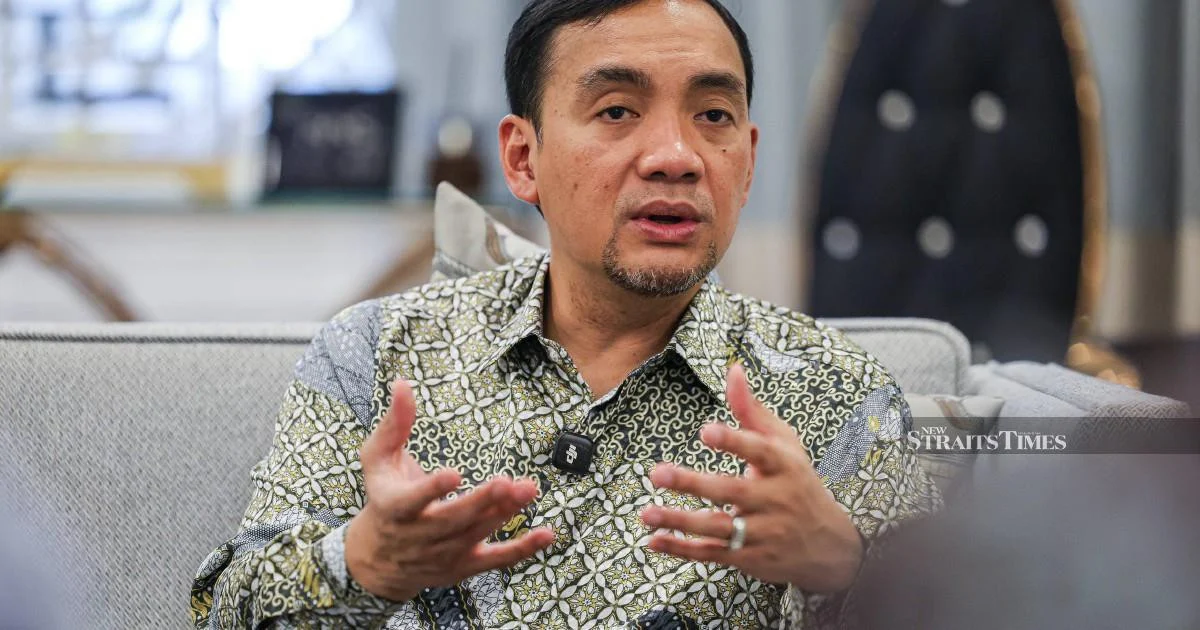
Barisan Nasional's Johor chapter is moving toward a critical milestone in its campaign machinery, with the formal announcement of its candidate roster anticipated for Saturday. The finalization of this line-up represents the culmination of weeks of internal negotiations and deliberations within the coalition, as party leaders have navigated competing interests and regional considerations to determine who will represent BN across the state's parliamentary and state assembly seats.
The timeline outlined by Johor BN leadership indicates that the selection process will be substantially concluded by week's end, allowing for coordinated public presentation and campaign launch activities. This scheduling reflects the coalition's intention to maximize media momentum and party organization ahead of campaigning, a strategy that has become standard practice in Malaysian electoral cycles where the window between candidate announcement and polling day proves crucial for voter outreach and political positioning.
For Malaysian readers and political observers, the Johor announcement carries significance beyond the state itself. Johor remains a bellwether for broader political trends in the peninsula, and the composition of its candidate slate often telegraphs coalition thinking on national issues and factional balance within BN structures. The inclusion or exclusion of particular figures, and the distribution of nominations across BN component parties, will signal how the coalition is recalibrating after previous electoral setbacks and internal realignments.
The timing of this announcement also reflects the broader electoral calendar. With various states moving toward elections at different intervals, BN's decision to crystallize its Johor roster demonstrates a focused effort to establish party momentum in one of the nation's economically important states and a key support base for coalition politics. Early candidate unveiling allows parties to build ground-level organization and begin the granular work of voter persuasion that shapes modern electoral outcomes.
Within the context of Johor politics specifically, the candidate announcement will clarify questions about representation and factional positioning that have simmered within the state party machinery. Decisions about seat allocations between UMNO and other BN component parties, the balance between incumbent and fresh candidates, and the handling of controversial or vulnerable seats all become public at such moments, potentially triggering shifts in party unity or revealing fault lines that may need management before polling day.
From a strategic perspective, the finalization of BN's Johor roster also serves practical campaign logistics. Once candidates are formally named, the machinery for candidate support, campaign financing coordination, and messaging development can fully activate. Volunteer mobilization accelerates, media strategies sharpen, and the transition from internal party negotiations to public-facing electoral competition becomes complete.
The announcement format and ceremonial aspects of Saturday's event will merit close observation. How party leadership presents the candidate slate—whether with emphasis on continuity, new blood, demographic representation, or other narratives—reveals much about how BN intends to frame its campaign and what it believes voters prioritize. The geographic distribution of candidates and the party composition of nominations also demonstrate coalition health and whether tensions that periodically surface within multi-party coalitions have been adequately papered over or remain potentially destabilizing.
For prospective voters in Johor, the candidate announcement marks the formal transition from political speculation to concrete electoral choices. It allows voters and civil society organizations to examine candidate track records, qualifications, and policy positions, and to begin authentic deliberation about their preferences. In an era of increasingly informed and engaged electorate segments, the quality and composition of announced candidates often shapes voter sentiment and turnout calculations.
From a regional Southeast Asian perspective, Malaysia's electoral processes remain relevant to understanding coalition politics and democratic contestation in diverse, multi-ethnic societies. The mechanics of how BN selects and presents candidates—balancing coalition partners, regional interests, demographic considerations, and factional dynamics—offer insights into how non-zero-sum political arrangements function under competitive pressures across the region.

%22%2F%3E%3C%2Fpattern%3E%3C%2Fdefs%3E%3Crect%20width%3D%22100%25%22%20height%3D%22100%25%22%20fill%3D%22url(%23ph21o2sg)%22%2F%3E%3Crect%20width%3D%22100%25%22%20height%3D%22100%25%22%20fill%3D%22url(%23ph21o2sp)%22%2F%3E%3Ctext%20x%3D%2250%25%22%20y%3D%2250%25%22%20text-anchor%3D%22middle%22%20dominant-baseline%3D%22central%22%20fill%3D%22rgba(255%2C255%2C255%2C0.95)%22%20font-family%3D%22Georgia%2C%20'Times%20New%20Roman'%2C%20serif%22%20font-weight%3D%22700%22%20font-size%3D%22170%22%20letter-spacing%3D%22-0.02em%22%3EGabungan%3C%2Ftext%3E%3C%2Fsvg%3E)