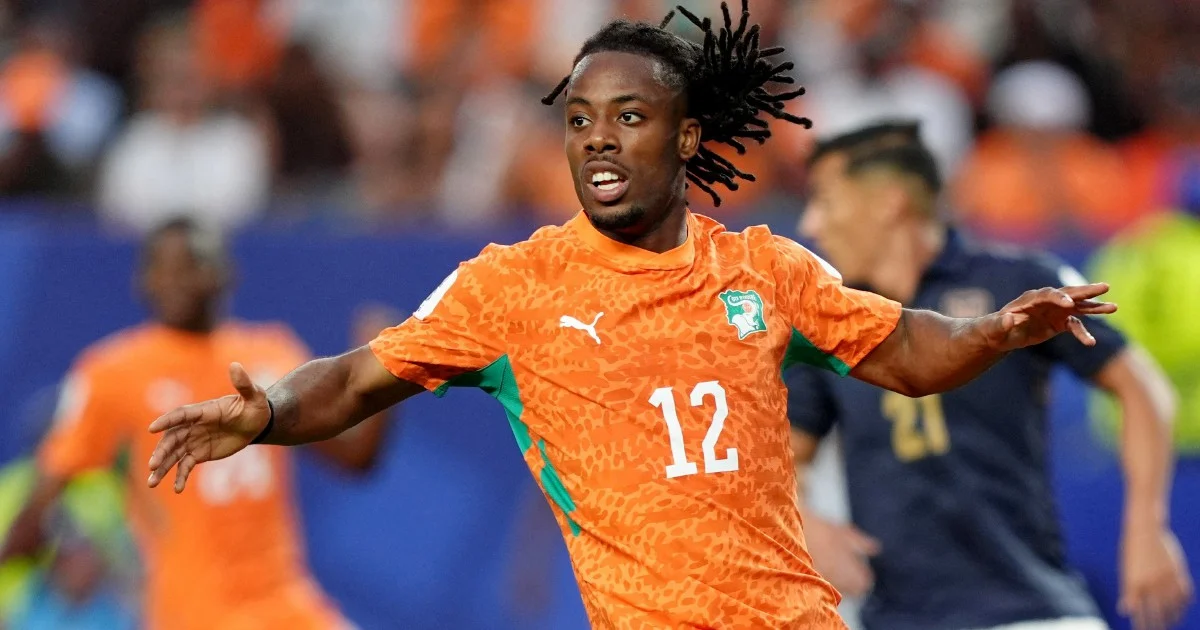
Ivory Coast's attacking forward Elye Wahi found himself at the centre of a match-fixing scandal in France, having been taken into custody during May as authorities probed allegations of spot-fixing in football. The player, who lined up for his country in a World Cup encounter against Ecuador that ended in victory, was arrested as part of the broader investigation, The Athletic reported on Wednesday.
Wahi's involvement in the case represents a significant development in an ongoing crackdown on corruption within French football. The spot-fixing allegations mark a particular concern for governing bodies, as such schemes typically involve manipulating specific moments or outcomes within matches rather than predetermined final results. This targeted approach to match manipulation has become increasingly common in modern football, presenting fresh challenges for regulators attempting to maintain the integrity of the sport.
The timing of Wahi's arrest during May created questions about his availability for international fixtures and club commitments. Players caught up in criminal investigations face uncertain futures as legal proceedings progress, with potential consequences ranging from temporary suspension to lengthy bans depending on the evidence and outcomes of formal charges. The uncertainty surrounding such cases often extends beyond the player himself, affecting team selection decisions and commercial arrangements.
France's football authorities have intensified scrutiny of suspicious betting patterns and unusual match incidents in recent seasons. Intelligence gathered from betting operators and match monitoring systems helped authorities identify potential irregularities worth investigating. The interconnected nature of modern football—with matches broadcast globally and wagering markets operating across continents—creates both opportunities and vulnerabilities that criminal networks have increasingly exploited.
Wahi's professional career had been gaining momentum in recent years, with the forward establishing himself as a key attacking option for Ivory Coast. His selection for the World Cup squad reflected the national team's confidence in his abilities. However, allegations of involvement in fixing schemes cast a shadow over such achievements and raise questions about the circumstances under which specific performances occurred.
The spot-fixing investigation affects not only Wahi but potentially extends to other individuals connected with the scheme. Authorities typically examine communications, financial transactions, and betting records to establish links between players, intermediaries, and those placing bets. Such investigations often uncover networks rather than isolated incidents, suggesting that Wahi's case forms part of a larger pattern authorities have been tracking.
For Malaysian football observers, this case illustrates vulnerabilities that extend across regional competitions. Betting on football—whether legal or underground—operates extensively throughout Southeast Asia, creating fertile ground for match-fixing schemes. The sophistication of modern criminal networks means that African, European, and Asian footballers can be targeted as part of coordinated international operations, making continental cooperation essential for safeguarding competition integrity.
Club teams employing players under investigation face operational complications. Training squad management becomes complicated when players face legal proceedings abroad, while contract enforcement becomes unclear if bans are eventually imposed. The reputational damage extends beyond individual careers, affecting sponsorship deals and fan confidence in the institutions involved.
French authorities have demonstrated increasing willingness to pursue cases involving foreign players, recognising that corruption threats transcend nationality. This approach contrasts with earlier periods when enforcement focused predominantly on domestic players and club-based conspiracies. The expansion reflects lessons learned from major fixing scandals that revealed how international networks operated beneath the surface of established competitions.
Wahi's case adds to a troubling pattern of match-fixing allegations touching elite-level football across multiple continents. While high-profile domestic leagues implement increasingly sophisticated monitoring systems, the evidence suggests that determined criminal organisations continue identifying vulnerabilities—particularly targeting younger players who may be more susceptible to financial inducements or threats.
The consequences of such investigations extend beyond individual prosecutions. Clubs, leagues, and governing bodies face pressure to demonstrate that they take integrity seriously by strengthening protocols, improving detection capabilities, and supporting authorities during investigations. For players like Wahi, the legal process represents not only a personal ordeal but a potential career-defining moment, with outcomes influencing future employment prospects and sporting reputation regardless of formal convictions.
As the investigation progresses through French legal channels, international football authorities will likely monitor developments closely. Any confirmation of involvement could establish precedents for how governing bodies handle corruption cases involving players from competitive nations, potentially triggering reviews of integrity frameworks across African football and the global game more broadly.

%22%2F%3E%3C%2Fpattern%3E%3C%2Fdefs%3E%3Crect%20width%3D%22100%25%22%20height%3D%22100%25%22%20fill%3D%22url(%23ph21o2sg)%22%2F%3E%3Crect%20width%3D%22100%25%22%20height%3D%22100%25%22%20fill%3D%22url(%23ph21o2sp)%22%2F%3E%3Ctext%20x%3D%2250%25%22%20y%3D%2250%25%22%20text-anchor%3D%22middle%22%20dominant-baseline%3D%22central%22%20fill%3D%22rgba(255%2C255%2C255%2C0.95)%22%20font-family%3D%22Georgia%2C%20'Times%20New%20Roman'%2C%20serif%22%20font-weight%3D%22700%22%20font-size%3D%22170%22%20letter-spacing%3D%22-0.02em%22%3EGabungan%3C%2Ftext%3E%3C%2Fsvg%3E)