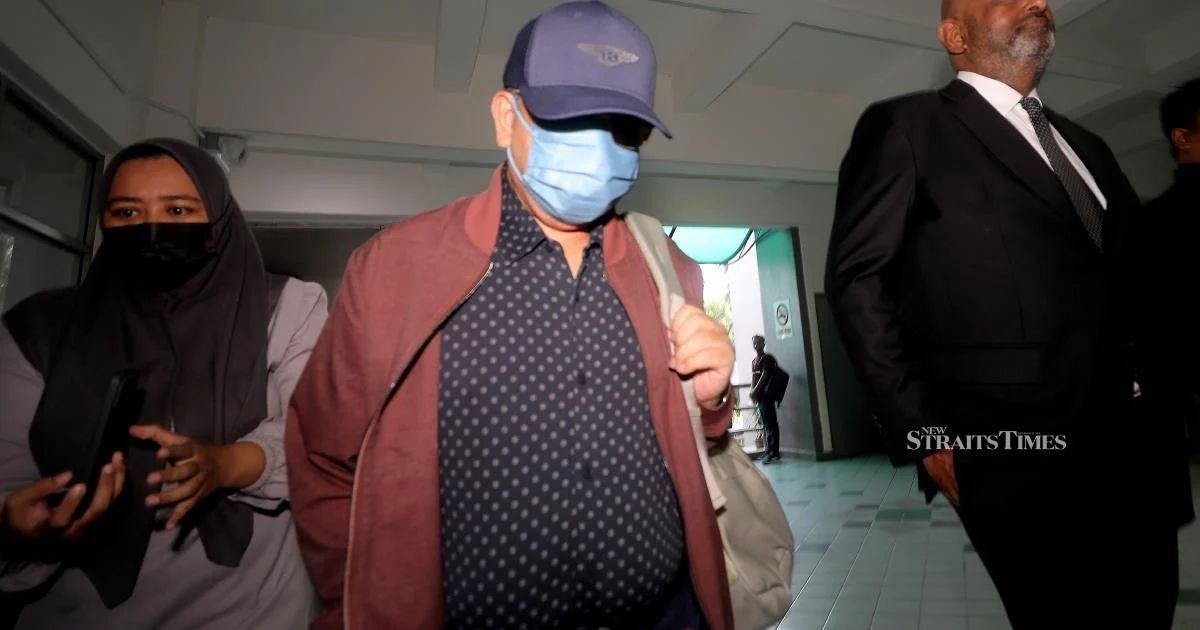
A prominent member of the non-governmental organisation Pertubuhan Ikram Malaysia entered a formal plea of not guilty on Monday to a sweeping slate of 158 charges relating to the abuse of his position for financial gratification. The accused faced the Sessions Court in Shah Alam where the charges alleged illicit gains totalling RM98,270,315.20 accumulated during a five-year span, marking one of the larger corruption cases involving a civil society figure in recent times.
The scale of the alleged misconduct underscores growing scrutiny of governance practices within Malaysia's non-profit sector, a domain that has historically operated with less regulatory oversight than government agencies or listed corporations. The charges against the Ikram member suggest a pattern of systematic financial impropriety, though the specific nature of the alleged abuses—whether involving procurement manipulation, fund misappropriation, or other mechanisms—was not immediately detailed in the court proceedings. This opacity reflects the preliminary nature of the case at the pleading stage, where full particulars of the charges typically emerge during subsequent court management conferences and trial testimony.
Ikram, formally known as Pertubuhan Ikram Malaysia, is one of Malaysia's more visible civil society organisations, focused on Islamic education, charitable work, and community development initiatives. The organisation's activities span across multiple Malaysian states, and it has built substantial financial resources and public trust over its decades of operation. The involvement of a senior member in allegations of financial misconduct therefore carries implications beyond the individual, potentially affecting the organisation's reputation and the broader landscape of NGO accountability in Malaysia.
The five-year window cited in the charges—though not explicitly dated in available court statements—likely corresponds to a recent period within the organisation's operations when the alleged misconduct is believed to have occurred. This timeframe is substantial enough to suggest the prosecution's case rests on extensive financial documentation and audit trail evidence, as proving systematic abuse of position typically requires meticulous reconstruction of transactions, approvals, and benefit flows. Malaysian anti-corruption authorities and the Malaysian Anti-Corruption Commission (MACC), which likely spearheaded the investigation, would have needed to establish clear linkages between the accused's official position, his decision-making capacity, and the personal financial gain derived.
The magnitude of the alleged gratification—approaching RM98.3 million—places this case in the category of major financial crimes. For context, this sum exceeds the annual budgets of many community-based organisations and represents resources that could have addressed significant social needs had they remained within the organisation's intended charitable functions. The specificity of the figure suggests forensic accounting work identifying discrete instances of improper transactions rather than vague or estimated losses.
Court proceedings in Malaysia for complex financial crime cases often extend over extended periods, with trial dates potentially stretching across multiple years depending on the volume of evidence, number of witnesses, and technical complexity of financial documentation. The Sessions Court in Shah Alam, while equipped to handle such matters, will need to manage a significant caseload as the trial progresses. Both the prosecution and defence will likely require time to prepare detailed submissions, given the number of individual charges requiring proof of specific elements—including the accused's authority, the improper exercise of that authority, and quantifiable personal benefit.
The not guilty plea signals the accused's intention to contest all allegations, meaning the prosecution bears the burden of proving each charge beyond reasonable doubt. This approach, common in Malaysian practice, preserves the defendant's right to mount a full defence while maintaining his presumption of innocence throughout proceedings. The complexity of untangling financial flows within an organisation as substantial as Ikram suggests the trial could hinge on technical financial evidence, witness testimony from colleagues or auditors, and documentation of approval processes that may or may not have been properly followed.
For Malaysia's non-profit sector more broadly, this case carries cautionary significance. Donor organisations, government bodies providing grants, and individual supporters increasingly scrutinise NGO governance structures and financial controls. While the vast majority of Malaysian NGOs operate with integrity, high-profile cases involving financial misconduct reinforce the need for independent audits, transparent reporting, and segregation of duties within organisational hierarchies. The case may accelerate discussions around establishing stronger regulatory frameworks for civil society organisations, particularly those managing substantial funds or delivering government-contracted services.
The implications for Ikram specifically remain to be seen. Organisations facing such allegations often experience temporary reputational damage and donor hesitancy, but transparent handling of internal investigations and swift remedial action can rebuild stakeholder confidence. The outcome of this trial will significantly influence perceptions of the organisation's governance integrity and may prompt comprehensive internal reforms regardless of the verdict.
The court will now manage the case according to standard Malaysian trial procedures, with the prosecution presenting evidence and witnesses before the defence presents its case. The Sessions Court judge will ultimately determine guilt or innocence on each of the 158 charges, a process that demands careful evaluation of each allegation individually despite their thematic similarity.

%22%2F%3E%3C%2Fpattern%3E%3C%2Fdefs%3E%3Crect%20width%3D%22100%25%22%20height%3D%22100%25%22%20fill%3D%22url(%23ph21o2sg)%22%2F%3E%3Crect%20width%3D%22100%25%22%20height%3D%22100%25%22%20fill%3D%22url(%23ph21o2sp)%22%2F%3E%3Ctext%20x%3D%2250%25%22%20y%3D%2250%25%22%20text-anchor%3D%22middle%22%20dominant-baseline%3D%22central%22%20fill%3D%22rgba(255%2C255%2C255%2C0.95)%22%20font-family%3D%22Georgia%2C%20'Times%20New%20Roman'%2C%20serif%22%20font-weight%3D%22700%22%20font-size%3D%22170%22%20letter-spacing%3D%22-0.02em%22%3EGabungan%3C%2Ftext%3E%3C%2Fsvg%3E)