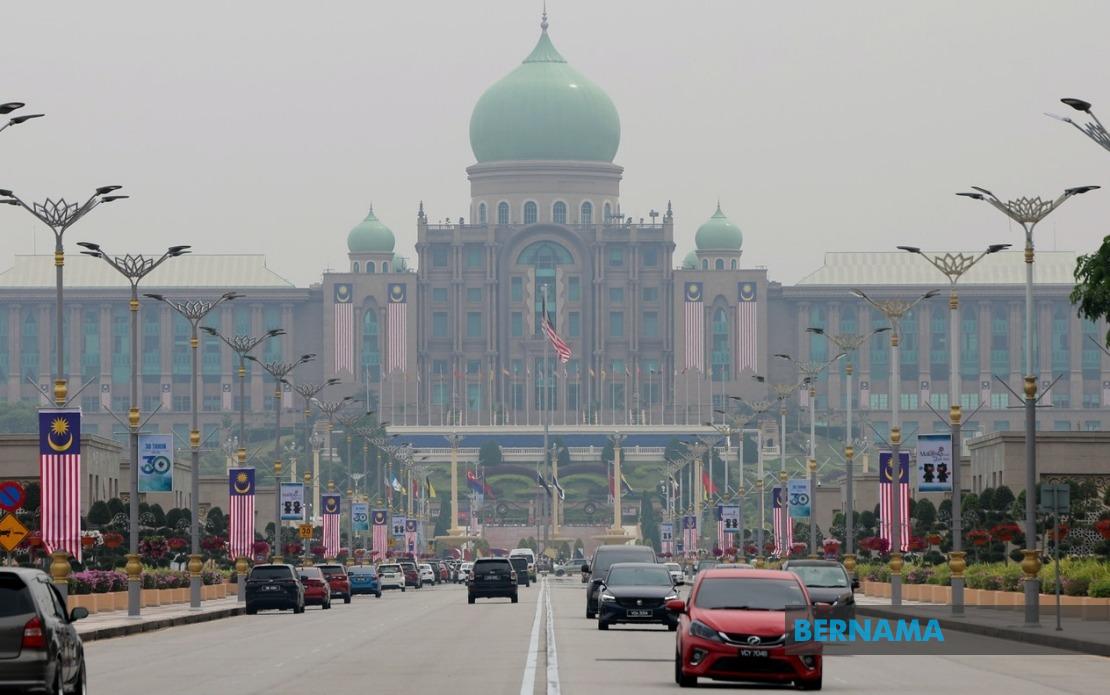
Prime Minister Datuk Seri Anwar Ibrahim will place the deteriorating regional haze crisis on the agenda during his two-day working visit to Brunei beginning tomorrow, where he will hold the 27th Malaysia-Brunei Annual Leaders' Consultation (ALC-27) with Sultan Hassanal Bolkiah. The transboundary air pollution phenomenon, which has intensified in recent weeks, represents a pressing environmental and health concern demanding urgent attention at the highest diplomatic levels between the two neighbouring nations.
Malaysian High Commissioner to Brunei Datuk Mohd Aini Atan confirmed at a media briefing in Bandar Seri Begawan that the haze situation will feature prominently among contemporary issues that both governments consider strategically important. The inclusion of this matter in the bilateral agenda underscores how environmental challenges transcend borders and demand coordinated regional responses, particularly when they affect the wellbeing of citizens and economic activities across multiple territories.
The timing of this discussion gains significance given that Sarawak, Malaysia's largest state by land area, currently bears the brunt of the pollution crisis. The presence of Sarawak Premier Tan Sri Abang Johari Tun Openg and Sabah Chief Minister Datuk Seri Hajiji Noor in the delegation ensures that ground-level perspectives from the most affected regions will inform the conversation between Anwar and the Sultan. Their participation signals Malaysia's commitment to presenting a comprehensive understanding of how the haze impacts not just federal concerns but the specific developmental and health priorities of East Malaysian states.
Brunel's involvement in these discussions carries particular weight given the sultanate's geographic proximity to the pollution sources and its own vulnerability to transboundary air currents. As an oil-rich nation with substantial investments in tourism and premium services sectors, Brunei shares Malaysia's economic interest in addressing the haze, which disrupts travel, dampens business confidence, and poses respiratory health risks to its relatively small but prosperous population. The inclusion of this issue in the ALC framework demonstrates how environmental governance has become inseparable from modern bilateral relations.
Current air quality data illustrates the severity of the situation across Sarawak's population centres. The Malaysian Air Pollutant Index Management System recorded Serian at a "very unhealthy" level of 204 as of 5 pm on August 20, with five additional towns registering readings in the "unhealthy" range. Kuching, the state capital, measured 195, while Samarahan recorded 182, Sri Aman 179, Sarikei 158, and Sibu 152. These figures, which breach recommended air quality thresholds established by health authorities, reflect a situation where outdoor activities face restrictions, vulnerable populations including children and the elderly require protective measures, and businesses dependent on tourism or outdoor commerce experience operational challenges.
The Annual Leaders' Consultation mechanism between Malaysia and Brunei represents the apex of bilateral engagement, traditionally focusing on strategic cooperation, trade, security, and regional stability. By incorporating the haze issue into this framework, both governments acknowledge that environmental degradation poses threats equivalent to traditional security concerns. This reflects evolving geopolitical thinking in Southeast Asia, where climate and environmental challenges increasingly command attention alongside conventional diplomatic priorities.
Sarawak's particular vulnerability stems from its geographic position relative to major peat and forest lands across the region, combined with seasonal weather patterns that concentrate smoke and particulate matter in localized basins. The state's rapid economic development has created populations concentrated in urban centres that depend heavily on clear air for quality of life and economic activity. Premier Abang Johari's presence in the delegation will enable him to articulate both the immediate humanitarian dimensions of the crisis and the longer-term implications for Sarawak's economic trajectory and public health infrastructure.
The discussions between Anwar and Sultan Hassanal Bolkiah may address several practical dimensions of the haze challenge. These could include sharing of air quality monitoring data through bilateral channels, coordination of fire prevention and land management practices in border regions, harmonization of health advisories and public communication strategies, and potentially joint advocacy for regional emissions reduction standards. Brunei's experience managing its own limited land territory while maintaining environmental standards could offer comparative lessons relevant to Sarawak's situation.
For Malaysia more broadly, bringing the haze to the bilateral discussion table signals a recalibration of priorities under Anwar's administration. Environmental sustainability has increasingly featured in government rhetoric and policy frameworks, yet translating this commitment into concrete regional agreements requires sustained diplomatic engagement. The inclusion of this issue in high-level consultations suggests that environmental governance has moved beyond technical ministry discussions into the realm of prime ministerial attention and cross-border negotiation.
The ALC-27 meeting occurs amid broader Southeast Asian efforts to address transboundary haze, a phenomenon that annually affects multiple nations across the region. Malaysia's approach through bilateral engagement with Brunei complements its participation in multilateral frameworks and its relationships with Indonesia, where the most significant pollution sources originate. By engaging sultanate-level discussions, Malaysia strengthens the diplomatic foundation necessary for more ambitious regional agreements on environmental protection and sustainable resource management.
Beyond the immediate haze crisis, the timing of Anwar's visit allows the two leaders to review the comprehensive bilateral relationship spanning trade, defence cooperation, cultural exchanges, and maritime security. The inclusion of environmental issues within this broader consultation framework reflects how Southeast Asian governments now integrate ecological considerations into their overall foreign policy architecture, recognizing that national development objectives and environmental stewardship are mutually reinforcing rather than contradictory imperatives for long-term stability and prosperity.

