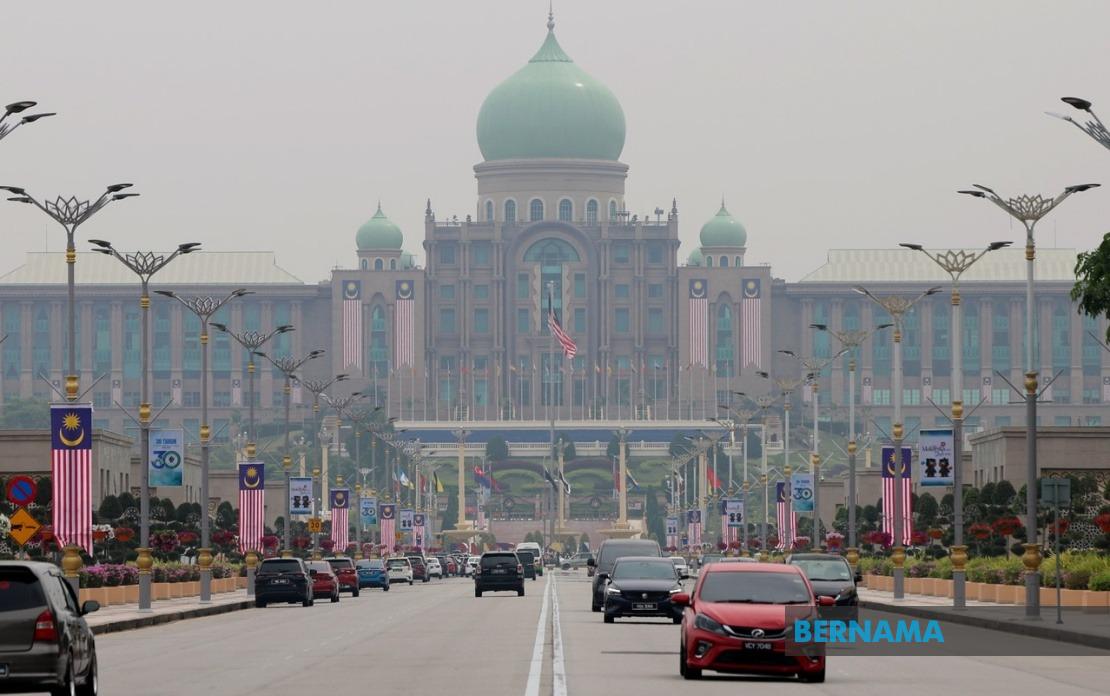
Malaysia braces for deteriorating air quality over the coming days, with meteorologists warning that multiple regions face hazardous conditions through the end of August. The Malaysian Meteorological Department has issued forecasts indicating that southwestern areas of the country remain particularly vulnerable to transboundary haze originating from Indonesia, threatening to coincide with major national celebrations scheduled for the final week of the month.
According to Dr Mohd Hisham Mohd Anip, the director-general of MetMalaysia, the persistent atmospheric phenomenon stems from two primary factors: the active southwest monsoon winds currently dominating weather patterns across Southeast Asia, combined with an elevated number of active hotspots detected in southern Sumatra and western Kalimantan. This combination creates ideal conditions for smoke dispersion across the maritime region, with Malaysia positioned directly in the trajectory of the prevailing winds. The agency's Malaysian Community Multiscale Air Quality Model indicates that the situation will persist through August 31, marking a concerning stretch for outdoor activities and public health.
Sarawak faces the most severe risk among all Malaysian states, according to MetMalaysia's modeling. The forecasts suggest that most districts in the state will experience air quality levels classified as Unhealthy, with particular vulnerability on August 30 and 31, when several areas may deteriorate further to the Very Unhealthy category. This represents a significant concern for a state already accustomed to seasonal haze challenges, with implications for schools, workplaces, and vulnerable populations including children, the elderly, and individuals with respiratory conditions.
Sabah will begin experiencing hazardous haze conditions from Saturday onwards, while the Peninsular Malaysian states along the western seaboard face sustained exposure to elevated haze concentrations. Johor, Melaka, Negeri Sembilan, Selangor, Kuala Lumpur, and Putrajaya are all positioned within the modeling predictions for poor air quality extending through August 31. For the federal capital region, this timing is particularly sensitive given the scheduled National Day commemoration and related governmental activities planned for that date.
The convergence of environmental conditions and the national calendar has prompted governmental consideration of operational adjustments. Communications Minister Datuk Seri Fahmi Fadzil indicated that authorities are actively evaluating whether to reduce the scale of festivities or relocate the National Day celebration to an alternate location less affected by haze. Such decisions carry significant implications, as these celebrations represent important moments of national unity and involve extensive logistical coordination across multiple agencies and public participation.
Prime Minister Datuk Seri Anwar Ibrahim has appealed to Malaysians to pray for continued management of the situation, acknowledging the ongoing preparations for both the August 31 National Day commemorations and the September 16 Malaysia Day observances. The dual celebrations require substantial governmental machinery engagement, making any disruptions or adjustments complex undertakings. The timing of the haze forecasts creates planning uncertainty during a period when administrative resources are already stretched across celebration preparations.
MetMalaysia maintains continuous monitoring of atmospheric conditions and hotspot activity across the region, with forecasters committed to updating their predictions as new meteorological data becomes available. The agency's proactive stance reflects the unpredictable nature of transboundary haze, where minute-to-minute weather pattern shifts can significantly alter pollution trajectories and concentrations. Regular updates to the public are essential, particularly given the potential health implications and the need for individuals to make informed decisions regarding outdoor exposure.
The current situation exemplifies the broader challenge of transboundary air pollution that repeatedly confronts Malaysia during particular monsoon seasons. Unlike localized pollution sources, this phenomenon originates from agricultural burning and forest clearing in neighboring Kalimantan and Sumatra regions, placing Malaysian authorities in a reactive rather than preventative position. Diplomatic engagement and bilateral cooperation on environmental management remain ongoing efforts, yet immediate relief depends primarily on favorable meteorological shifts or diminished burning activities across the border.
For the general population, the forecasts necessitate practical adjustments to daily routines and activities. Outdoor events, sports competitions, and school activities may require postponement or relocation to indoor venues. Individuals with asthma, bronchitis, or other respiratory conditions should exercise heightened caution and ensure adequate supplies of prescribed medications. Air purifiers experience surging demand during such periods, and face masks conforming to appropriate standards become essential protective equipment for those who must venture outdoors.
The National Day celebration decision carries broader significance beyond the immediate logistics of event management. It reflects governmental responsiveness to environmental conditions affecting citizen welfare and the willingness to adapt national observances in the face of public health considerations. Any modifications to scheduled commemorations will require transparent communication to ensure public understanding and maintained enthusiasm for national celebrations despite the necessary adjustments.
Looking ahead, the meteorological department's continuous assessment will prove crucial in guiding both governmental response and public preparedness. The forecasted window through August 31 represents a critical period that will test air quality management protocols and institutional coordination. As Malaysia approaches these significant national dates, the interplay between environmental conditions, governmental planning, and public participation will demonstrate how the nation navigates environmental challenges during moments of heightened national activity.

