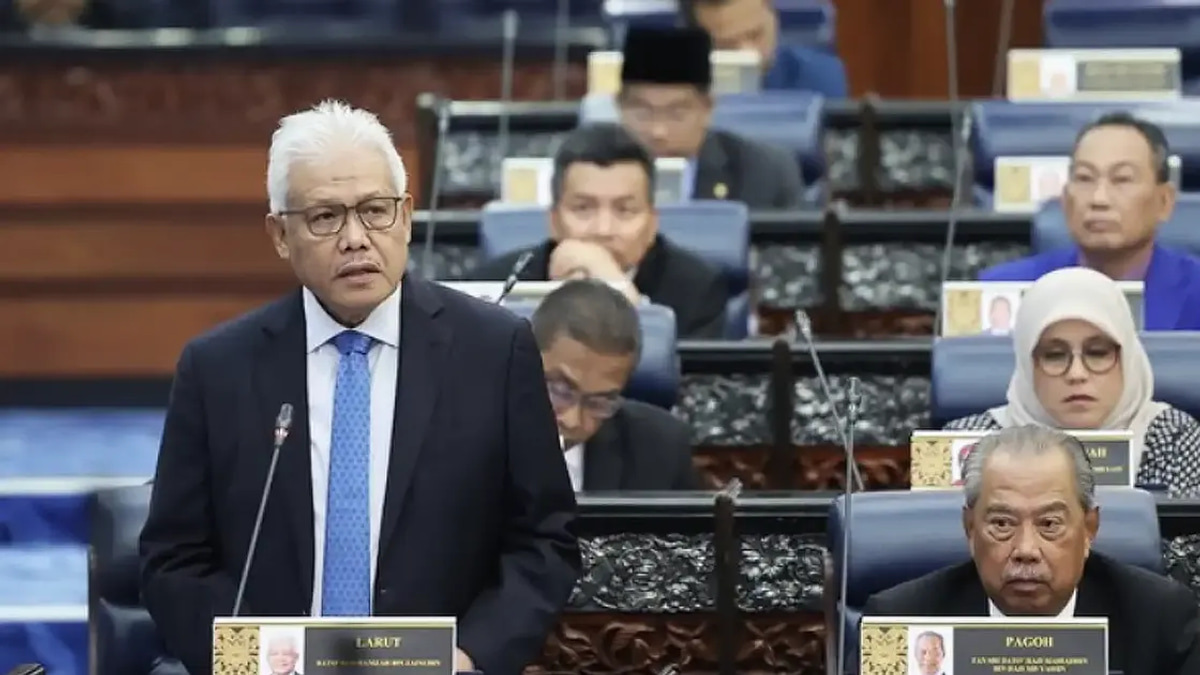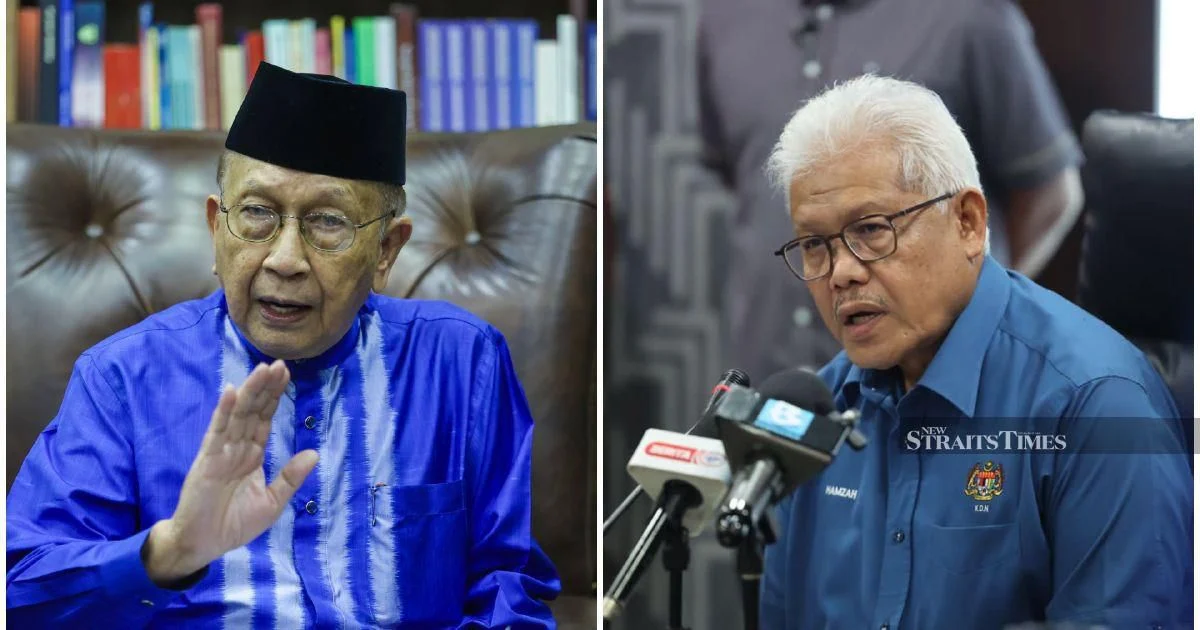
Parti Wawasan Negara has formally unveiled the composition of its central leadership committee, signalling a consolidation of political experience within the relatively nascent party. The announcement comes as the political outfit seeks to establish itself as a credible force in Malaysia's increasingly fragmented political landscape, drawing on the profiles of individuals with extensive parliamentary and ministerial backgrounds.
The inclusion of veteran politicians in the party's upper echelon reflects a deliberate strategy to leverage established reputations and networks. Former government figures who have held significant portfolios bring with them institutional knowledge and relationships that can facilitate the party's organisational development and electoral positioning. This formation suggests that Wawasan Negara is positioning itself not as a grassroots political insurgency, but rather as a party anchored in conventional political establishments.
The appointment of individuals across different professional backgrounds—spanning former ministers, sitting and former members of parliament, and professionals from non-political sectors—indicates a bid to project broader appeal. Such diversity in the committee composition can enhance the party's credibility among various voter demographics and provide technical expertise in policy formulation and governance. The inclusion of professionals from outside politics may also signal an attempt to differentiate the party from its competitors by emphasising competence and technocratic governance.
For Malaysian politics, Wawasan Negara's leadership announcement comes at a critical juncture. The nation's political landscape has undergone significant realignment in recent years, with the traditional dominance of established coalitions being tested by alternative political formations and shifting voter preferences. The emergence of this new party, particularly with such a prominent leadership line-up, adds another variable to an already complex electoral calculus heading into future national and state-level contests.
The political implications extend beyond mere party machinery. The recruitment of established figures into Wawasan Negara may signal that some veteran politicians perceive limited opportunities within their previous political homes or view the new party as offering a better platform for their political ambitions. This pattern of political migration often reflects deeper shifts in coalition dynamics and voter sentiment that merit careful observation by political analysts and constituencies alike.
For ordinary Malaysians, the significance of Wawasan Negara's leadership announcement lies in what it portends for political competition and policy offerings in coming elections. When multiple parties field leadership teams populated by experienced figures with overlapping policy orientations, voter choice becomes increasingly nuanced. Distinguishing between parties requires attention to specific policy platforms rather than relying on party heritage or established brand identity.
The timing and composition of this leadership announcement also warrant consideration within the Southeast Asian context. Malaysia's political trajectory influences regional stability and democratic practices. The emergence of new political formations and the manner in which they recruit, organise, and operate contribute to the broader health of Malaysia's institutional frameworks. The inclusion of former ministers and parliamentarians in Wawasan Negara's structure could either strengthen democratic resilience through expanded competition or complicate governance if it splinters vote-banks and produces coalition fragmentation.
From an international relations perspective, political observers abroad monitor such developments to assess Malaysia's political stability and predictability. The consolidation of experienced political figures into a new party structure can project either organisational stability or hint at fissures within previously dominant coalitions that external stakeholders should note.
Moving forward, the effectiveness of Wawasan Negara's leadership structure will ultimately depend on translating organisational credentials into electoral performance and policy delivery. The presence of veteran politicians and professionals in central committee positions provides the party with operational infrastructure, but success requires mobilising grassroots support, articulating distinctive policy platforms, and navigating the complex mechanics of Malaysia's electoral system.
The announcement also invites scrutiny regarding how this new party navigates Malaysian politics' institutional requirements. Parties must register formally, comply with electoral commission regulations, build membership bases, and secure funding—all while competing against organisations with entrenched institutional advantages. Wawasan Negara's leadership team's experience with these mechanisms may provide significant advantages in meeting these obligations efficiently.
Ultimately, Hamzah Zainudin and Rais Yatim's stewardship of Wawasan Negara represents an attempt to create a political alternative drawing on proven political capital. Whether this translates into meaningful electoral influence or remains a peripheral player in Malaysia's competitive party system will depend on factors extending well beyond leadership announcements—including organisational capacity, fundraising capability, and the party's ability to connect with voters across different demographic and geographic segments.
%22%2F%3E%3C%2Fpattern%3E%3C%2Fdefs%3E%3Crect%20width%3D%22100%25%22%20height%3D%22100%25%22%20fill%3D%22url(%23ph2rwkog)%22%2F%3E%3Crect%20width%3D%22100%25%22%20height%3D%22100%25%22%20fill%3D%22url(%23ph2rwkop)%22%2F%3E%3Ctext%20x%3D%2250%25%22%20y%3D%2250%25%22%20text-anchor%3D%22middle%22%20dominant-baseline%3D%22central%22%20fill%3D%22rgba(255%2C255%2C255%2C0.95)%22%20font-family%3D%22Georgia%2C%20'Times%20New%20Roman'%2C%20serif%22%20font-weight%3D%22700%22%20font-size%3D%22320%22%20letter-spacing%3D%22-0.02em%22%3EMuda%3C%2Ftext%3E%3C%2Fsvg%3E)
%22%2F%3E%3C%2Fpattern%3E%3C%2Fdefs%3E%3Crect%20width%3D%22100%25%22%20height%3D%22100%25%22%20fill%3D%22url(%23ph32kvkg)%22%2F%3E%3Crect%20width%3D%22100%25%22%20height%3D%22100%25%22%20fill%3D%22url(%23ph32kvkp)%22%2F%3E%3Ctext%20x%3D%2250%25%22%20y%3D%2250%25%22%20text-anchor%3D%22middle%22%20dominant-baseline%3D%22central%22%20fill%3D%22rgba(255%2C255%2C255%2C0.95)%22%20font-family%3D%22Georgia%2C%20'Times%20New%20Roman'%2C%20serif%22%20font-weight%3D%22700%22%20font-size%3D%22170%22%20letter-spacing%3D%22-0.02em%22%3EMalaysia%3C%2Ftext%3E%3C%2Fsvg%3E)