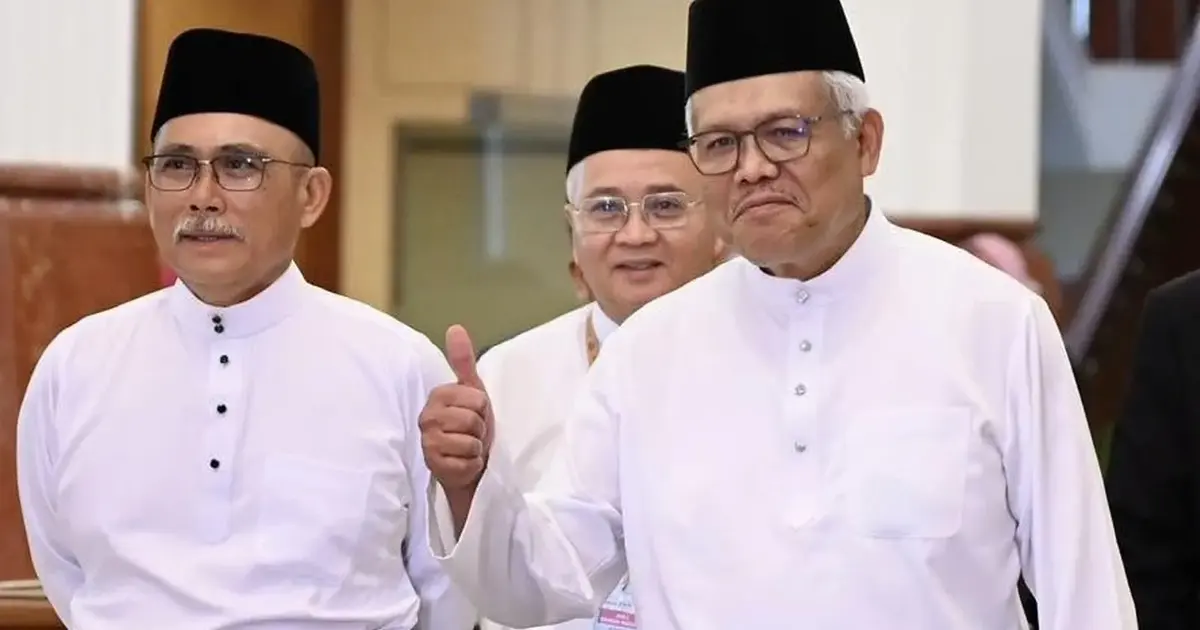
The decision to name Hamzah Zainudin, the Larut MP, as the opposition leader has been defended on the grounds of substantial political support coalescing behind his candidacy. Kiandee, currently serving in a suspended capacity as Bersatu's vice-president, provided the explanation for the appointment, emphasising the breadth of backing the Larut representative has secured across multiple party structures in the opposition bloc.
At the heart of the justification lies the unified endorsement that Hamzah garnered from PAS, Malaysia's largest Islamist party by parliamentary representation. Rather than scattered individual support from PAS members, Kiandee's claim suggests that the party issued formal bloc endorsement, signalling organisational cohesion behind the leadership decision. This unified party-level backing represents a significant political statement within Malaysia's fractionalised parliamentary landscape, where cross-party consensus on leadership positions remains rare and politically consequential.
Beyond PAS's collective support, Hamzah's appointment rests on demonstrated majority backing within Bersatu's parliamentary caucus. This internal party endorsement reflects confidence among the majority of Bersatu MPs in his ability to represent opposition interests and navigate the complex dynamics of leading a coalition from outside government. For a party that has undergone considerable internal turmoil and factional tensions in recent years, securing majority support on such a significant leadership matter suggests a degree of unity that observers have often found elusive within Bersatu's ranks.
The combination of these two pillars of support—PAS's organisational endorsement and Bersatu's parliamentary majority—constructs what appears to be a deliberate strategy to demonstrate legitimacy for Hamzah's leadership. In Malaysian parliamentary politics, where coalition governments require careful management of competing interests and personalities, the ability to show broad-based support across different opposition parties lends credibility to a leadership appointment. It signals to other opposition MPs, the government, and the public that this is not a decision made by a narrow faction but reflects genuine consensus among significant portions of the opposition bloc.
Kiandee's role in articulating this explanation carries particular weight and complexity. As a vice-president of Bersatu, albeit in a suspended capacity, his public statements about party decisions carry institutional significance. Yet his suspended status introduces nuance to the narrative—it suggests his willingness to publicly defend a leadership decision despite his current removal from active party roles. This positioning may indicate that the decision to appoint Hamzah enjoys support even among party figures operating outside their usual roles.
The emphasis on majority rather than unanimous support warrants attention to the underlying political realities. Malaysian politics rarely achieves unanimity on major decisions, and Kiandee's careful language acknowledges that opposition to or reservations about Hamzah's appointment likely exist within both PAS and Bersatu. However, by framing the support as coming from a majority, the narrative establishes that concerns represent minority viewpoints rather than meaningful obstacles to the leadership decision.
Hamzah's previous role and standing within the opposition undoubtedly influenced the appointment process. His experience navigating Malaysian politics and his relationships across different opposition parties would have been relevant considerations for the selection process. The Larut constituency's significance and Hamzah's track record in representing his constituents may also have factored into assessments of his suitability for an elevated opposition leadership role.
The appointment of an opposition leader carries implications for parliamentary dynamics and the opposition's effectiveness in scrutinising government policy and performance. A leader with acknowledged support across multiple parties can speak with greater authority when raising concerns about government actions and can potentially coordinate opposition members more effectively on matters of party importance. Conversely, the appointment process itself—and how transparent or contested it has been—affects perceptions of opposition unity and strategic direction.
For Malaysian voters and observers tracking opposition developments, Kiandee's explanation offers insight into how decisions of this magnitude are negotiated and justified within coalition structures. The emphasis on broad-based support attempts to counter any narrative that Hamzah's appointment resulted from backroom dealing or narrow factional manoeuvring. Whether this explanation satisfies critics who question the legitimacy or timing of the appointment decision remains an open question within Malaysia's ongoing political discourse.
The political economy of opposition leadership in Malaysia reflects the reality that those holding such positions must maintain delicate balances among competing personalities, interests, and party structures. Hamzah's appointment to lead the opposition bloc represents not merely a personnel decision but a statement about which leader possesses sufficient credibility and support to represent the diverse interests within the opposition coalition. Kiandee's public defence of this choice underscores the importance that opposition figures place on establishing and communicating the legitimacy of such decisions to broader political audiences.

%22%2F%3E%3C%2Fpattern%3E%3C%2Fdefs%3E%3Crect%20width%3D%22100%25%22%20height%3D%22100%25%22%20fill%3D%22url(%23ph21o2sg)%22%2F%3E%3Crect%20width%3D%22100%25%22%20height%3D%22100%25%22%20fill%3D%22url(%23ph21o2sp)%22%2F%3E%3Ctext%20x%3D%2250%25%22%20y%3D%2250%25%22%20text-anchor%3D%22middle%22%20dominant-baseline%3D%22central%22%20fill%3D%22rgba(255%2C255%2C255%2C0.95)%22%20font-family%3D%22Georgia%2C%20'Times%20New%20Roman'%2C%20serif%22%20font-weight%3D%22700%22%20font-size%3D%22170%22%20letter-spacing%3D%22-0.02em%22%3EGabungan%3C%2Ftext%3E%3C%2Fsvg%3E)