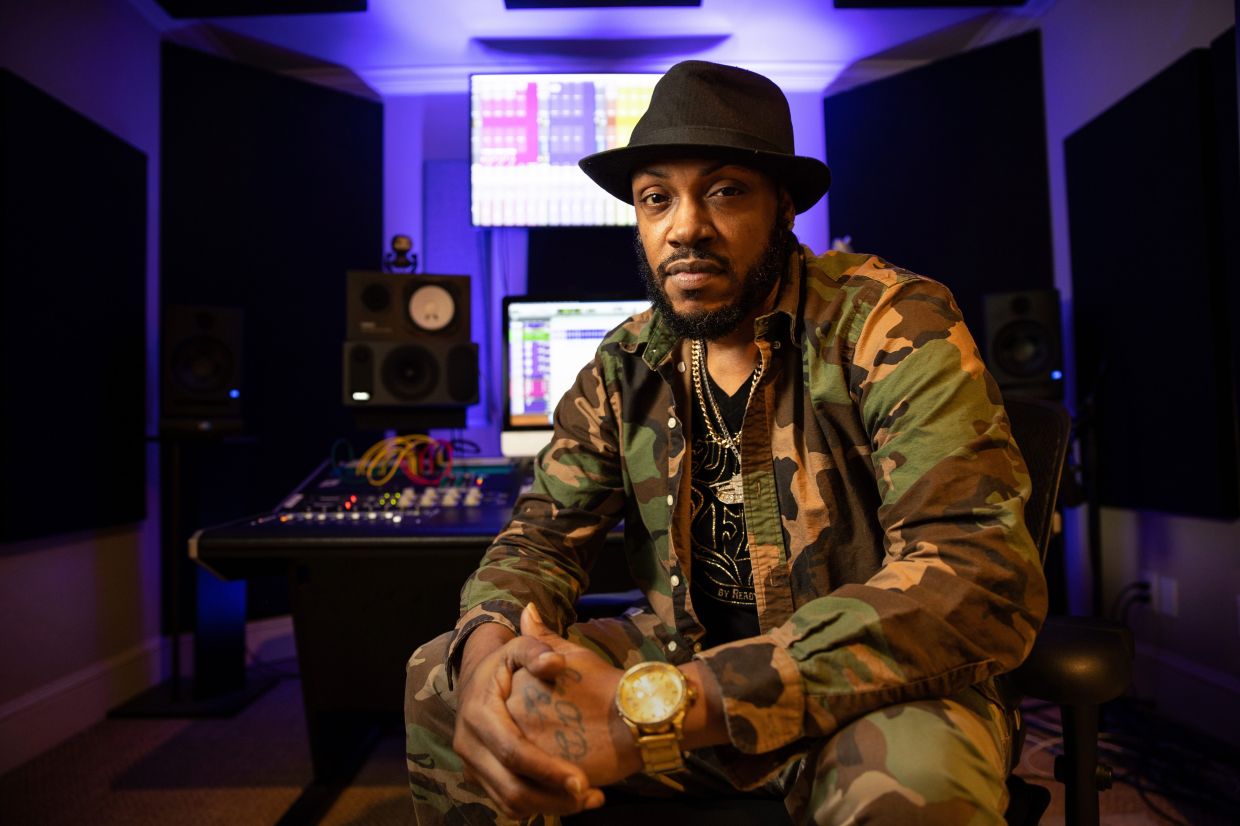
Michael Lawrence Tyler, known professionally as Mystikal, has been handed a 20-year prison sentence for sexually assaulting a woman at his Prairieville, Louisiana residence in 2022. The once-celebrated Louisiana hip-hop artist, who achieved widespread commercial success in the 1990s and early 2000s, entered a guilty plea to third-degree rape in March as part of a negotiated settlement that capped his penalty well below the maximum possible term. The sentencing marks a dramatic fall from grace for an entertainer who earned multiple Grammy nominations during the height of his career and was once considered a significant figure in American rap music.
The plea agreement proved instrumental in reducing the severity of charges against the rapper. Prosecutors originally pursued a first-degree rape charge, which would have mandated a life sentence upon conviction. By accepting responsibility for the lesser third-degree charge, Mystikal negotiated a maximum potential sentence of 20 years—five years shorter than the most severe punishment allowable under Louisiana law for that specific offense. This strategic legal manoeuvre reflected common practice in high-profile criminal cases where prosecution and defence seek to avoid prolonged trial proceedings.
However, just days before the formal sentencing hearing on Tuesday, Mystikal's legal team attempted a dramatic reversal. The rapper petitioned the presiding judge to withdraw his guilty plea, claiming in court filings that he "did not have sufficient opportunity to fully consider the consequences" of his admission, according to reports from ABC affiliate WBRZ. The eleventh-hour motion suggested possible recalculations regarding the strength of the prosecution's case or dissatisfaction with his legal representation's advice, though the judge ultimately rejected the withdrawal request and proceeded with sentencing as scheduled.
The victim's testimony during the sentencing proceeding painted a harrowing account of the alleged assault. Speaking directly before the judge, she detailed a physical and sexual attack that included punching, choking, and forcible hair removal prior to rape. Her statement held particular emotional weight, as she implored the court to impose the maximum allowable sentence—a request that underscored the severity of trauma she sustained. This victim impact testimony represents a crucial component of modern criminal sentencing procedures, giving those harmed an opportunity to articulate the lasting consequences of violent crimes.
Mystikal's response to the victim's plea demonstrated a striking shift in demeanour from his attempted last-minute plea withdrawal. According to WBRZ's reporting, the rapper acknowledged his wrongdoing directly to his accuser, stating: "If I did that to you, I deserve the max sentence." This admission, made in open court moments before sentencing, appeared to signal acceptance of accountability, contrasting sharply with his legal team's simultaneous efforts to escape the guilty plea. The statement provided the judge with an on-the-record acknowledgement of culpability that may have influenced the ultimate sentencing decision.
The timeline of detention reveals the serious nature with which authorities treated the allegations from the outset. Mystikal has remained incarcerated without bond at the Ascension Parish Jail since his 2022 arrest, meaning he spent the entire period between initial detention and sentencing in custody. This absence of bail reflects judicial determination that he posed either a substantial flight risk or a danger to the community—a significant threshold that shapes all subsequent legal proceedings.
This conviction is not the rapper's first encounter with the criminal justice system regarding sexual misconduct. In 2003, two decades prior to the current case, Mystikal pleaded guilty to sexual battery and received a six-year prison sentence. That earlier conviction represented a watershed moment in his career, effectively interrupting the momentum of his professional achievements. The 2003 case resulted in Grammy nominations in two categories that year, including recognition for best rap album, suggesting that his artistic profile remained substantial even as his legal troubles mounted.
Mystikal's rise to national prominence occurred during hip-hop's explosive growth throughout the 1990s and into the early 2000s. He became known for high-energy performances and distinctive vocal delivery that distinguished his work from contemporaries. His commercial breakthrough and sustained chart presence earned him genuine recognition within the music industry, culminating in multiple Grammy nominations that validated his contributions to American popular music. However, his career trajectory has been permanently altered by repeated allegations of sexual violence.
The case carries implications extending beyond one individual's consequences. High-profile criminal convictions involving entertainers generate broader cultural conversations about accountability, power dynamics, and the experiences of survivors who come forward against famous figures. In Malaysia and Southeast Asia, where audiences consume substantial American entertainment content, such developments prompt local audiences to reassess their engagement with artists who have committed serious crimes. The sentencing outcome also reflects evolving standards within the entertainment industry regarding consequences for criminal conduct, particularly sexual violence.
Myistikal's representatives did not provide immediate comment regarding the conviction or sentencing, leaving interpretation of events to court records and victim testimony. The apparent lack of public response from his legal team may reflect strategic decisions to avoid further complicating an already complex situation or emerging from this latest chapter with minimal additional publicity.
The 20-year sentence ensures that Mystikal will spend a substantial portion of his remaining life in prison, effectively concluding any possibility of professional musical career revival. For a generation of listeners who grew up with his music, the conviction and extended incarceration serve as sobering reminders of the distinction between artistic achievement and personal conduct. The case underscores that professional accomplishments, regardless of their magnitude or cultural significance, do not exempt individuals from accountability for serious criminal acts.

%22%2F%3E%3C%2Fpattern%3E%3C%2Fdefs%3E%3Crect%20width%3D%22100%25%22%20height%3D%22100%25%22%20fill%3D%22url(%23ph21o2sg)%22%2F%3E%3Crect%20width%3D%22100%25%22%20height%3D%22100%25%22%20fill%3D%22url(%23ph21o2sp)%22%2F%3E%3Ctext%20x%3D%2250%25%22%20y%3D%2250%25%22%20text-anchor%3D%22middle%22%20dominant-baseline%3D%22central%22%20fill%3D%22rgba(255%2C255%2C255%2C0.95)%22%20font-family%3D%22Georgia%2C%20'Times%20New%20Roman'%2C%20serif%22%20font-weight%3D%22700%22%20font-size%3D%22170%22%20letter-spacing%3D%22-0.02em%22%3EGabungan%3C%2Ftext%3E%3C%2Fsvg%3E)