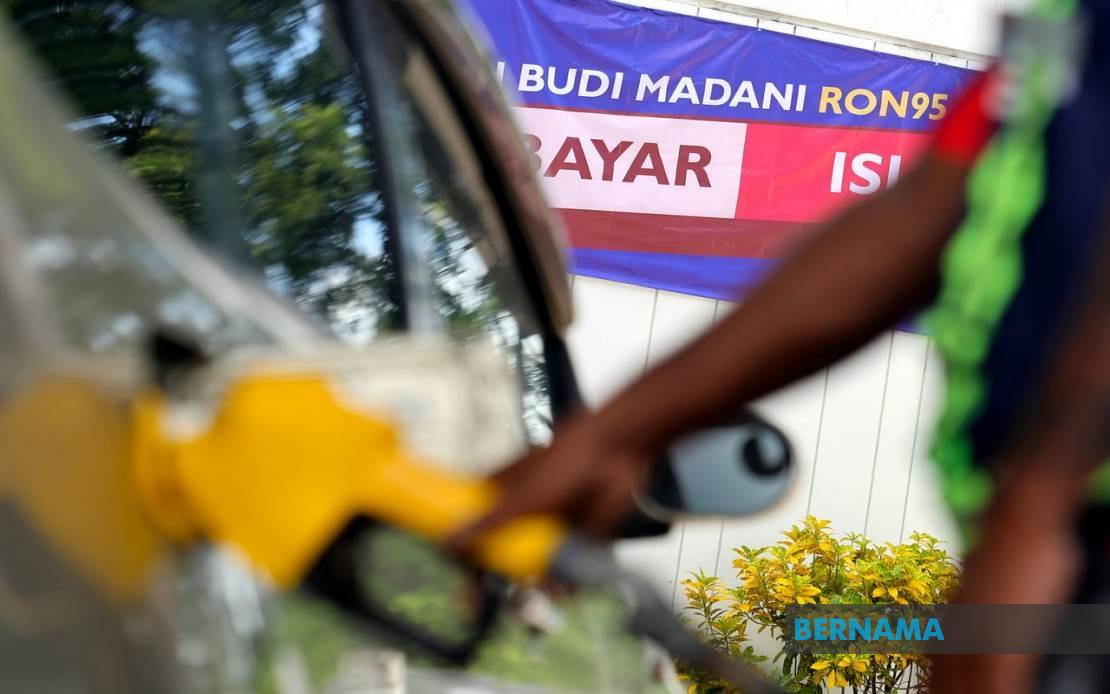
The Malaysian government has decided to reverse an earlier cost-cutting measure and restore the basic monthly fuel quota under the Budi MADANI RON95 (BUDI95) subsidy programme to its original 300-litre allocation per user. Prime Minister Datuk Seri Anwar Ibrahim announced the reversal during his National Day address at the Putrajaya International Convention Centre, signalling a significant policy shift that responds to concerns over the impact of reduced fuel allocations on Malaysian motorists.
The restoration directly affects more than 16 million users who depend on the subsidised RON95 fuel programme, a substantial portion of the country's driving population. For these consumers, the decision represents a return to more generous monthly fuel allowances after the government had signalled intentions to tighten the scheme. The announcement comes as a relief to households already managing rising living costs and transportation expenses, making the reversal a notable political and economic decision during a period of regional uncertainty.
The government's about-face is particularly significant given that it reverses an announcement made just months earlier. In March, authorities had stated that the BUDI95 quota would be reduced from 300 litres to 200 litres monthly, effective from April 1, 2026. That decision had been framed as a necessary adjustment in light of geopolitical tensions in West Asia, which had complicated global energy markets and raised concerns about fuel price stability. By rescinding the planned cut, the administration appears to have determined that either economic conditions have improved or that the political and social costs of restricting fuel access outweigh budgetary considerations.
Diesel vehicle owners will also benefit from the government's expanded support for fuel subsidies. More than half a million eligible owners of diesel-powered pick-up trucks and jeeps will now receive up to 400 litres of Budi Diesel monthly, an allocation that recognises the importance of commercial and utility vehicles to Malaysia's economy. These vehicles play critical roles in agriculture, construction, transportation, and small business operations across both urban and rural areas, and maintaining their fuel access addresses economic productivity concerns beyond ordinary household consumption.
The subsidised RON95 price remains fixed at RM1.99 per litre, unchanged from earlier determinations. This pricing structure, combined with the restored quota, creates a predictable cost framework for budget-conscious drivers and small business operators who rely on affordable fuel to manage operational expenses. The stability of fuel pricing helps households and enterprises plan their transportation budgets with greater certainty, a particularly important factor in Malaysia's competitive business environment.
The restoration reflects broader economic policy considerations that extend beyond simple accounting. While fuel subsidies represent significant government expenditure, they serve multiple purposes within Malaysia's economy: they support household purchasing power, enable small business operations, assist agricultural and rural communities where public transport is limited, and maintain social stability by preventing the grievances that can accompany sudden fuel price increases. The government's decision suggests it has weighed these considerations against deficit concerns.
Regional context matters significantly here. Geopolitical tensions in West Asia have created genuine uncertainty about global energy supplies and pricing, making fuel subsidy policy particularly sensitive in Southeast Asia. Malaysia, as an energy-producing nation with its own oil and gas resources, has more flexibility in managing domestic fuel costs than many neighbours, yet even regional producers face pressures from volatile international markets. The government's willingness to sustain subsidies despite these pressures indicates confidence in Malaysia's fiscal capacity and energy security.
For Malaysian drivers and businesses, the practical impact centres on monthly budgeting and operational planning. The 300-litre monthly allowance for regular motorists translates to roughly 10 litres daily, sufficient for moderate commuting patterns but potentially tight for those with longer drives or multiple vehicles. Commercial operators with the higher diesel allocation can better manage logistics costs, which ultimately affects the prices consumers pay for goods and services across the economy.
The timing of this announcement, delivered during the National Day address, carries symbolic weight beyond policy substance. By presenting the restoration as a gift to citizens and workers on a national celebration, the Prime Minister framed fiscal policy as an expression of government concern for public welfare. This approach acknowledges that fuel subsidies, whatever their economic textbook status, remain emotionally and politically significant to ordinary Malaysians navigating daily expenses.
Looking forward, the sustainability of the restored subsidy programme depends on continued government commitment and economic management. Malaysia's fiscal position, commodity prices, and geopolitical developments will all influence whether these allocations can be maintained indefinitely. The government has signalled flexibility by reversing course once, suggesting it will monitor conditions and adjust as circumstances require, though such future adjustments could prove politically challenging if they involve further reductions.
The decision also reflects lessons from regional experience. Neighbouring countries that have attempted significant fuel subsidy cuts have sometimes faced public backlash and social unrest, making policymakers cautious about rapid policy shifts. Malaysia's choice to restore the BUDI95 quota may partly reflect awareness of these cautionary tales and a preference for gradualism over dramatic changes that could provoke widespread discontent.

