The Malaysian government is moving forward with significant amendments to rail transport legislation designed to crack down on the persistent problem of cable theft across the nation's railway infrastructure. Deputy Transport Minister Datuk Hasbi Habibollah revealed that proposed changes will substantially increase penalties for trespass and cable theft at national rail facilities, with fines potentially reaching RM100,000 for each offence. This represents a dramatic shift from existing legislation, under which offenders currently face maximum fines of only RM1,000—a sum widely regarded as insufficient deterrent given the scale of losses and operational disruptions caused by such crimes.
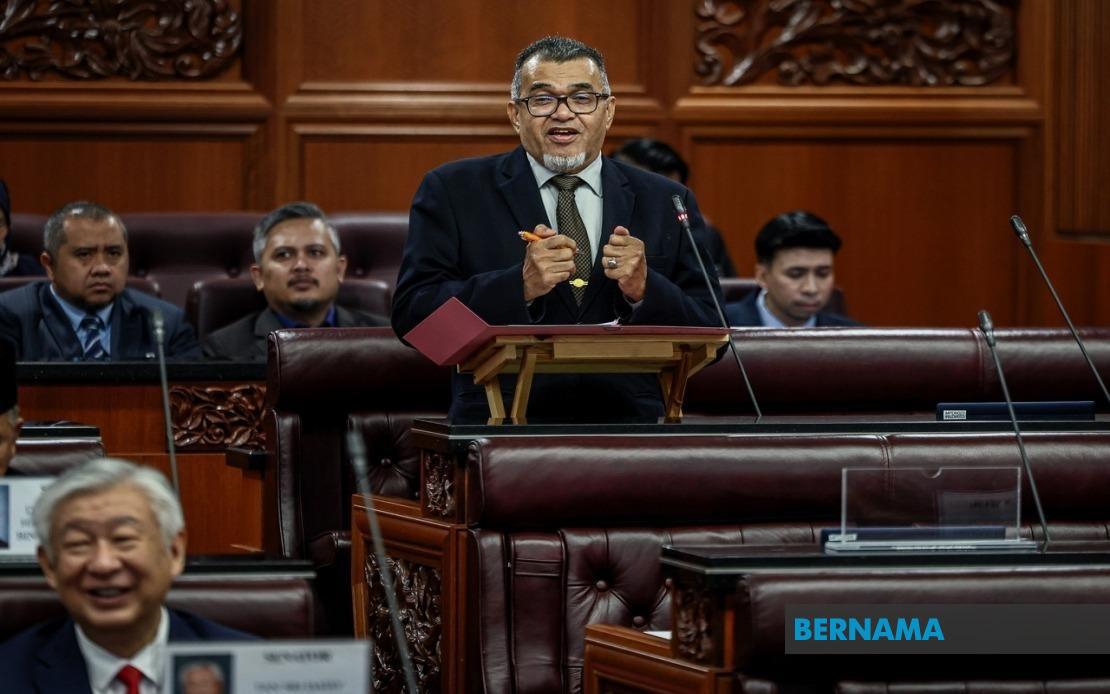
Addressing the Dewan Negara during a parliamentary question session, Hasbi outlined the government's timeline for advancing these amendments, indicating the revised legislation is likely to be presented to Parliament by the end of the year during the next legislative session. The urgency behind this initiative stems from the reality that current penalties are wholly disproportionate to the damage and financial burden imposed on railway operators. The proposed tenfold increase in maximum fines reflects growing recognition that existing deterrents have failed to meaningfully curtail criminal activity targeting railway infrastructure, which operates as a critical component of Malaysia's transport network and public services.
The scope of the problem is substantial. Across the nation's major rail operators and projects, cable theft has resulted in accumulated losses exceeding RM50 million. This figure encompasses damage to Keretapi Tanah Melayu Berhad's extensive network, Prasarana Malaysia Berhad's urban transport systems, and the under-construction East Coast Rail Link project. The problem is particularly acute along the ECRL, where 71 documented theft incidents have resulted in estimated losses of RM4.06 million alone. Additional cases involving theft and damage to related equipment and materials have caused a further RM0.69 million in losses, bringing the ECRL-specific total to RM4.75 million.
While the ECRL remains in construction phases and has not yet commenced passenger operations, the theft problem poses genuine threats to project timelines and ultimately to public service delivery. Cable theft and related infrastructure vandalism create cascading complications throughout implementation schedules, affecting installation work, system testing, commissioning procedures, and operational readiness. For a mega-infrastructure project of the ECRL's scale and national importance, such delays carry significant cost implications and push back the timeframe within which the railway can begin serving communities along the corridor.
Beyond legislative reform, the government is implementing comprehensive ground-level security enhancements to protect railway assets. A major initiative involves the installation of 1,146 closed-circuit television cameras positioned strategically along railway routes extending from Johor through the northern regions of the peninsula. This surveillance infrastructure aims to provide both deterrent value and investigative capability, enabling authorities to identify perpetrators and building evidence for prosecution under strengthened penalties. The investment in CCTV coverage represents a recognition that modern security infrastructure is essential for protecting expensive linear infrastructure that covers vast geographic areas.
Additional on-ground measures complement the technological security approach. Keretapi Tanah Melayu Berhad has procured 20 motorcycles equipped with scrambler capability, specifically assigned to Auxiliary Police units tasked with conducting intensive 24-hour patrols along vulnerable sections of the rail network. These mobile patrol units enable rapid response to security incidents and visible presence that can deter opportunistic theft. Complementing these human resources, the rail operator has implemented targeted physical security measures including the reinforcement and sealing of high-security access points such as manholes, preventing unauthorised entry to cable conduits and restricted areas.
Canine units—sniffer dogs trained for detection work—have been integrated into security protocols, providing another layer of detection capability. The multi-faceted approach combining surveillance, mobile patrols, physical barriers, and specialised detection resources demonstrates the seriousness with which authorities now regard cable theft as a security and operational priority. This comprehensive strategy reflects learning from international best practices in protecting linear infrastructure assets in developing economies where similar theft problems have been tackled through integrated security frameworks.
For Malaysian railway operators and the broader transport sector, these developments carry significant implications. Reducing cable theft directly translates to fewer service disruptions, more reliable schedules, and improved public confidence in rail transport as a viable alternative to road-based commuting. In the context of Malaysia's urbanisation and traffic congestion challenges, particularly in major metropolitan areas, reliable rail services are essential components of sustainable transport policy. The government's commitment to legislative reform and security investment signals recognition of this strategic importance.
The increased penalties also align with broader regional and global trends toward stricter enforcement against infrastructure crimes. Countries throughout Southeast Asia and beyond have recognised that severe penalties combined with visible enforcement create effective deterrent frameworks. Malaysia's proposed approach of raising maximum fines to RM100,000 places the country within peer standards for developed transport systems, where penalties must be calibrated to reflect both the financial harm and the public interest implications of infrastructure crimes.
From an enforcement perspective, the combination of heavier penalties and enhanced surveillance creates a more credible deterrent framework. Criminals engaging in organised cable theft operations conduct cost-benefit analyses; when penalties become substantial and detection probability increases through CCTV coverage and patrol presence, the relative advantage of theft diminishes markedly. Early evidence from similar enforcement initiatives in other countries suggests that visible security improvements combined with legislative strengthening can reduce theft incidents by 30 to 50 percent within the first 12 months of implementation.
The parliamentary discussion also underscores broader governance considerations regarding Malaysia's transport infrastructure vulnerability. Cable theft is not merely a criminal justice issue but reflects deficiencies in asset protection that affect public services and economic productivity. Every hour of train service disruption represents accumulated costs across the economy—commuters missing work, businesses operating below capacity, and economic activity constrained by transport unreliability. The government's comprehensive response therefore addresses economic efficiency alongside law and order.
Looking forward, the success of these initiatives will depend on consistent implementation and follow-through. Parliament's approval of amended legislation is essential but insufficient; enforcement agencies must demonstrate commitment to pursuing offenders vigorously, achieving convictions, and ensuring penalties reach the levels prescribed by updated law. Equally important is maintaining the infrastructure investments—CCTV systems require maintenance, patrols demand consistent resourcing, and detection capabilities need ongoing training and support. The true test of effectiveness will emerge during implementation phases across the coming 12 to 24 months.

