%22%2F%3E%3C%2Fpattern%3E%3C%2Fdefs%3E%3Crect%20width%3D%22100%25%22%20height%3D%22100%25%22%20fill%3D%22url(%23ph5ulg1g)%22%2F%3E%3Crect%20width%3D%22100%25%22%20height%3D%22100%25%22%20fill%3D%22url(%23ph5ulg1p)%22%2F%3E%3Ctext%20x%3D%2250%25%22%20y%3D%2250%25%22%20text-anchor%3D%22middle%22%20dominant-baseline%3D%22central%22%20fill%3D%22rgba(255%2C255%2C255%2C0.95)%22%20font-family%3D%22Georgia%2C%20'Times%20New%20Roman'%2C%20serif%22%20font-weight%3D%22700%22%20font-size%3D%22226%22%20letter-spacing%3D%22-0.02em%22%3EFormer%3C%2Ftext%3E%3C%2Fsvg%3E)
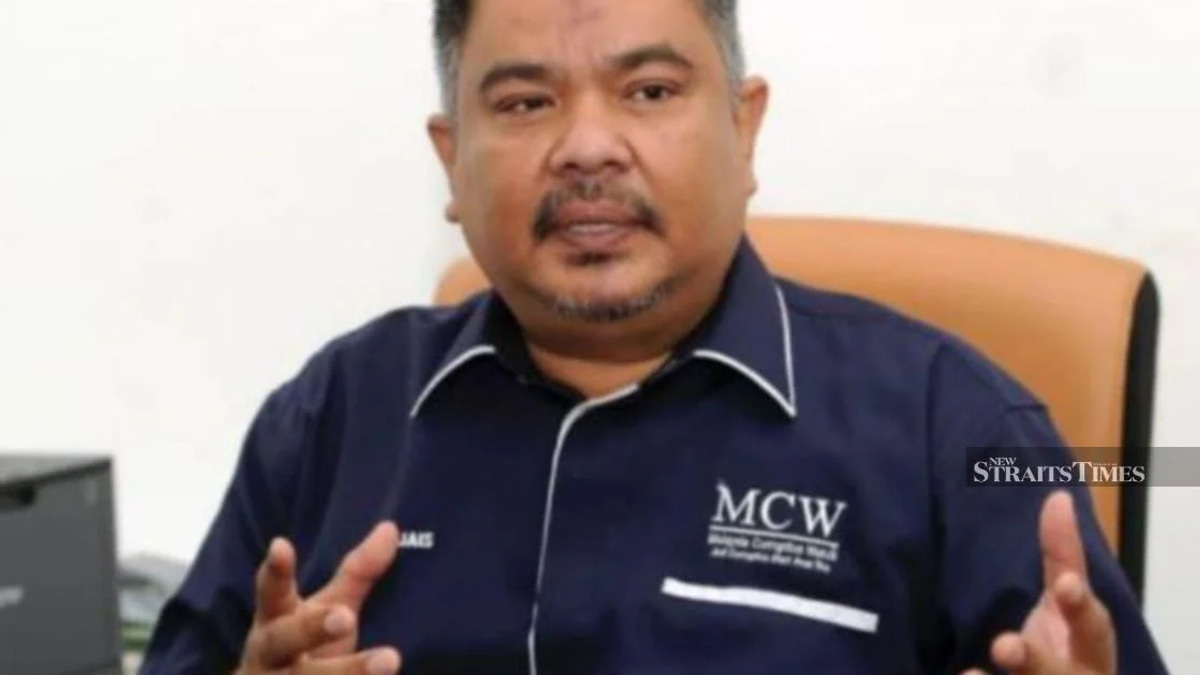
Hasnul Zulkarnain Abd Munaim, the former state assemblyman for Titi Serong, has taken the step of returning to Parti Amanah Negara, concluding a six-year absence from the party's fold. The readmission was formally approved during Amanah's National Management Meeting and National Leadership Meeting held on June 18, according to Perak Amanah chairman Datuk Asmuni Awi, who announced the development at the party's Tambun branch gathering in Ipoh.
The reinstatement represents a calculated move by party leadership to open its doors once again to former members who harbour lingering affection for Amanah's political mission and philosophical orientation. Datuk Asmuni Awi characterised the timing as opportune, noting that while Hasnul Zulkarnain had previously signalled his wish to rejoin the party, political circumstances had militated against such a discussion until now. The senior figure explained that Amanah's strategy aligns with approaches undertaken by rival political parties, suggesting that managed member readmission has become a normalised feature of Malaysian political practice.
Hasnul Zulkarnain's departure from Amanah in 2020 occurred during a particularly volatile period in Perak politics. In March that year, he publicly announced his exit alongside two other state legislators—Yong Choo Kiong from Tronoh and A. Sivasubramaniam from Buntong, both representing DAP—as the political landscape shifted dramatically with the formation of the Perikatan Nasional government at the state level. The three chose to abandon their party affiliations and adopt independent status, reflecting the extreme instability that characterised Malaysian politics during the tumultuous months following the Sheraton Move at the federal level.
The former assemblyman's journey did not end with independence. Within four months, in July 2020, Hasnul Zulkarnain made the transition to Bersatu, demonstrating the typical pattern of Malaysian politicians seeking refuge with parties perceived as ascending political forces. This trajectory—from Amanah to independence to Bersatu—encapsulates the fluid party-switching dynamics that have become endemic to Malaysian political culture, particularly in states like Perak where coalition majorities remain precarious and legislative arithmetic intensely competitive.
Party leadership has framed this readmission through the lens of organisational strengthening, with Datuk Asmuni Awi arguing that many who departed Amanah retain underlying ideological alignment and loyalty to the party's stated values. This reasoning suggests that Amanah views its former members not as defectors who require rehabilitation through extended probation, but rather as individuals whose departures were contextually determined rather than principled rejections of party ideology. The chair's comments intimate that contemporary Amanah leadership believes sufficient time has elapsed for reconciliation and that readmitting returning members can reinvigorate party morale and capacity.
Hasnul Zulkarnain himself emphasised gratitude toward the leadership council for facilitating his return, characterising the readmission as validation of his ability to serve the party's interests moving forward. His expression of appreciation suggests awareness that his previous departure and subsequent alliance with Bersatu required some form of reconciliation with party gatekeepers. By positioning himself as a returning member whose credentials remain intact, Hasnul Zulkarnain appears to be signalling commitment to contributing meaningfully to Amanah's organisational work, presumably within Perak where his legislative experience in the Titi Serong constituency provides local political relevance.
The readmission occurs within a broader context of Malaysian political flux, where coalition structures at both federal and state levels remain subject to constant recalibration. Perak has proven particularly susceptible to such instability, having experienced multiple shifts in government control over the past decade. For Amanah, welcoming back former members like Hasnul Zulkarnain may represent a pragmatic strategy to consolidate political presence in a state where its representation has grown increasingly fragile relative to competing coalition partners and opposition forces.
The timing of this readmission also reflects Amanah's positioning within the broader Pakatan Harapan alliance structure. As Perak approaches electoral cycles and coalition negotiations intensify, restoring dormant party membership and reactivating members with assembly-level experience provides Amanah with expanded human resource capacity for candidate selection and campaign operations. Hasnul Zulkarnain's prior experience as a state representative and youth division chief endows him with specific institutional knowledge and grassroots networks that may prove valuable for party operations.
For Malaysian political observers, this readmission exemplifies the ongoing phenomenon of permeable party boundaries and the relative ease with which politicians can exit and re-enter political organisations. Unlike democratic systems characterised by stricter party discipline and longer cooling-off periods for returning members, Malaysian politics accommodates fairly rapid cycling of party affiliations. The acceptance of Hasnul Zulkarnain's return without apparent preconditions or extended vetting procedures underscores how Malaysian parties frequently prioritise numerical strength and electoral viability over maintaining rigid membership standards or ideological consistency.
The broader implication for Amanah involves organisational resilience. By actively recruiting returning members, the party signals that it perceives sufficient stability and momentum to justify expanding its membership base. This confidence contrasts with periods of acute political weakness when parties become insular and suspicious of returnees. Amanah's openness to readmitting figures like Hasnul Zulkarnain therefore suggests party leadership's assessment that current circumstances permit modest organisational growth and renewal, even as the party grapples with maintaining its foothold within complex state-level coalition dynamics.