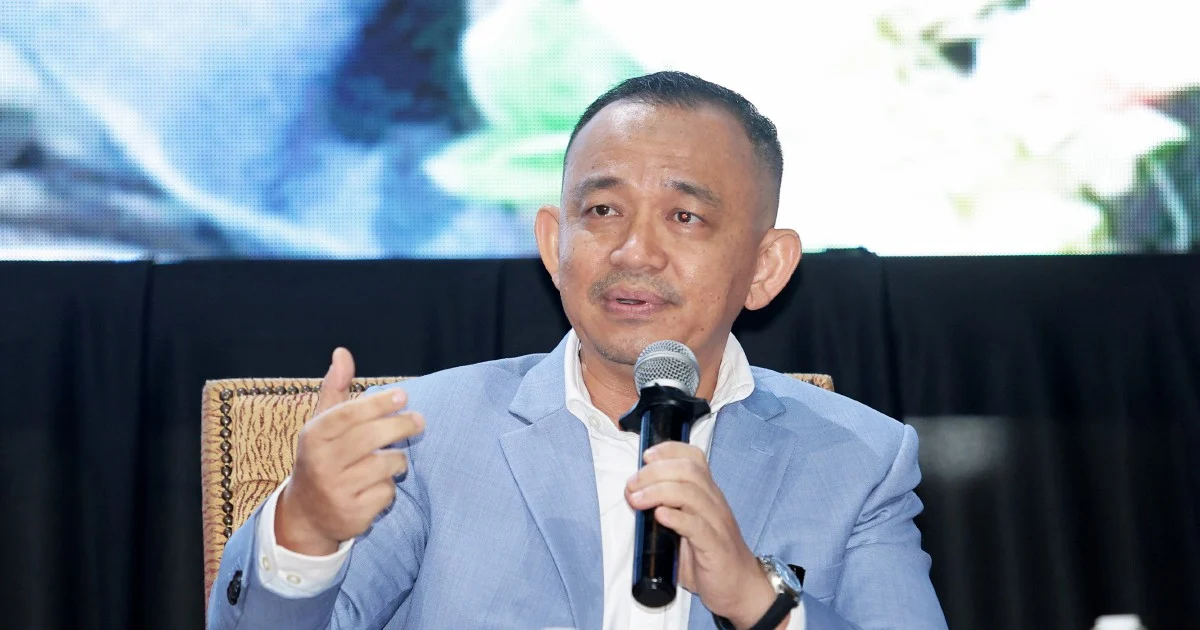
Dr Maszlee Malik, who previously held the education portfolio during his tenure in federal office, is emerging as a prominent name in discussions surrounding Keadilan's (PKR's) slate of candidates for the Johor state election. The positioning of the seasoned political figure reflects the party's broader strategy to field experienced parliamentarians in competitive constituencies across Malaysia's southern stronghold.
Maszlee's potential candidacy comes at a critical juncture for PKR, which has been working to consolidate its electoral standing across multiple fronts following recent political shifts at both state and federal levels. The party's deliberations over candidate selection processes have intensified as the election timeline draws closer, with party leadership evaluating which combinations of veteran and emerging figures offer the strongest pathway to seat gains.
As a former minister in the Pakatan Harapan administration, Maszlee brings considerable parliamentary experience and established networks within government structures. His previous portfolio overseeing education policy places him at an advantage when engaging with voters on pressing social and development issues that resonate across urban and semi-urban constituencies. His career trajectory has positioned him as a recognisable figure within the reform-minded wing of PKR's coalition partners.
Johor remains a strategically vital territory for national coalition dynamics. The state has historically served as a barometer for broader electoral trends, with its diverse demographic composition—ranging from industrial urban centres to rural agricultural communities—reflecting interests that span multiple political constituencies. PKR's performance in Johor directly influences the party's overall credibility within Pakatan Harapan and impacts the coalition's negotiating position in federal politics.
Speculation surrounding candidacy selections typically intensifies in the weeks preceding formal nomination submissions. While party leadership has not yet issued official confirmations regarding specific candidate allocations, informed political observers note that Maszlee's profile aligns with constituencies where PKR has identified potential pickup opportunities. His educational background and policy expertise may prove particularly valuable in seats where demographic composition favours candidates with demonstrated governance credentials.
The timing of such nominations carries significance beyond individual electoral contests. PKR's candidate choices reflect internal party assessments about which leaders are best positioned to address voter concerns about education quality, economic opportunity, and public service delivery—issues that consistently rank among voter priorities across Malaysian states. The party's selection process also signals its confidence in particular leaders for future roles in government formation.
Maszlee's trajectory through federal politics has included navigating complex policy debates surrounding Islamic education frameworks and secular educational modernisation—contentious issues in Malaysian politics that require considerable political dexterity. His willingness to engage with such substantive policy areas, combined with his ministerial experience, suggests he may be deployed in constituencies where nuanced policy conversations hold particular importance for voter decision-making.
The broader context of Malaysian electoral politics reveals that experienced former ministers often prove valuable candidates precisely because they retain media access, established relationships with community organisations, and credibility derived from previous governmental roles. These advantages can prove decisive in closely contested three-way contests where marginal vote shifts determine outcomes. PKR's apparent confidence in Maszlee's candidacy reflects institutional belief in these advantages.
Johor's political landscape has undergone considerable transformation in recent years, with voters increasingly willing to split their votes between state and federal elections based on localised assessments of candidate quality and party performance. This volatility creates both opportunities and risks for PKR's campaign planning. The party must balance deploying recognisable national figures against cultivating locally-rooted candidates who have invested time building grassroots networks within specific constituencies.
Official candidate announcements typically follow intensive internal negotiations within PKR and consultation discussions with coalition partners in Pakatan Harapan. These processes extend beyond individual merit assessments to encompass broader coalitional calculations about equitable seat distribution and regional representation. The emergence of Maszlee as a likely candidate therefore represents conclusion of more extensive behind-the-scenes discussions regarding his party's strategic priorities in Johor.
For Maszlee personally, a Johor candidacy would represent an opportunity to reconnect with electoral politics at state level following his federal parliamentary tenure. State elections offer different constituencies of concern compared to national politics, with voters often prioritising localised infrastructure, service delivery, and development issues that provincial governments directly influence. His previous ministerial experience in federal-level policymaking may require recalibration toward state-specific concerns during campaign engagement.
The potential nomination also reflects PKR's broader project of rebuilding political momentum following the dissolution of the Pakatan Harapan federal government and subsequent political realignments. By positioning experienced figures like Maszlee in winnable constituencies, the party aims to demonstrate stability and competent governance capacity to voters evaluating which coalition offers the most credible alternative to current federal arrangements.

%22%2F%3E%3C%2Fpattern%3E%3C%2Fdefs%3E%3Crect%20width%3D%22100%25%22%20height%3D%22100%25%22%20fill%3D%22url(%23ph21o2sg)%22%2F%3E%3Crect%20width%3D%22100%25%22%20height%3D%22100%25%22%20fill%3D%22url(%23ph21o2sp)%22%2F%3E%3Ctext%20x%3D%2250%25%22%20y%3D%2250%25%22%20text-anchor%3D%22middle%22%20dominant-baseline%3D%22central%22%20fill%3D%22rgba(255%2C255%2C255%2C0.95)%22%20font-family%3D%22Georgia%2C%20'Times%20New%20Roman'%2C%20serif%22%20font-weight%3D%22700%22%20font-size%3D%22170%22%20letter-spacing%3D%22-0.02em%22%3EGabungan%3C%2Ftext%3E%3C%2Fsvg%3E)