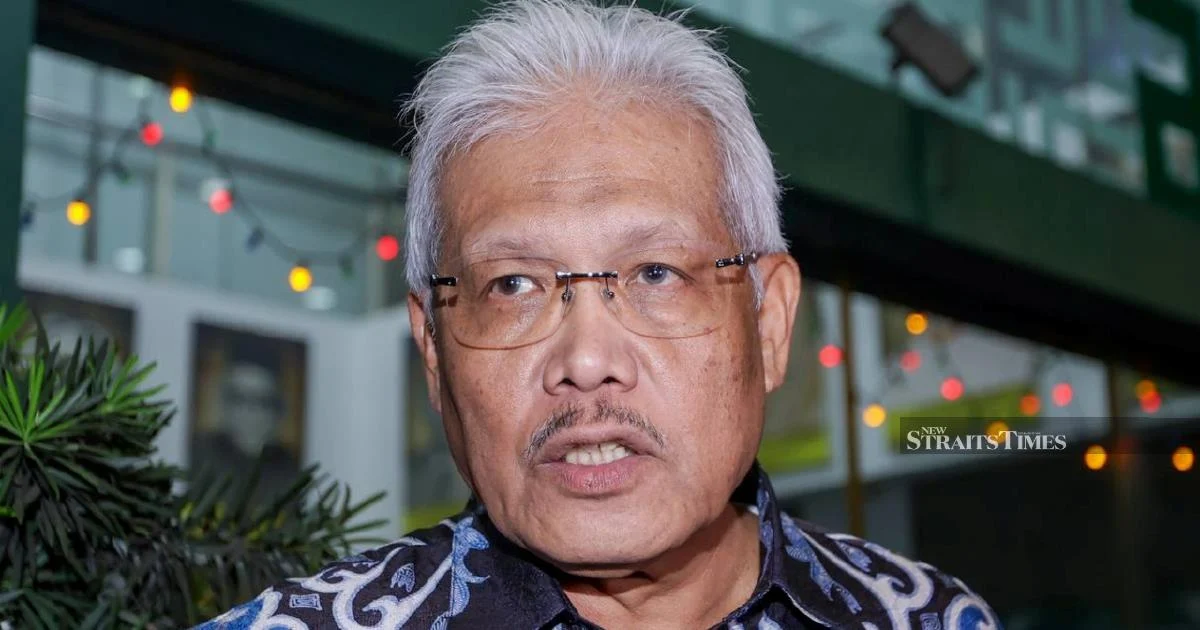
Datuk Seri Hamzah Zainudin's formal appointment as the official opposition leader will be communicated to the Speaker of the Dewan Rakyat in advance of the legislature's next scheduled session. This procedural step represents a critical juncture in Malaysia's parliamentary governance, as it formalises the leadership structure of the government's primary institutional check within Parliament.
The timing of this notification reflects established parliamentary convention in Malaysia, whereby the opposition leadership appointment requires formal lodgement with the Dewan Rakyat before taking effect in the legislative chamber. This administrative requirement ensures that the Speaker and all parliamentary members are officially apprised of the change in opposition leadership, allowing the institution to update its records and procedures accordingly. Such notifications are fundamental to maintaining the operational clarity and institutional integrity of the lower house.
Hamzah Zainudin's elevation to opposition leader carries significant implications for Malaysia's political landscape. The position itself carries constitutional weight and parliamentary privileges, including guaranteed speaking time, access to debate opportunities, and enhanced media visibility on behalf of the opposition bloc. Recognition of this role by the Dewan Rakyat Speaker provides legitimacy and structural support for the opposition's legislative activities going forward.
The formal notification process underscores how Malaysian parliamentary practice intertwines administrative procedure with political substance. Unlike systems where opposition leadership emerges informally, the Malaysian framework requires explicit institutional acknowledgement. This transparency mechanism ensures that debates, committee assignments, and other parliamentary functions can clearly identify the opposition's recognised leadership structure, reducing ambiguity about which opposition figures speak with official backing.
For Malaysian parliamentary observers, this development signals the consolidation of opposition coalition arrangements. The submission of Hamzah's appointment notice to the Dewan Rakyat demonstrates that the opposition parties have resolved their internal deliberations on leadership and reached consensus on a unified command structure. Such clarity is essential for effective legislative scrutiny of government policies and programmes across diverse policy areas including economy, healthcare, education, and national security.
The opposition leader role in Malaysia's Westminster-derived system carries responsibilities beyond symbolic recognition. The designated leader coordinates opposition strategy, leads questioning of ministers, articulates alternative policy positions, and serves as the primary opposition spokesperson on major national issues. Hamzah's formalisation in this role will shape how parliamentary debates unfold and how the opposition frames its critique of government initiatives during budget sessions and policy discussions.
From a Southeast Asian perspective, Malaysia's procedural approach to opposition leadership differs from some neighbouring democracies. While countries like Indonesia and Thailand have experienced significant political turbulence regarding opposition recognition and parliamentary prerogatives, Malaysia's institutionalised approach reflects its relatively stable constitutional framework. The advance notification system ensures that power transitions within opposition movements occur within established legal parameters rather than through political confrontation.
The notification's timing before the next parliamentary sitting serves practical purposes for parliamentary administration. The Dewan Rakyat's procedural offices, research divisions, and administrative staff require advance notice to update protocols for interactions with opposition leadership. Committee assignments, speaking schedules, and correspondence protocols all hinge on clear identification of the recognised opposition leader. This explains why the notice must arrive before rather than during the sitting.
For Malaysian political stakeholders, including business groups, civil society, and state governments, the formal recognition of opposition leadership provides predictability about parliamentary dynamics. Investors and policymakers benefit from understanding which opposition figures hold institutional standing and therefore influence legislative outcomes. This clarity supports rational political and economic planning across Malaysia's diverse states and sectors.
The submission of Hamzah's appointment notice also reflects Malaysia's broader commitment to parliamentary norms and democratic institutions. By adhering to formal procedures rather than ignoring them, political actors reaffirm the constitutional framework that undergirds the nation's system of government. Such procedural compliance, though seemingly technical, reinforces the rule of law and demonstrates that even contested political positions are resolved through established channels.
Hamzah's recognition as opposition leader positions him as the principal interlocutor between the parliamentary opposition and the government, particularly in Dewan Rakyat exchanges. His prominence in legislative debates will likely increase, and his pronouncements on policy matters will carry the institutional weight of formal opposition representation. This enhanced platform amplifies the opposition's capacity to influence public discourse on governance issues affecting all Malaysians.