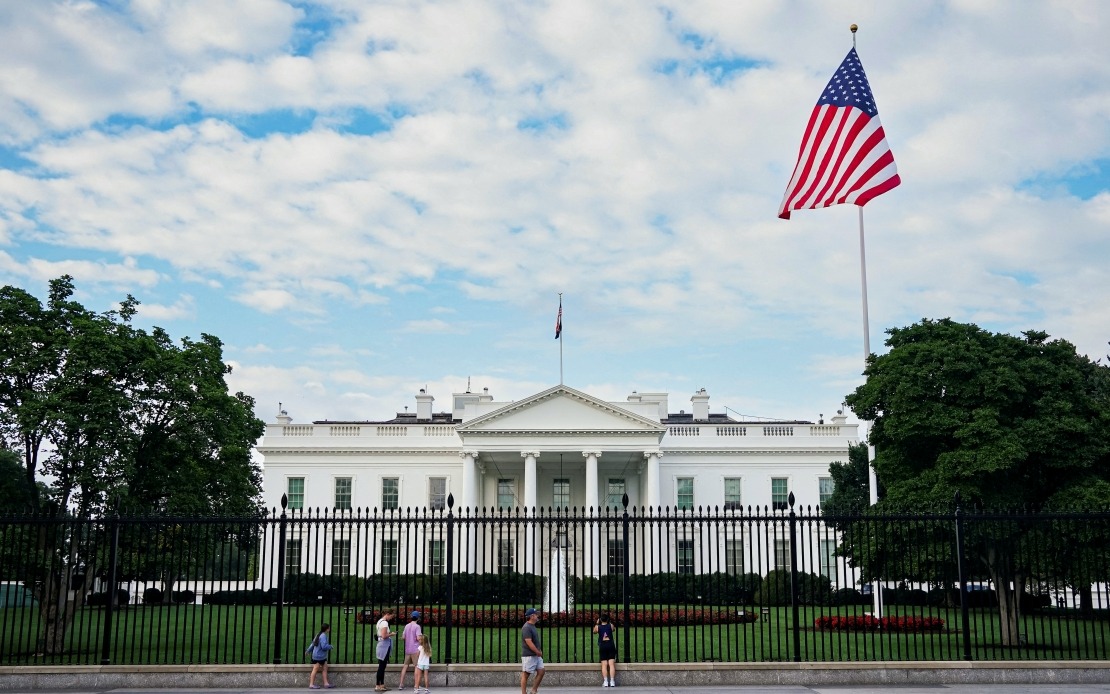
The Federal Bureau of Investigation has announced the successful disruption of an alleged coordinated attack targeting a high-profile Ultimate Fighting Championship event hosted at the White House, which took place on Sunday to commemorate President Donald Trump's 80th birthday alongside the nation's 250th anniversary celebrations. The security threat, discovered by the FBI and partner law enforcement agencies on June 10, involved individuals operating outside the Washington, D.C. metropolitan area and represents a significant national security development with implications for how authorities manage large public gatherings at sensitive government locations.
FBI Director Kash Patel disclosed the foiled plot through a statement on social media platform X, confirming that multiple individuals had been taken into custody and that potential attacks had been prevented from materialisation. The discovery marked a pivotal moment in the event's security planning, occurring just days before the scheduled gathering on the South Lawn of the presidential residence. Authorities have since identified a network of approximately 23 individuals allegedly connected to the conspiracy, indicating a scale of coordination that extended well beyond the initial group apprehended.
According to officials cited by Fox News, the alleged scheme demonstrated sophisticated operational planning. The strategy reportedly involved utilising explosive-laden unmanned drones to target buildings in proximity to the UFC venue, with the intention of triggering mass civilian evacuation. The plotters apparently anticipated that such chaos would funnel crowds toward a specific location where a pre-positioned sniper team lay in wait. This two-stage attack structure suggested a level of tactical knowledge and coordination among the perpetrators, raising questions about their backgrounds and training.
The investigation revealed evidence of planning for what authorities described as a "second wave" assault, which allegedly included an attempt to breach the White House perimeter itself. This multi-phase approach underscored the apparent seriousness of the threat assessment and the scale of resources law enforcement needed to deploy to counter it. By Monday, five individuals had been formally taken into custody, though investigators continued identifying additional network members connected to the conspiracy.
The UFC event itself proceeded as planned despite the security threats, attracting approximately 4,000 spectators to witness the unprecedented cage-fighting spectacle on the presidential grounds. The decision to proceed reflected confidence from security services in their ability to neutralise the identified threats while maintaining event operations. However, the event had faced legal obstacles before taking place, with two Virginia residents challenging its lawfulness in federal court. The U.S. District Court for the District of Columbia rejected their motion to block the gathering on Friday, clearing the way for preparations to continue.
For Malaysian observers and regional security analysts, this incident underscores the evolving nature of security challenges facing major public events and government facilities worldwide. The coordination required to mount such an operation across multiple jurisdictions and among numerous plotters reflects patterns increasingly seen in transnational security threats. The incident also demonstrates the critical importance of intelligence-sharing mechanisms between federal, state, and local law enforcement agencies—a lesson relevant to Southeast Asian security establishments managing their own counterterrorism and event protection protocols.
The foiled attack cannot be viewed in isolation but rather as part of a broader escalation in political violence within the United States. In April, just weeks prior to the UFC event, a man armed with guns and knives breached security at the White House Correspondents' Dinner and faced charges related to an alleged assassination attempt on the president. These consecutive incidents suggest a volatile security environment surrounding high-profile political gatherings and presidential activities, creating operational and intelligence challenges for protective services.
The successful interdiction of this plot likely relied on sophisticated intelligence gathering, possibly including electronic surveillance, human intelligence sources, and information-sharing protocols among federal agencies. The ability to identify and apprehend multiple suspects before they could execute their plan required coordination and real-time decision-making at the highest levels of law enforcement. Malaysian security officials monitoring international best practices would find instructive lessons in how the FBI and partner agencies managed this intelligence-to-action cycle under time pressure.
The incident also raises questions about the broader recruitment and radicalisation pathways that led 23 individuals to become allegedly involved in such a conspiracy. Understanding these pathways—whether ideological, conspiratorial, or driven by other motivations—remains essential for preventive security strategies. Regional governments in Southeast Asia, which have contended with various domestic security threats, would recognise the challenge of identifying and intervening with individuals moving through radicalisation pipelines before they reach operational stages.
Looking forward, this foiled plot will likely influence how U.S. authorities approach security planning for future high-profile events at sensitive government locations. The apparent sophistication of the alleged plan, combining drone technology with conventional sniper positioning, suggests that security planners must remain ahead of evolving tactical methodologies employed by potential adversaries. These considerations extend to international security cooperation frameworks where Southeast Asian nations participate, particularly regarding critical infrastructure protection and large-scale event management.
The immediate operational success achieved by law enforcement in preventing this attack demonstrates that intelligence-driven prevention strategies remain viable and effective against coordinated threats. However, the identification of 23 network members suggests ongoing investigative work lies ahead to fully understand the scope, financing, and command structure of the alleged conspiracy. These investigations may yield intelligence relevant to broader threat assessments affecting the region, particularly regarding transnational extremist or conspiratorial networks.

%22%2F%3E%3C%2Fpattern%3E%3C%2Fdefs%3E%3Crect%20width%3D%22100%25%22%20height%3D%22100%25%22%20fill%3D%22url(%23ph21o2sg)%22%2F%3E%3Crect%20width%3D%22100%25%22%20height%3D%22100%25%22%20fill%3D%22url(%23ph21o2sp)%22%2F%3E%3Ctext%20x%3D%2250%25%22%20y%3D%2250%25%22%20text-anchor%3D%22middle%22%20dominant-baseline%3D%22central%22%20fill%3D%22rgba(255%2C255%2C255%2C0.95)%22%20font-family%3D%22Georgia%2C%20'Times%20New%20Roman'%2C%20serif%22%20font-weight%3D%22700%22%20font-size%3D%22170%22%20letter-spacing%3D%22-0.02em%22%3EGabungan%3C%2Ftext%3E%3C%2Fsvg%3E)