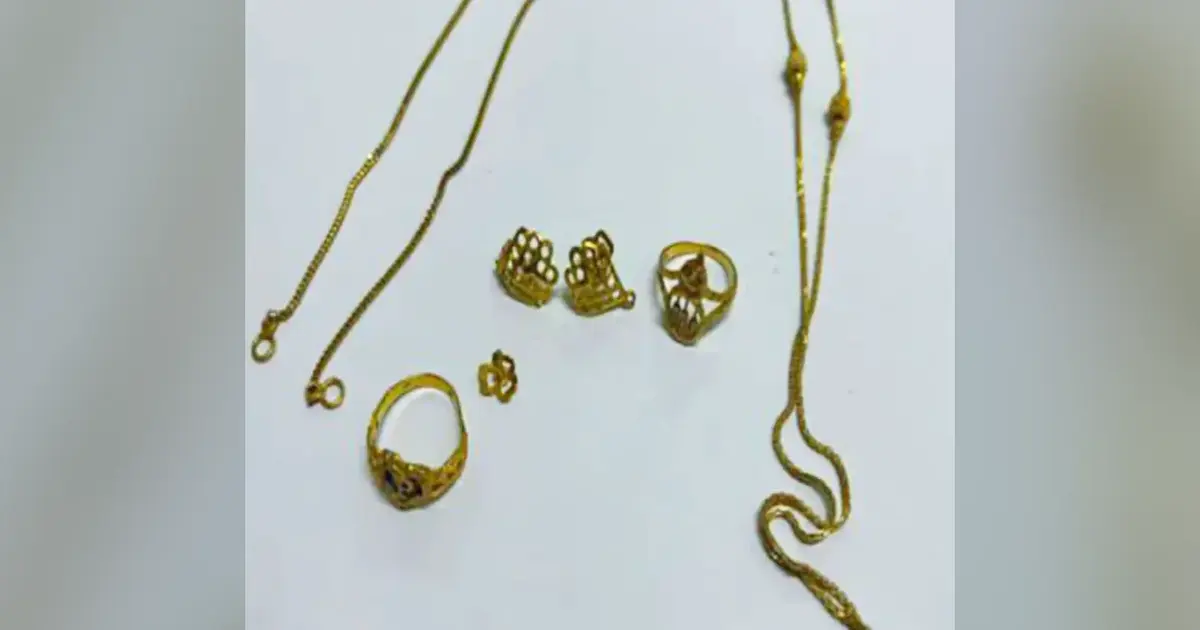
Police have arrested a woman and her two adult children in connection with a scheme that defrauded an elderly woman of RM8,000 in jewellery by exploiting her trust in government welfare programmes. The recovered jewellery, which had been sold to a pawnshop, was retrieved as part of the investigation into the case.
The incident highlights a growing concern among Malaysian law enforcement agencies regarding fraud targeting vulnerable elderly populations. Scammers operating such schemes typically impersonate social welfare officers or government representatives, leveraging the legitimacy of established assistance programmes to gain access to victims' homes and personal possessions. This particular case demonstrates how perpetrators may spend considerable time building trust before executing their theft.
The elderly victim, like many senior Malaysians living on fixed incomes or limited savings, likely felt reassured by what appeared to be official contact regarding welfare benefits. Scammers exploiting this vulnerability often conduct preliminary visits ostensibly to assess eligibility for assistance programmes, during which they observe valuables in the home. Subsequent visits are carefully orchestrated to create opportunities for theft while maintaining the facade of legitimate government business.
The decision to pawn the stolen jewellery rather than sell it outright suggests the perpetrators sought quick access to cash while potentially hoping to retrieve the items if circumstances changed. Pawnshops, which serve a legitimate financial function in Malaysian communities, inadvertently become recovery points for stolen goods in fraud investigations. Police cooperation with pawn operators has become increasingly important in tracking and recovering items from such schemes.
This case carries particular significance for Malaysia's growing elderly population, which has become an increasingly targeted demographic for various fraud schemes. The combination of factors—fixed incomes, desire to access available government support, and traditional trust in official authority—creates conditions that scammers actively exploit. Family members perpetrating such crimes represent a particularly disturbing dimension, as they exploit familial networks and social connections to extend the reach of their operation.
The involvement of multiple adult children in the scheme suggests a coordinated criminal enterprise rather than an opportunistic theft. Division of labour among perpetrators—such as reconnaissance, impersonation, and liquidation of stolen goods—indicates a level of planning and premeditation typical of organized fraud operations targeting the elderly. This structure also complicates victim reporting and investigation, as victims may struggle to identify which family member bears primary responsibility.
Malaysian police have increasingly prioritized investigations into elder fraud, recognizing both the vulnerability of this population and the psychological impact such crimes cause. Beyond financial loss, victims often experience profound betrayal when they discover they have been deliberately manipulated by individuals they trusted. Recovery from such incidents frequently extends beyond material compensation to address emotional trauma and diminished confidence in seeking legitimate government assistance.
The recovery of the jewellery from the pawnshop, while welcome, comes after the victim has already endured significant loss and distress. The jewellery may hold sentimental value extending far beyond its monetary worth, particularly if passed down through family generations or acquired during important life moments. Even when items are physically recovered, the violation of trust and security remains.
Beyond this individual case, the incident underscores the need for broader public awareness campaigns educating elderly Malaysians about verification procedures for genuine government welfare officers. Legitimate welfare representatives carry proper identification and conduct official business through established channels; unsolicited home visits for benefit assessments are uncommon. Community education initiatives, potentially delivered through neighbourhood associations, religious organizations, and senior citizen groups, could significantly reduce vulnerability to such schemes.
Family members and caregivers of elderly Malaysians bear responsibility for monitoring potential warning signs—unexpected visits from unfamiliar individuals claiming official status, requests for valuables under various pretexts, or sudden gaps in jewelry collections. Encouraging elderly relatives to verify any welfare-related contacts directly with official agencies represents a straightforward protective measure.
The arrest of the perpetrators provides some measure of justice and deterrence, though prosecution and conviction processes require time. Criminal proceedings in Malaysia involving fraud typically involve substantial documentary evidence and witness testimony, making these cases resource-intensive for police and the courts. Successful prosecution demonstrates official commitment to protecting vulnerable populations and may discourage similar operations.
For the broader Southeast Asian context, elder fraud schemes transcend national boundaries, with perpetrators sometimes operating across multiple countries and exploiting diaspora networks. Malaysia's approach to investigation and prosecution of such cases may provide instructive lessons for neighbouring nations facing similar challenges with their ageing populations.

